

 English
 عربى
عربى Español
Materials & Manufacturing
The Core Difference: Foam Trays Use Air-Filled Polymer, While PET, PP, and CPET Are Solid Plastics With Different Molecular Structures
The direct answer is that polystyrene foam trays are made from expanded polystyrene beads containing roughly 95% air, while PET, PP, and CPET are solid, dense plastics distinguished primarily by their molecular structure and heat tolerance. Polystyrene (PS) foam is a lightweight, insulating material formed by expanding polystyrene resin with gas, creating a cellular structure. PET (polyethylene terephthalate) is a rigid, transparent polyester valued for clarity and cold-temperature strength. PP (polypropylene) is a semi-crystalline plastic known for heat resistance and flexibility. CPET (crystallized polyethylene terephthalate) is a heat-treated version of PET engineered specifically to survive oven temperatures.
Each material's chemical composition directly determines what kind of food packaging it is suited for — from cold desserts on disposable serving trays to oven-ready meals that require sustained high heat. Understanding these compositional differences helps buyers select the right material for the right application instead of assuming all "plastic trays" behave the same way.
Polystyrene (Foam): An Expanded, Air-Filled Polymer
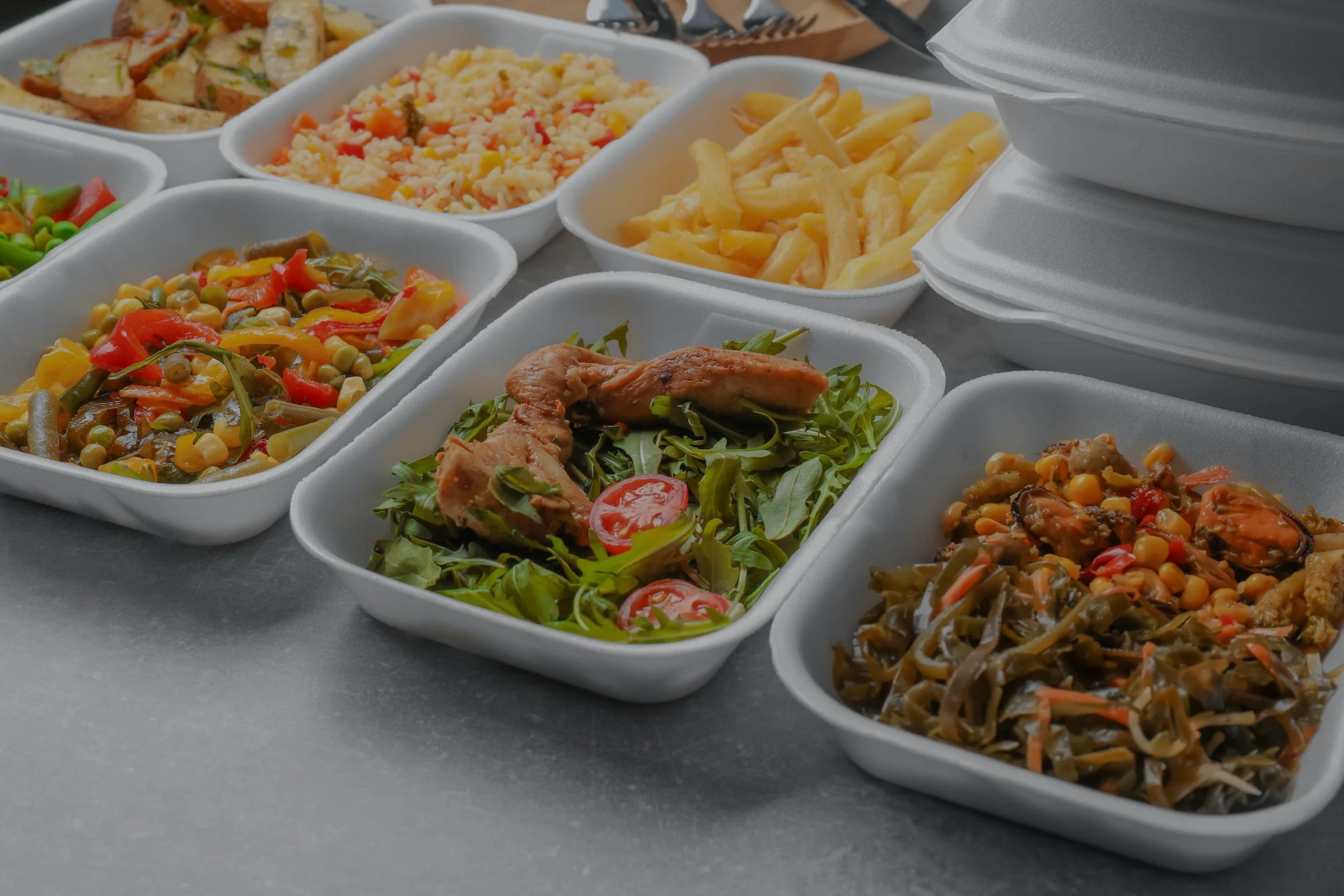
Polystyrene foam trays begin as small polystyrene resin beads, which are expanded using a blowing agent, typically pentane gas, and then molded under heat and pressure. The result is a material composed of up to 95% trapped air, with the remaining structure made up of a network of thin polystyrene cell walls. This cellular composition is what gives foam trays their signature lightweight feel and excellent insulating properties.
Chemical Structure
Polystyrene itself is an aromatic hydrocarbon polymer built from repeating styrene monomer units. Unlike PET, PP, or CPET, polystyrene is amorphous rather than crystalline, meaning its molecular chains are arranged randomly rather than in ordered patterns. This amorphous structure makes polystyrene relatively brittle and prone to cracking under stress, which is why foam trays are typically used for single-use, low-impact applications rather than repeated handling.
Thermal Limitations
Because of its low melting point, generally around 240°F (116°C), polystyrene foam is not suitable for oven use and can warp or melt when exposed to hot oils or direct heat. It performs well for cold or room-temperature foods and short-term insulation, such as keeping cold cuts chilled or holding takeout items during transport.
PET: A Dense, Transparent Polyester
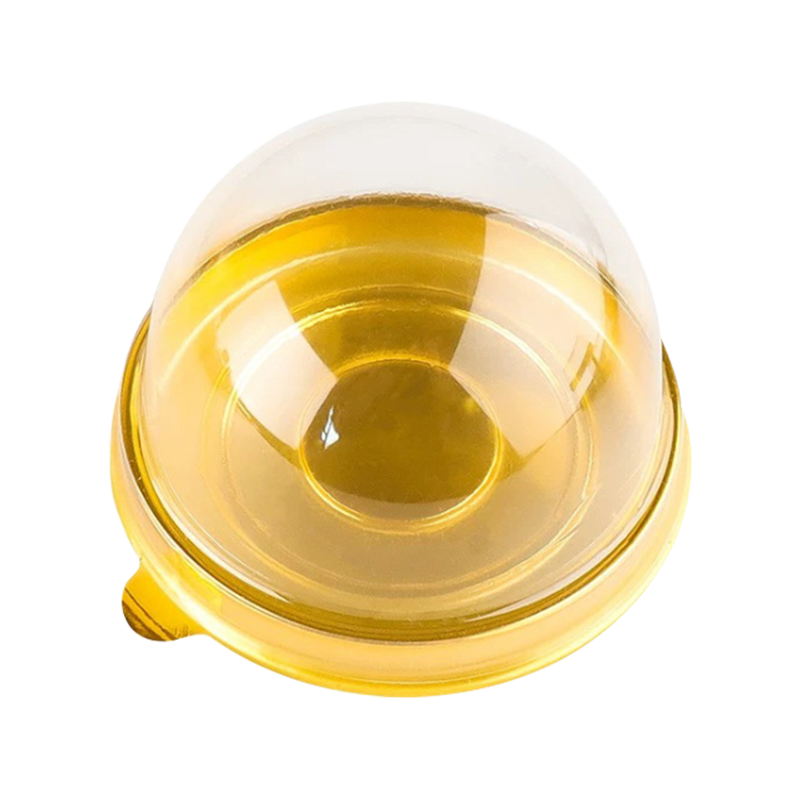
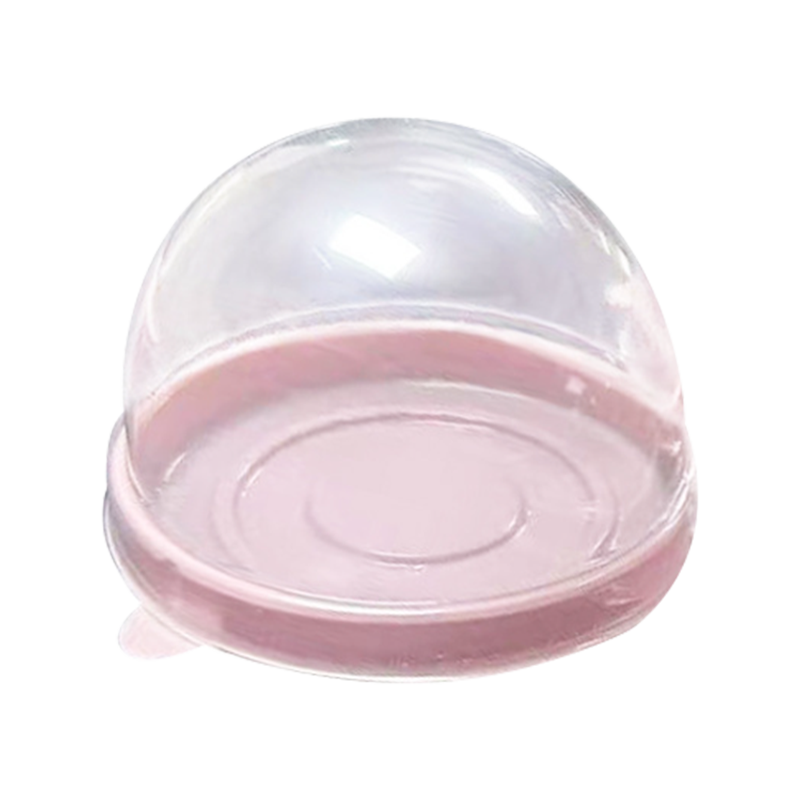
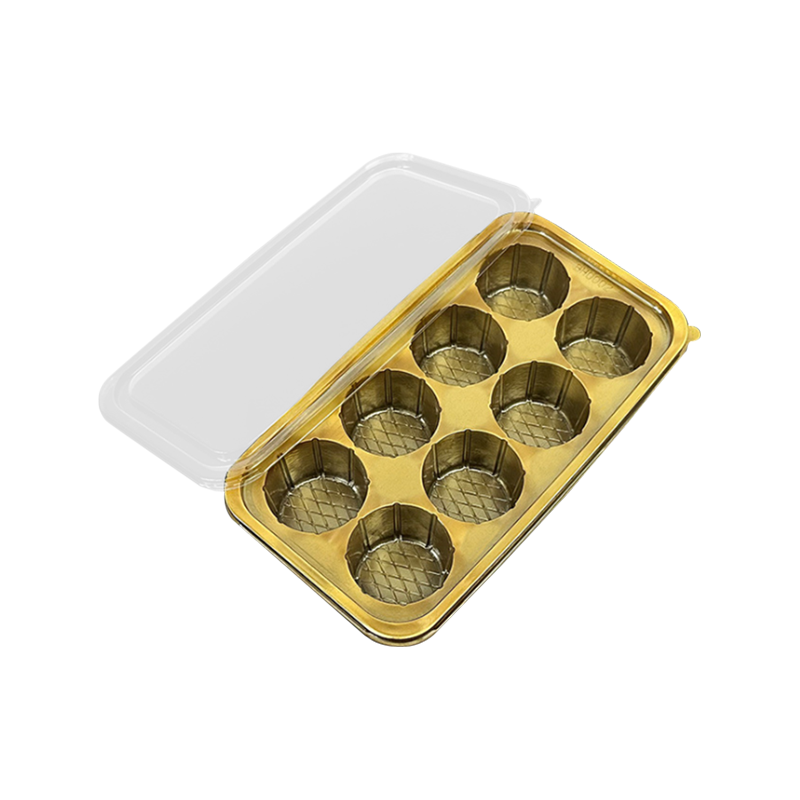
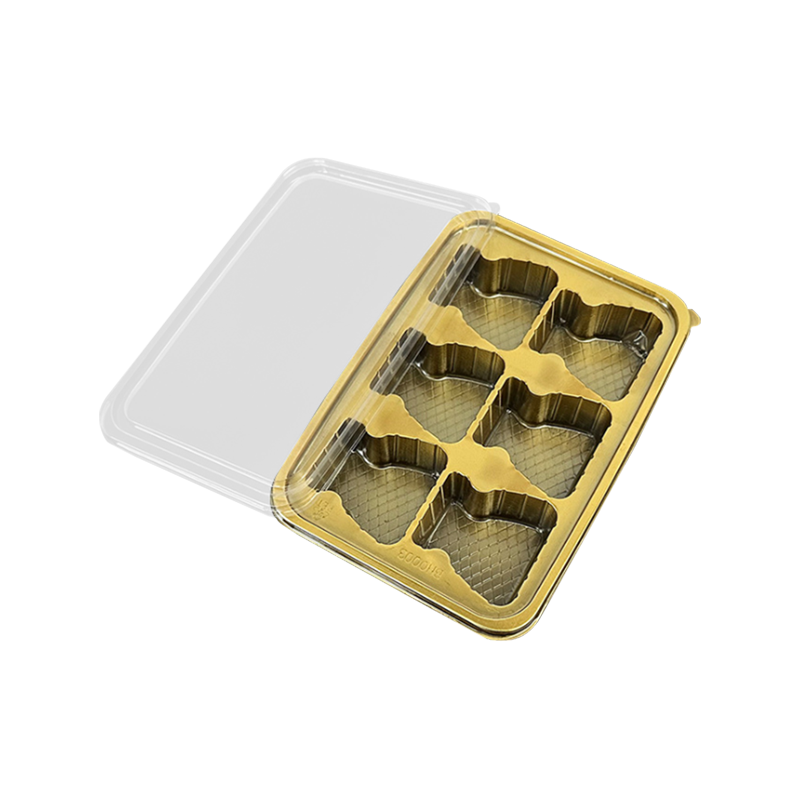
PET, or polyethylene terephthalate, is produced through a polymerization reaction between purified terephthalic acid (or dimethyl terephthalate) and ethylene glycol. Unlike foam, PET is a solid, non-porous plastic with a smooth, glass-like clarity that makes it especially popular for trays where visual presentation matters, such as bakery displays or disposable cupcake trays designed to showcase the product through the packaging.
PET's transparency is not a coating or an additive — it is a direct structural consequence of its amorphous molecular arrangement.
Molecular Composition
PET's polyester backbone consists of repeating ester linkages that give the material both strength and rigidity while remaining lightweight. In its standard (non-crystallized) form, PET is amorphous, which is what allows it to remain transparent. This transparency is a direct result of its molecular composition rather than any added colorant or coating.
disposable cupcake trays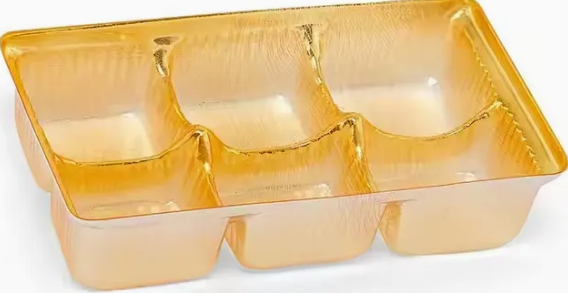
Performance Characteristics
Standard PET trays tolerate cold and freezer temperatures very well, often down to -40°F (-40°C), but they are not designed for oven use. Their heat resistance tops out around 160–170°F (70–77°C) before the material begins to soften and distort. This makes standard PET ideal for refrigerated or frozen foods, cold salads, and bakery items that never require reheating in the tray itself.
PP: A Flexible, Heat-Tolerant Plastic
Polypropylene is formed by polymerizing propylene gas molecules into long, semi-crystalline chains. Its composition sits between the rigidity of PET and the softness of low-density plastics, giving PP trays a distinctive combination of flexibility, durability, and moderate heat resistance.
Semi-Crystalline Structure
Unlike the fully amorphous structure of standard PET or polystyrene, PP molecules partially align into crystalline regions during cooling. This partial crystallinity is what gives polypropylene its characteristic slight flexibility and resistance to stress cracking, allowing PP trays to bend without snapping the way a brittle polystyrene tray might.
Heat and Chemical Resistance
PP has a melting point around 320°F (160°C), which allows it to safely withstand microwave reheating, unlike polystyrene or standard PET. It also resists oils, acids, and many food-based chemicals better than other common tray plastics, making it a practical choice for microwavable meal trays, condiment holders, and reusable disposable serving trays intended for repeated short-term use.
Info
PP is the only one of the four materials broadly considered safe for direct microwave reheating without deforming.
CPET: A Heat-Treated Version of PET Built for the Oven
CPET is chemically similar to standard PET, but it undergoes an additional crystallization process during manufacturing. Instead of cooling quickly into an amorphous, transparent state, CPET is allowed to cool slowly, forming ordered crystalline regions throughout the polymer. This structural transformation is the single biggest compositional difference between PET and CPET.
Why Crystallization Matters
The crystalline structure dramatically raises CPET's heat tolerance compared to amorphous PET. While standard PET softens around 160–170°F, CPET can withstand oven and broiler temperatures up to roughly 400°F (204°C) without melting or deforming. This is why CPET trays are the standard choice for frozen ready-meals designed to go directly from the freezer into a conventional oven.
Appearance and Use
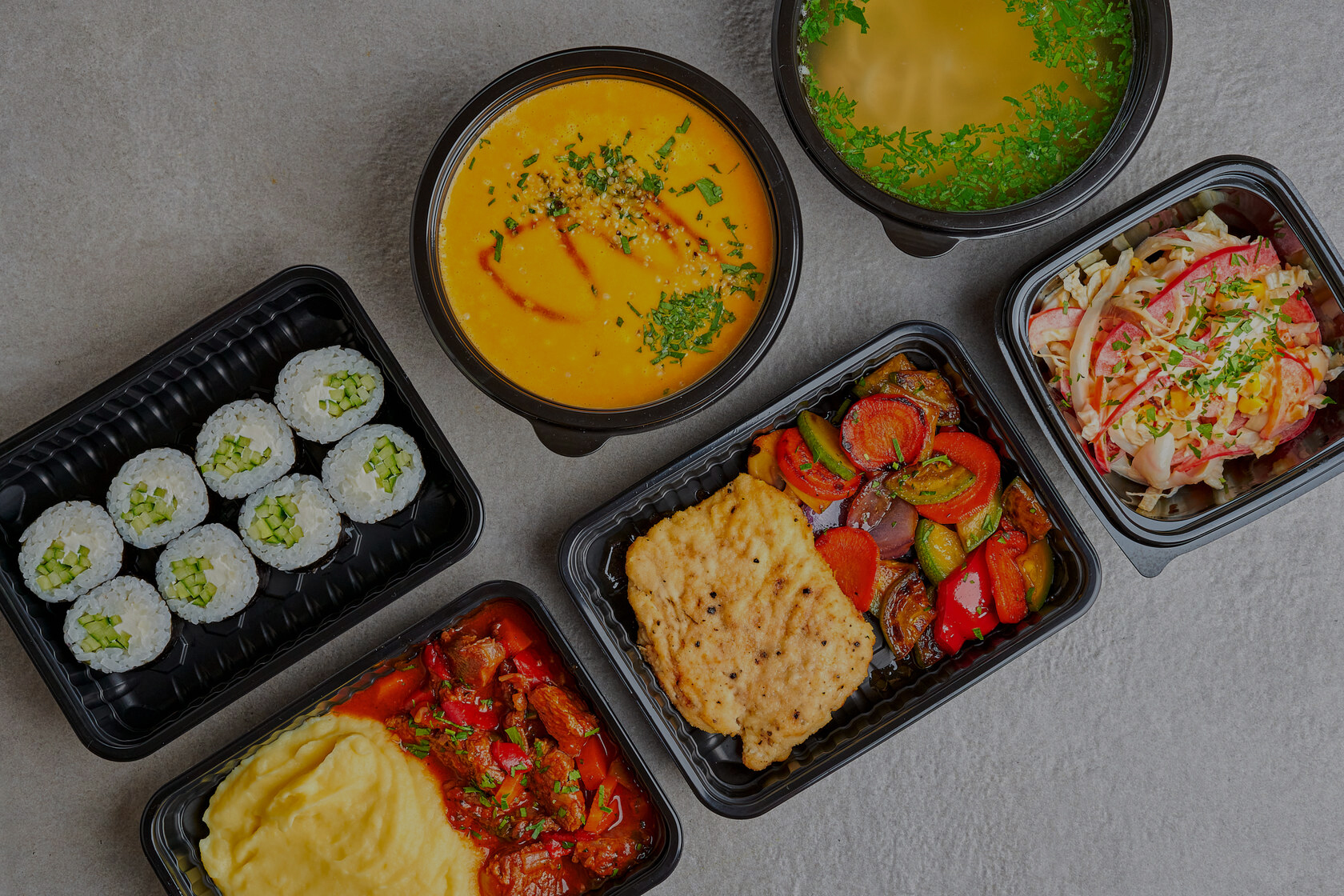
Because of its crystalline structure, CPET is typically opaque, most commonly produced in black or dark colors rather than transparent like standard PET. This opacity is a direct consequence of the crystallization process scattering light within the material, not an added pigment layer.
Warning
Never assume a black plastic tray is oven-safe by color alone — always confirm CPET labeling before placing a tray in an oven or broiler.
Side-by-Side Composition Comparison
The table below summarizes the key compositional and performance differences among the four materials.
| Material | Base Composition | Structure | Max Heat Tolerance | Typical Appearance |
|---|---|---|---|---|
| Polystyrene (Foam) | Expanded styrene beads, ~95% air | Amorphous, cellular | ~240°F (116°C) | White, opaque |
| PET | Polyester (terephthalic acid + ethylene glycol) | Amorphous | ~160–170°F (70–77°C) | Clear, transparent |
| PP | Polymerized propylene | Semi-crystalline | ~320°F (160°C) | Translucent to opaque |
| CPET | Crystallized polyester (heat-treated PET) | Crystalline | ~400°F (204°C) | Opaque, often black |
How Composition Determines the Right Application
Because each material's molecular structure dictates its heat tolerance, clarity, and flexibility, the right choice depends heavily on how the tray will be used.
- Polystyrene foam works well for cold sandwiches, produce, or short-term insulated transport, but should never go in an oven or microwave.
- PET is a strong choice for bakery items and cold displays, including disposable cupcake trays, where its transparency highlights the product without any reheating requirement.
- PP suits foods that need microwave reheating, such as prepared meals, side dishes, or condiments served on flexible, reusable disposable serving trays.
- CPET is the appropriate choice for frozen entrées or dishes that must move directly from the freezer to a conventional oven at high temperatures.
Identifying Materials Before Purchase or Use
Because composition is not always obvious from appearance alone, checking the resin identification code stamped on the tray is the most reliable way to confirm what material you're working with. Polystyrene is typically labeled with resin code 6, PET with code 1, and PP with code 5. CPET trays are often unlabeled or marked as "oven-safe" directly on the packaging, since the crystallization process distinguishes them functionally from standard PET even though both share the same base polymer family.
- Check the resin code or oven-safe labeling printed on the tray or its packaging.
- Avoid placing any foam or standard PET tray directly into an oven or broiler.
- Reserve PP trays for microwave reheating rather than high-heat conventional ovens.
- Use CPET specifically for frozen, oven-ready meals that require sustained high temperatures.
Danger
Placing a standard PET or polystyrene foam tray in a hot oven can cause melting, warping, and potential material transfer into food.
Choosing the Right Material for Your Application
In summary, the difference between these four materials comes down to how their molecules are arranged and processed. Polystyrene foam relies on trapped air within a brittle, amorphous polymer network, making it lightweight but heat-sensitive. PET is a dense, amorphous polyester valued for clarity and cold-temperature performance. PP's semi-crystalline structure gives it flexibility and moderate heat resistance suitable for microwave use. CPET takes the same base chemistry as PET but crystallizes it into a heat-stable form capable of withstanding full oven temperatures.
Matching the tray material to its intended use — whether that's a chilled bakery display, a microwavable meal, or a full oven-ready dish — ensures both food safety and structural performance. Understanding these compositional differences allows buyers to move beyond guesswork and select packaging that genuinely fits the temperature and handling demands of their product.
Success
Selecting the correct tray material for each food application improves safety, presentation, and overall product performance.