

 English
 عربى
عربى Español
Sustainability & Packaging
Aluminum Trays Are the Most Recyclable, Plastic and Foam Lag Behind
The direct answer is that aluminum food trays are significantly more recyclable than plastic or foam trays, both in terms of infrastructure availability and material recovery rates. Aluminum can be recycled indefinitely without losing quality, and industry data shows that roughly 75% of all aluminum ever produced is still in use today because of how efficiently it can be reprocessed. In contrast, most plastic used in a disposable food tray or a disposable plastic plate is recycled only once or twice before the polymer degrades too much for further use, and polystyrene foam trays are rarely accepted by curbside recycling programs at all.
For a household or a foodservice business trying to make an environmentally responsible choice, this distinction matters. Aluminum trays not only recycle more completely, they also recycle using far less energy than producing new aluminum from raw bauxite ore — recycling aluminum requires about 95% less energy than primary production. Understanding these differences helps consumers and buyers choose packaging that aligns with genuine sustainability goals rather than marketing claims.
Why Aluminum Recycles So Efficiently
Aluminum is a metal, which means it can be melted down and reformed repeatedly without any meaningful loss of structural integrity. This is fundamentally different from plastic, where each recycling cycle shortens the polymer chains and weakens the material, a process known as "downcycling." A single aluminum tray collected today could theoretically be part of a car part, a beverage can, or another food tray within just 60 days of being recycled, since the metal reprocessing cycle is remarkably fast.
Established Collection Infrastructure
Municipal recycling programs almost universally accept aluminum because scrap metal has real commodity value on secondary markets. Recycling facilities use magnets and eddy current separators to pull aluminum out of the waste stream automatically, making it one of the easiest materials to sort mechanically. This is a major advantage over a disposable food tray made of plastic, which often requires manual sorting by resin type and is frequently rejected if contaminated with food residue.
Value Retention Drives Recycling Rates
Because scrap aluminum retains high resale value, private recyclers actively seek it out, even in regions without robust municipal programs. Plastic and foam, by comparison, often cost more to collect, clean, and process than the recycled material is worth, which discourages investment in recycling infrastructure for these materials.
Recycling Rate Comparison by Material
The table below summarizes typical recycling outcomes for the three most common disposable tray materials. These figures are drawn from general industry recycling data and may vary by region and local infrastructure.
| Material | Approx. Recycling Rate | Curbside Acceptance | Recycling Cycles Possible |
|---|---|---|---|
| Aluminum | 50–70% | Widely accepted | Infinite |
| PET/PP Plastic | 8–20% | Varies widely by region | 1–2 times |
| Polystyrene Foam | Under 5% | Rarely accepted | Limited / none |
As the data shows, the gap between aluminum and the other two materials is substantial. Even a well-labeled disposable plastic plate stamped with a recycling symbol may not actually get recycled in practice, since acceptance depends heavily on local facility capabilities.
Why Plastic Trays Face Recycling Challenges
Plastic trays are typically made from PET, PP, or CPET, and while these are technically recyclable plastics, real-world recovery rates are much lower than most consumers assume. Several structural issues limit how much plastic actually gets reprocessed into new products.
Resin Sorting Complexity
Unlike metal, plastic cannot be separated using magnets. Facilities rely on optical sorters or manual labor to distinguish resin types, and a mislabeled or unlabeled tray often ends up in landfill regardless of its actual recyclability. Black plastic trays are a particular problem, since many optical sorting systems cannot detect dark-colored plastics at all.
A greasy or sauce-covered tray is frequently rejected at material recovery facilities long before anyone checks whether the plastic itself was recyclable.
Food Contamination
A greasy or sauce-covered disposable food tray is frequently rejected at material recovery facilities because residual food oils contaminate the plastic bale, reducing its resale value or making it unusable. Consumers rarely rinse trays before disposal, which means a large share of plastic trays are diverted to landfill even when the material itself is technically recyclable.
disposable plastic plate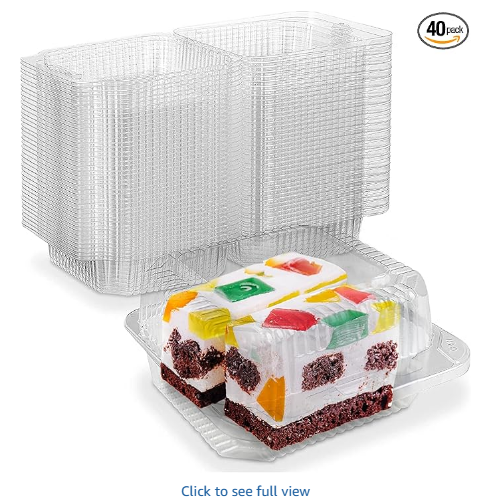
Downcycling Limits
Even when successfully recycled, plastic trays are usually downcycled into lower-grade products like carpet fiber or plastic lumber rather than new food-grade trays, since reprocessed plastic rarely meets food-contact safety standards a second time.
Why Foam Trays Are the Hardest to Recycle
Expanded polystyrene (EPS) foam trays present the most significant recycling obstacles of the three materials. Foam is roughly 95% air by volume, which makes it extremely inefficient and costly to transport to specialized recycling facilities. Very few municipalities operate the densification equipment required to compact foam for processing, and most curbside programs exclude it entirely.
- Low density makes collection and transport uneconomical for most recyclers.
- Food residue is difficult to remove from the porous foam surface.
- Specialized densifying machines are needed, which most facilities lack.
- Several cities and states have banned foam foodservice packaging outright rather than relying on recycling.
Warning
Foam trays should not be placed in standard curbside recycling bins unless your local program has explicitly confirmed acceptance — doing so can contaminate an entire recycling batch.
As a result, an increasing number of jurisdictions have moved to ban polystyrene foam trays altogether, pushing foodservice operators toward aluminum, fiber, or recyclable plastic alternatives instead.
Practical Steps to Improve Recyclability at Home
Whether you are handling an aluminum tray, a plastic tray, or a disposable plastic plate, small habits at the point of disposal can meaningfully improve the odds that the item is actually recycled rather than landfilled.
- Scrape off and rinse food residue before placing trays in the recycling bin.
- Check the resin identification code on plastic trays and confirm local acceptance before recycling.
- Flatten or nest aluminum trays to save space and improve collection efficiency.
- Avoid placing foam trays in curbside bins unless your municipality specifically confirms it accepts them.
- Choose aluminum or fiber-based trays over foam when purchasing disposable food packaging for events or takeout.
Info
These steps apply equally to individual consumers reheating leftovers and to caterers or restaurants purchasing bulk disposable trays for service.
Environmental Impact Beyond Recycling Rates
Recyclability is only one part of the environmental picture. Aluminum production is energy-intensive when made from raw ore, but because recycled aluminum requires so much less energy, the material's overall lifecycle footprint improves dramatically with each recycling cycle. Plastic production from virgin petroleum feedstock also carries a heavy carbon footprint, and because plastic degrades with each reuse, the environmental savings from recycling are smaller and shorter-lived than with metal.
Foam trays, meanwhile, are often criticized less for what happens during production and more for what happens after disposal — since so little foam actually gets recycled, the overwhelming majority ends up in landfills or, worse, as persistent litter that breaks into microplastic fragments over time. A disposable food tray made of foam can take hundreds of years to break down, and even then it does not fully biodegrade.
Danger
Foam packaging left in the environment does not biodegrade — it fragments into microplastics that persist indefinitely in soil and waterways.
For buyers weighing cost against sustainability, it is worth noting that aluminum trays typically cost more upfront than plastic or foam options, but their near-total recyclability and reusability in some cases can offset that cost for environmentally conscious businesses and consumers over time.
Choosing the Right Tray for Your Needs
If recyclability is the top priority, aluminum is the clear winner among the three common materials. It recycles efficiently, retains commodity value, and is accepted almost everywhere. If a plastic tray or a disposable plastic plate is necessary for a specific use case — such as microwave reheating or cold storage — choosing PET or PP over foam, and rinsing the item before disposal, will meaningfully improve the odds it gets recycled. Foam should generally be avoided when a more recyclable alternative is available, given how rarely it is accepted by recycling programs.
Success
Choosing aluminum trays whenever practical is one of the simplest, highest-impact packaging decisions a household or business can make.
Final Takeaway
Ultimately, the best packaging choice depends on balancing performance needs — heat resistance, insulation, cost — against the realistic recycling infrastructure available in your area. Understanding these material differences allows consumers and foodservice buyers to make more informed, sustainable purchasing decisions.