


 English
 عربى
عربى Español
What are the different types of plastic boxes available on the market today?
Materials & Storage
A field guide to plastic boxes — what separates a stackable warehouse bin from a cake container, and why the difference matters more than most buyers realize.
Plastic boxes on the market today fall into several core categories based on structure, material, and intended use: stackable boxes, nestable boxes, hinged-lid boxes, collapsible boxes, clear storage boxes, heavy-duty industrial boxes, antistatic boxes, and food-grade boxes such as a plastic food container or cake container plastic used specifically for perishable goods. Each type is engineered around a different combination of load capacity, transparency, sealing performance, and space efficiency. Choosing the right one comes down to matching the box's structural design to the environment it will operate in, whether that is a home pantry, a warehouse shelf, or a refrigerated display case.
The remainder of this article breaks down each category in detail, compares their practical differences, and outlines the situations where one type consistently outperforms another.
Stackable Plastic Boxes
Stackable plastic boxes are designed with reinforced side walls and interlocking rims that let one box sit securely on top of another without shifting or crushing the contents below. This design is common in warehouses and retail stockrooms, where vertical space is limited and floor footprint needs to stay small. A typical stackable box can support several times its own weight when loaded and stacked, which makes it a practical choice for bulk storage of tools, packaged goods, or spare parts.
Plastic boxes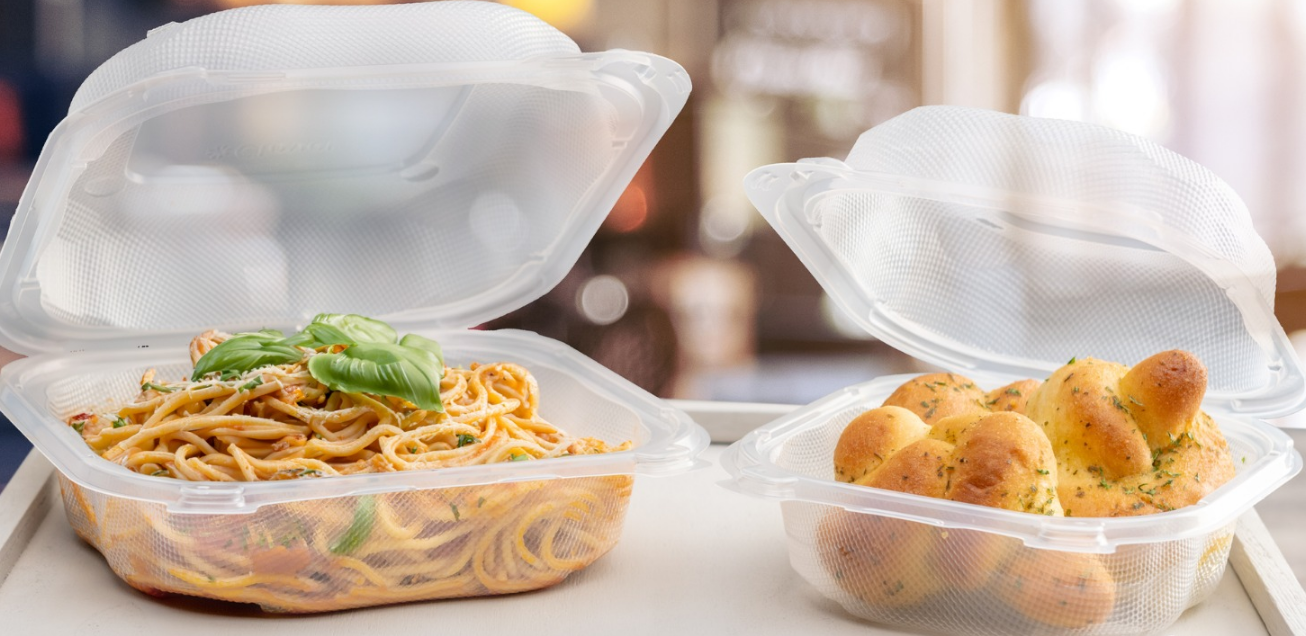
Where Stackable Boxes Work Best
Stackable boxes are most effective in fixed storage environments where the boxes are rarely moved once placed. Because the interlocking feature relies on precise alignment, this type is less convenient for frequent access, but it excels at maximizing vertical storage density in a garage, stockroom, or storage unit.
Nestable Plastic Boxes
Nestable plastic boxes are the opposite of stackable ones in one key respect: when empty, they collapse into each other to save space, tapering slightly so smaller boxes fit inside larger ones. This design is popular for seasonal storage, moving supplies, or retail environments where empty boxes need to be stored compactly between uses. The tradeoff is that nestable boxes generally cannot be stacked securely once filled, since their tapered walls are not designed to interlock under load.
Nestable vs Stackable at a Glance
The choice between the two often depends on whether storage space or load-bearing capacity matters more. If boxes will be full most of the time, stackable designs are more efficient. If boxes are frequently emptied and stored away, nestable designs save considerably more room.
Hinged-Lid Plastic Boxes
Hinged-lid plastic boxes attach the lid directly to the box body, eliminating the need to set a separate lid aside during access. This design reduces the chance of losing or mismatching lids, which is a common frustration with separate-lid boxes used in busy environments. Hinged-lid boxes are widely used for organizing small parts, tools, and hardware because the lid can be opened and closed repeatedly without wearing down the seal.
The main limitation is that hinged-lid boxes are usually not stackable when open, and the hinge itself can become a weak point under repeated heavy use, so they are better suited to lighter loads and frequent-access storage rather than long-term heavy stacking.
Warning
Repeated flexing of a hinge under heavy loads is one of the most common failure points in everyday storage boxes — it is worth checking the hinge rating before committing to bulk purchases.
Collapsible and Foldable Plastic Boxes
Collapsible plastic boxes fold flat when not in use, typically using hinged side panels that lock into an upright position for storage and fold down for transport or shipping back to a supplier. This type has become increasingly common in logistics because it can reduce return-shipping volume by up to 80 percent compared to rigid boxes of the same capacity. Collapsible boxes are ideal for operations that need reusable containers for outbound shipments and empty returns, since the folded form takes up a fraction of the space of a rigid box.
Durability Considerations
Because collapsible boxes rely on moving joints, they are generally less rigid than one-piece molded boxes. For applications involving heavy or sharp-edged items, a rigid box is usually the safer choice, while collapsible boxes are better suited to lightweight, uniform goods.
Clear vs Opaque Plastic Boxes
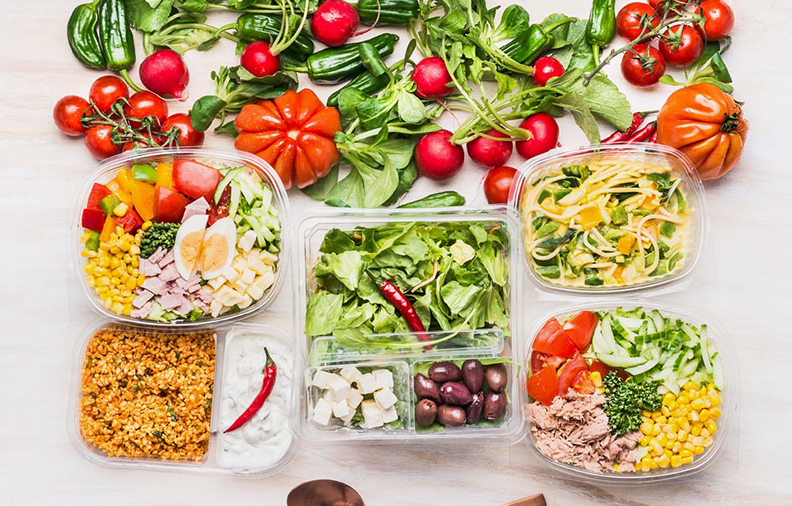
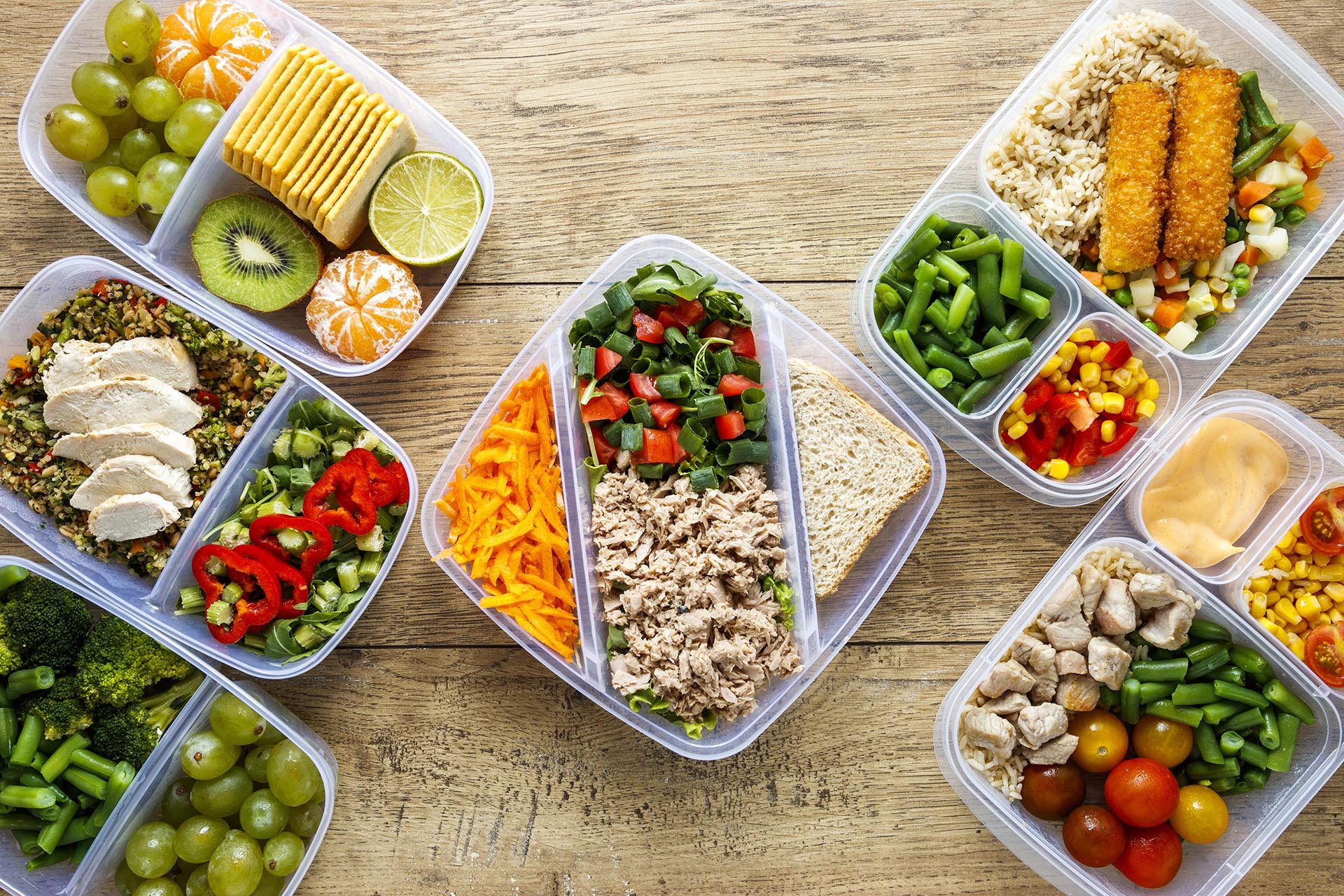
Clear plastic boxes let users identify contents at a glance without opening the lid, which speeds up inventory checks and reduces unnecessary handling. This makes them a common choice for home organization, retail display, and parts bins where quick visual identification matters. Opaque plastic boxes, by contrast, block light and visibility, which helps protect light-sensitive items and gives a cleaner, uniform appearance when boxes are stored on open shelving.
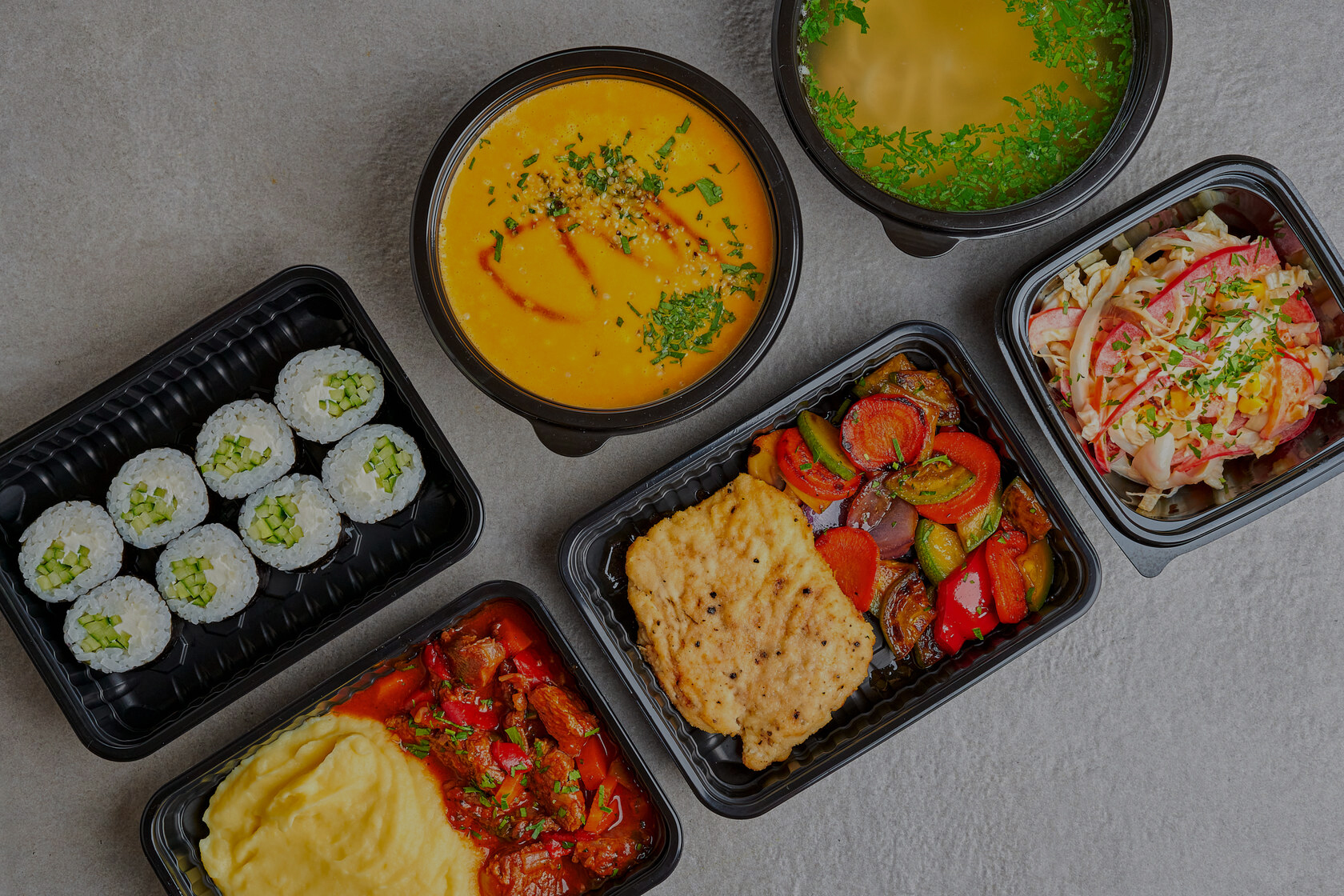
For food applications, transparency also plays a functional role: a clear plastic food container allows users to monitor freshness and portion size without breaking the seal, which is one reason clear designs dominate the food storage segment.
Food-Grade Plastic Boxes
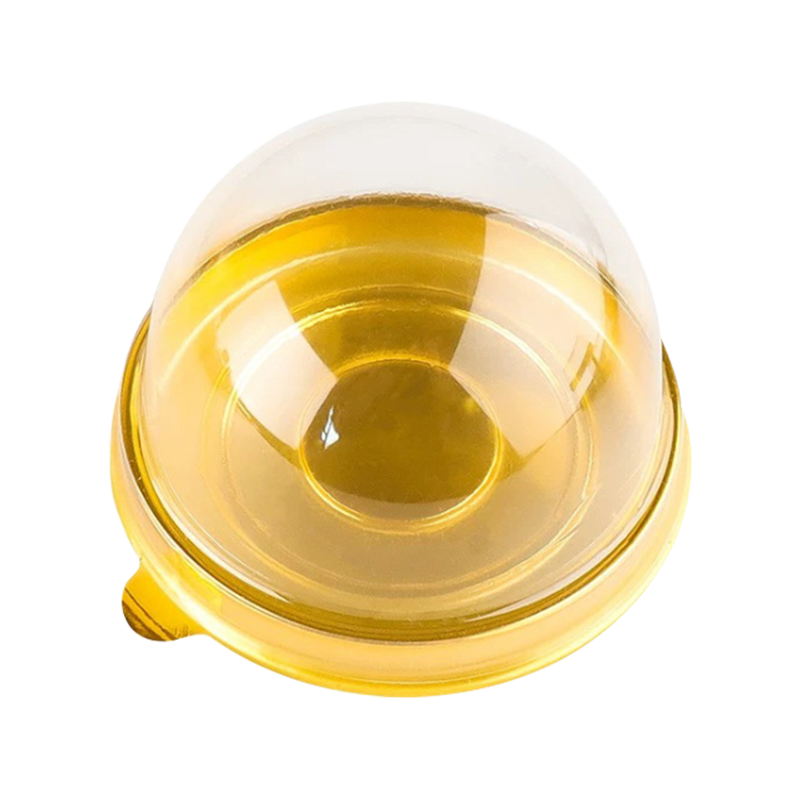
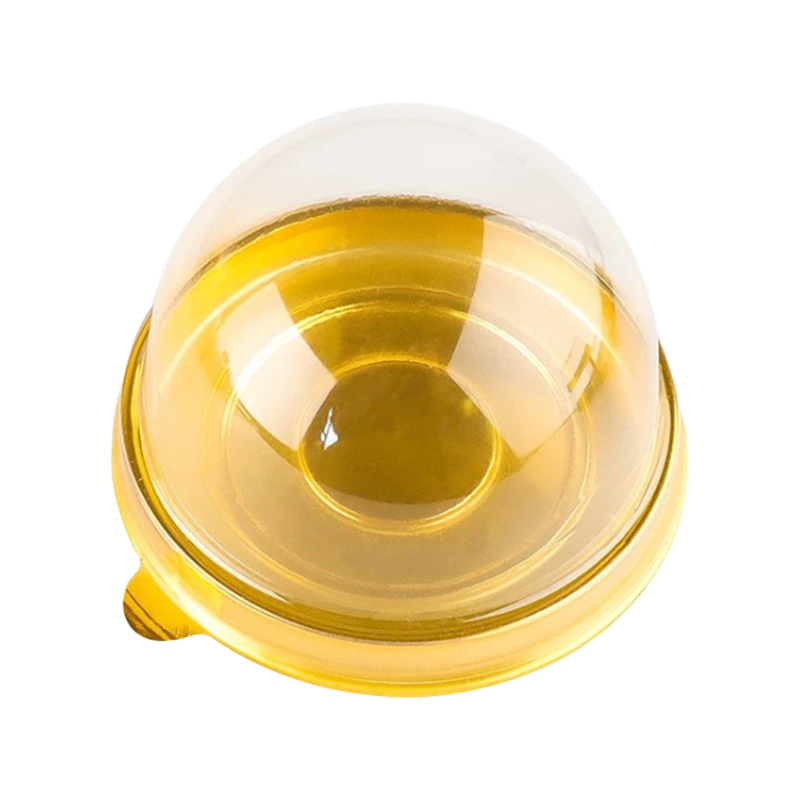
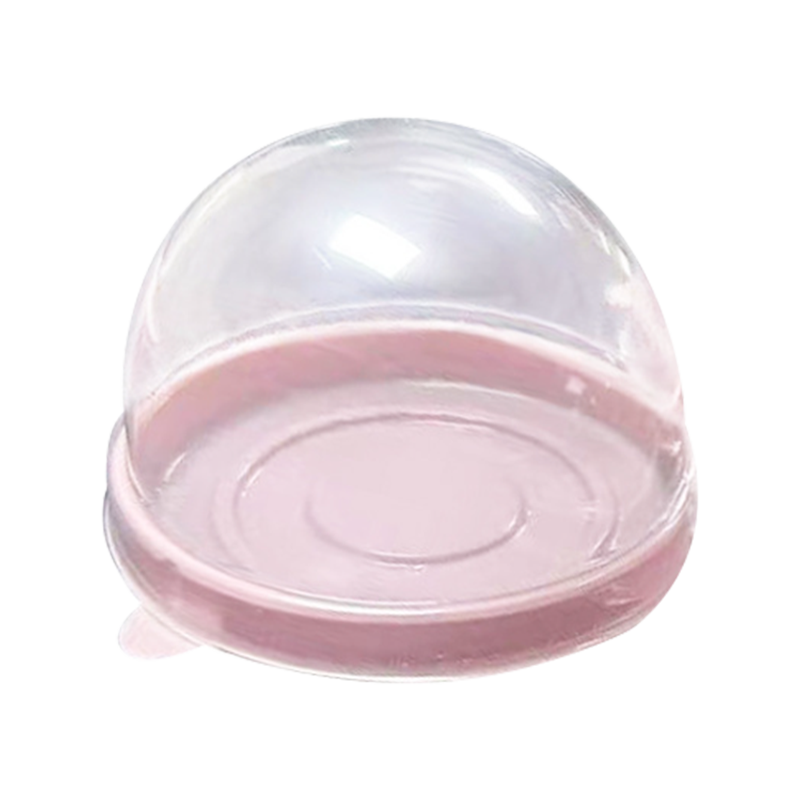
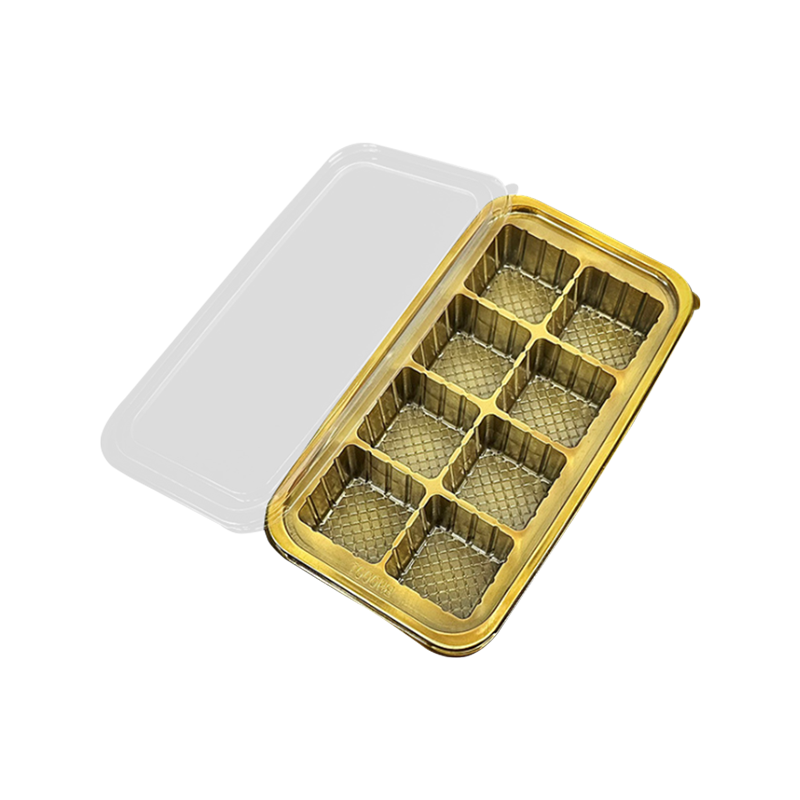
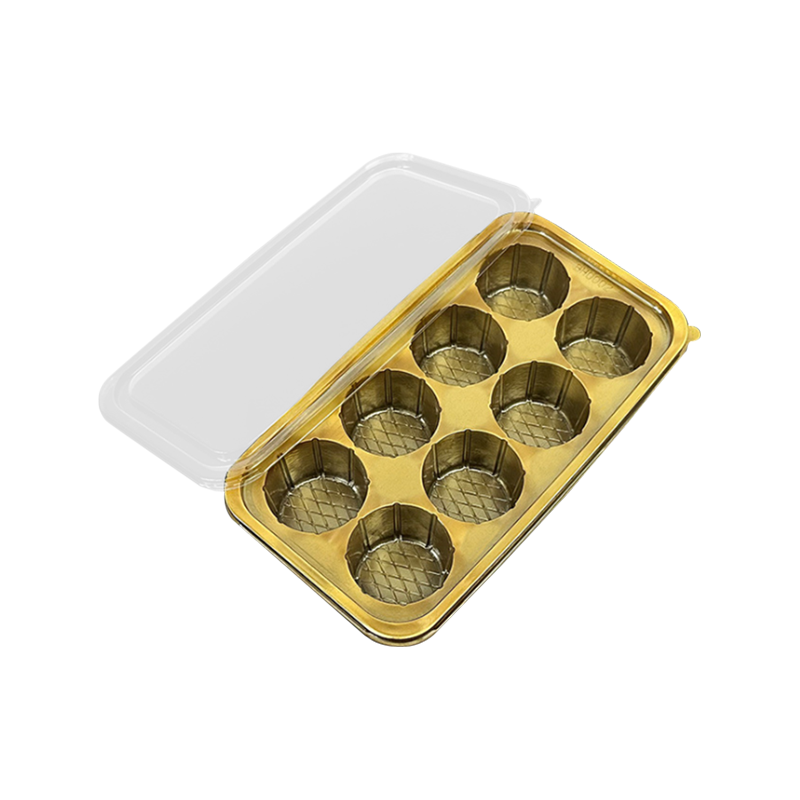
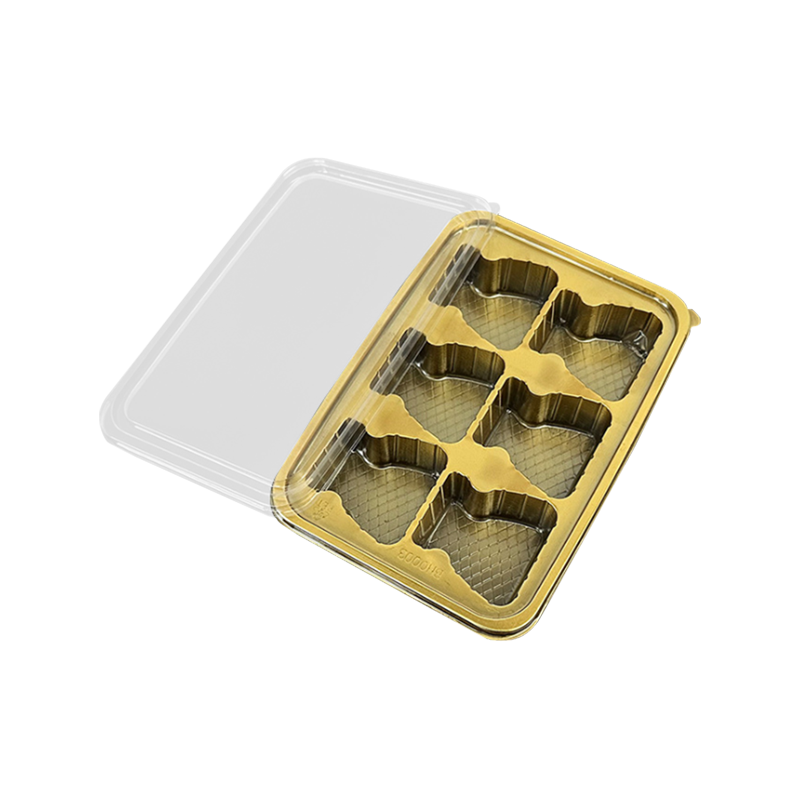
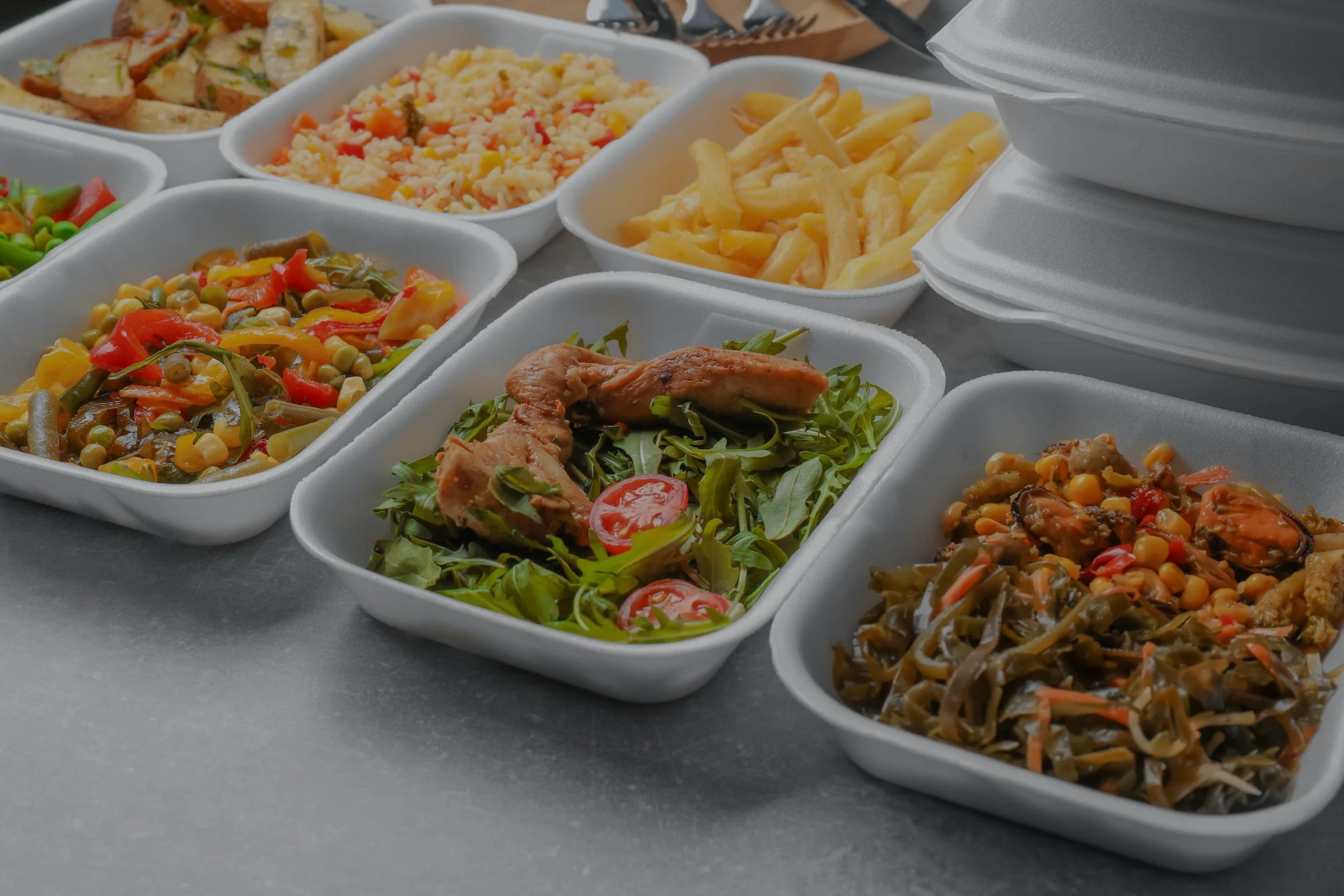
Food-grade plastic boxes are manufactured from materials rated safe for direct contact with edible products, and they typically avoid additives that could leach into food during storage. A plastic food container intended for daily kitchen use should be free of harmful plasticizers and able to withstand repeated washing without warping or clouding. Within this category, a cake container plastic box is a specialized subtype, usually featuring a taller domed lid to protect frosting and decoration during transport, along with a locking base to prevent shifting.
Key Features to Check
- Food-contact material certification appropriate to the product's country of sale
- Leak-resistant seals for liquids or sauces
- Freezer-safe and microwave-safe temperature ratings, where relevant
- Odor resistance after repeated use and washing
Good to Know
A properly sealed cake container plastic box with a domed lid can protect decorated frosting during transport far more reliably than a flat-lid alternative.
Heavy-Duty Industrial Plastic Boxes
Industrial plastic boxes are built with thicker walls and reinforced corners to handle repeated loading, dropping, and stacking in warehouse or manufacturing environments. Many are rated to carry loads of 25 kilograms or more per box while stacked several units high, making them suitable for parts bins, tool storage, and bulk component transport on factory floors. These boxes typically use denser plastic resins than consumer-grade storage boxes, which adds weight but significantly extends service life under continuous handling.
Antistatic Plastic Boxes for Electronics
Antistatic plastic boxes are formulated with conductive additives that dissipate static charge, protecting sensitive electronic components from electrostatic discharge during storage or transport. These boxes are standard in electronics assembly and repair settings, where even a small static discharge can damage circuit boards. Unlike standard plastic boxes, antistatic versions are usually tinted pink or black and labeled clearly to prevent them from being mixed up with general-purpose storage boxes.
Danger
Storing sensitive electronic components in a non-antistatic box exposes them to discharge risk that can cause silent, delayed circuit damage — the fault often only surfaces later, once the component is already in use.
UV-Resistant and Outdoor Plastic Boxes
Standard plastic boxes can become brittle and discolored after prolonged sun exposure, which shortens their usable life outdoors. UV-resistant plastic boxes are treated with stabilizers that slow this breakdown, allowing them to maintain structural integrity in outdoor storage sheds, patios, or job sites for significantly longer periods. Buyers storing boxes outdoors year-round should specifically confirm UV stabilization, since an untreated box exposed to direct sunlight can lose a large share of its impact resistance within a single season.
Info
UV stabilization is usually noted in the product specification sheet rather than the box itself — it's worth confirming before ordering for permanent outdoor placement.
Comparing Plastic Box Types
The table below summarizes the practical strengths of each type to help match a box to its intended use.
| Box Type | Best For | Main Limitation |
|---|---|---|
| Stackable | Long-term shelf storage | Less convenient for frequent access |
| Nestable | Compact empty storage | Cannot stack securely when full |
| Hinged-lid | Small parts, frequent access | Weaker under heavy stacking |
| Collapsible | Shipping and returns | Less rigid than one-piece boxes |
| Food-grade | Kitchen and food service storage | Not designed for heavy-duty industrial loads |
| Industrial | Warehouse and factory use | Heavier and bulkier than consumer boxes |
| Antistatic | Electronics storage and transport | Limited to specialized use cases |
| UV-resistant | Outdoor storage | Typically costs more than standard boxes |
How to Choose the Right Plastic Box
Selecting the correct plastic box starts with identifying three factors: what will be stored, how often the box will be accessed, and what environment it will sit in. A household user storing baked goods needs a plastic food container or cake container plastic box with a secure, food-safe seal, while a warehouse manager filling shelving units needs stackable or industrial-grade boxes rated for repeated heavy loading.
Questions Worth Asking Before Buying
- Will the box be stacked while full, or only stored empty between uses?
- Does the contents require a food-safe or antistatic rating?
- Will the box be exposed to sunlight, moisture, or temperature extremes?
- How frequently will the box need to be opened and closed?
Answering these questions narrows the options quickly, since most plastic boxes are purpose-built for a specific combination of load, access frequency, and environmental exposure rather than being universally interchangeable.
Final Takeaway
There is no single best plastic box, only the type best matched to a specific storage need. Stackable and industrial boxes suit long-term heavy storage, nestable and collapsible boxes suit space-saving and shipping needs, and food-grade options like a plastic food container or cake container plastic box are built specifically for perishable goods. Matching the box type to its intended environment, load, and access pattern is the most reliable way to get lasting value from any plastic box purchase.



- The company requires rigorous, using a high starting point, trustworthy, quality, and actively develop and innovate, the pursuit of excellence route!
CONTACT US
- Tel: +86-15026677788
- E-mail: [email protected]
- Add: No.11 Huafeng Road, Anhua Community, Anhua Town, Zhuji City, Shaoxing, Zhejiang, China
GET A QUOTE
Copyright @ Donghang Polymer Material Technology Co., Ltd. All Rights Reserved.
 Custom PVC Blister Plastic Boxes Manufacturers
