


 English
 عربى
عربى Español
How do plastic food containers perform against ceramic containers when storing acidic foods like tomato sauce or citrus?
When storing acidic foods like tomato sauce or citrus, ceramic containers are the safer and more chemically stable choice — but plastic food containers are not automatically disqualified. The outcome depends heavily on the type of plastic, the acidity level of the food, storage duration, and temperature. For short-term, room-temperature storage, food-grade plastic containers can perform adequately. For prolonged storage, especially in the refrigerator or microwave, ceramic has a clear and measurable advantage.
Why Acidity Is a Problem for Plastic Food Containers
Acidic foods have a low pH — tomato sauce typically sits between pH 3.5 and 4.5, while lemon juice can reach as low as pH 2.0. At these levels, acids can interact with the polymer chains in plastic over time, triggering a process called chemical leaching — where trace compounds from the plastic migrate into the food.
A study published in the journal Food Additives & Contaminants found that acidic simulants (such as acetic acid solutions) caused measurably higher levels of plastic additive migration compared to neutral or alkaline simulants. The longer the contact time and the higher the temperature, the greater the migration. This is particularly relevant for plastic food containers used to store tomato-based sauces or marinated citrus overnight or longer.
Common plastic additives of concern include antioxidants, plasticizers, and UV stabilizers — chemicals added during manufacturing that are not chemically bound to the polymer and can therefore detach under acidic or thermal stress.
How Different Plastics React to Acidic Foods
Not all plastic food containers are made from the same resin. The plastic type has a direct bearing on how resistant the container is to acidic foods.
Polypropylene (PP) — Recycling Code #5
PP is the most acid-resistant common plastic used in food containers. It is approved by the FDA for direct food contact and can handle mildly acidic foods reasonably well at refrigerator temperatures. However, microwaving tomato sauce in a PP plastic food container still carries leaching risks, as heat accelerates chemical migration even from otherwise stable plastics.
Polyethylene Terephthalate (PET) — Recycling Code #1
PET is widely used in single-use bottles and takeout containers. While it performs acceptably for short-term cold storage of acidic foods, it is not designed for reuse. Repeated washing and acid exposure accelerate surface degradation, increasing the risk of antimony — a catalyst used in PET production — migrating into food, particularly at temperatures above 60°C (140°F).
Polystyrene (PS) — Recycling Code #6
PS is among the least suitable plastics for acidic food storage. Styrene — a potential human carcinogen according to the National Toxicology Program — can leach readily into fatty or acidic foods. Storing tomato sauce or citrus in PS plastic food containers is strongly discouraged, even for short periods.
Tritan Copolyester
Tritan is a premium, BPA-free and BPS-free plastic increasingly used in high-quality food containers. It offers better acid resistance than standard plastics and does not absorb odors or stains as readily. Among plastic food containers, Tritan is one of the better options for acidic food storage, though it still does not match the inert stability of ceramic.
Ceramic Containers: How They Handle Acidity
Ceramic food containers — including stoneware, porcelain, and earthenware — are composed of fired clay and mineral compounds. When properly manufactured and glazed, ceramic is chemically inert and does not react with acidic foods under any normal storage or cooking condition.
The key qualifier is the glaze. Food-safe ceramic glazes create a non-porous, acid-resistant surface that prevents any meaningful interaction between the ceramic body and the food. Unlike plastic food containers, ceramic does not absorb odors, stains, or flavors from tomato sauce or citrus, even after repeated long-term use.
One important caveat: older, imported, or decorative ceramics may contain lead- or cadmium-based glazes, which can leach into acidic foods. Always verify that ceramic containers carry food-safe certification — especially for anything manufactured before the 1990s or sourced from regions with less stringent safety standards.
Plastic vs Ceramic: Side-by-Side Performance Comparison
The table below compares plastic food containers and ceramic containers directly across the dimensions most relevant to storing acidic foods.
| Performance Factor | Plastic Food Container | Ceramic Container |
|---|---|---|
| Chemical Reactivity with Acid | Moderate to High (type-dependent) | Very Low (inert when properly glazed) |
| Stain Resistance (Tomato/Citrus) | Low — stains easily, especially PP | High — glazed surface resists staining |
| Odor Absorption | Absorbs odors over time | Does not absorb odors |
| Microwave Safety with Acidic Food | Risky — heat accelerates leaching | Safe (no glaze without metal trim) |
| Long-Term Storage Safety | Degrades with repeated acid exposure | Stable for years without degradation |
| Weight & Portability | Lightweight and portable | Heavy, breakable |
| Cost | Lower ($2–$20) | Higher ($10–$50+) |
| Airtight Sealing | Available with silicone lids | Rarely airtight without added lid |
Staining and Odor: A Practical Day-to-Day Issue
Beyond safety, one of the most frustrating practical issues with plastic food containers and acidic foods is staining. Tomato sauce, in particular, contains lycopene — a fat-soluble red pigment that readily binds to the slightly porous surface of most plastics. Even a single use can leave an orange tint that resists dishwasher cleaning.
Citrus juices, while less visually obvious, leave behind limonene — an aromatic compound that penetrates plastic over time and causes persistent odor that transfers to other foods stored later in the same container.
Ceramic containers are entirely immune to both issues. The glazed, non-porous surface does not allow lycopene or limonene to bind, meaning a ceramic container used to store tomato pasta sauce tonight will smell and look clean after a standard dishwasher cycle — the same cannot be reliably said for a plastic food container after repeated use.
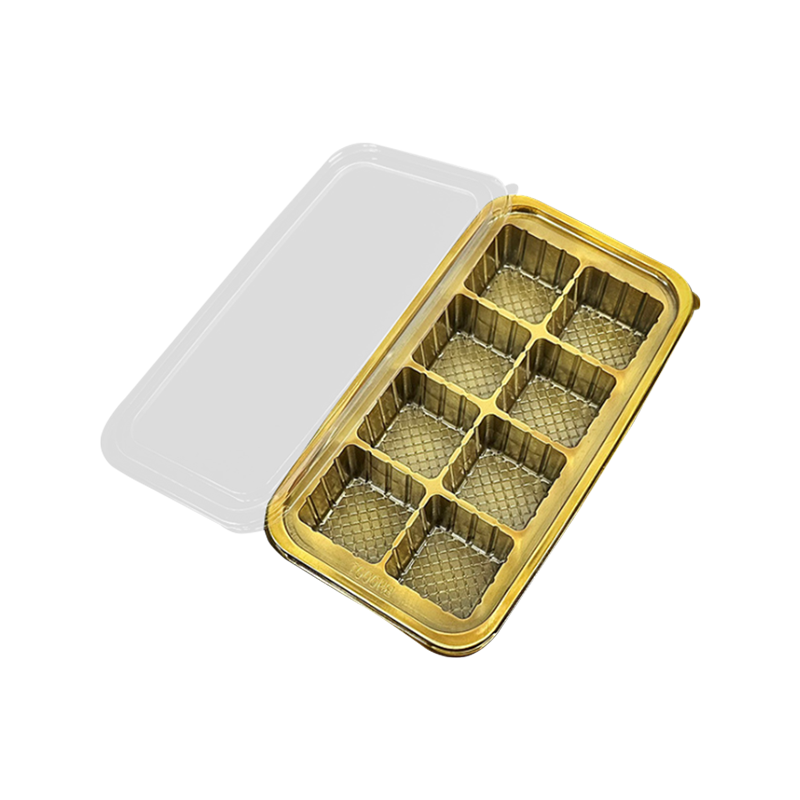
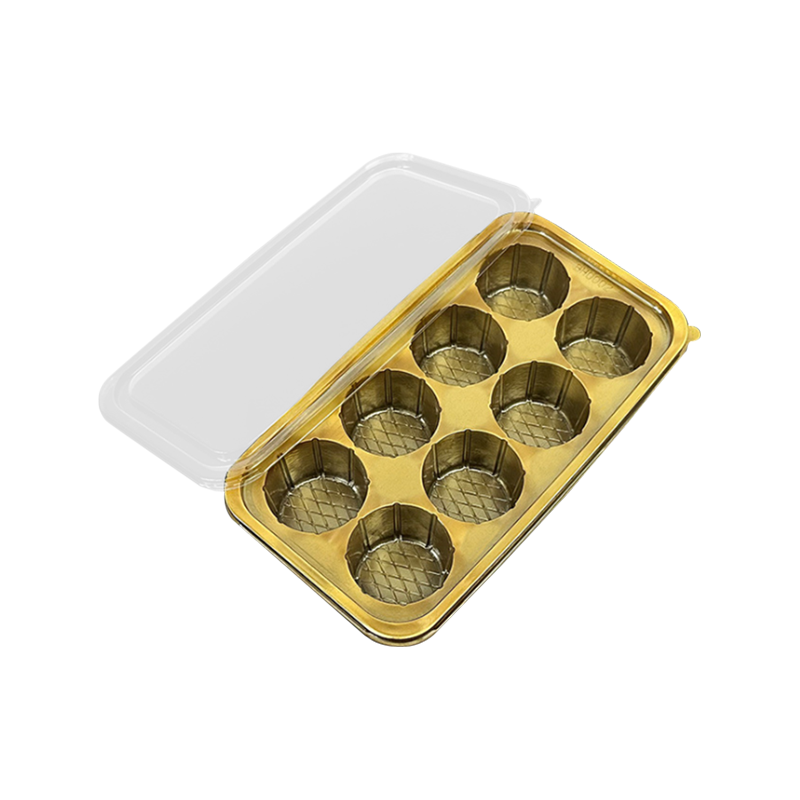
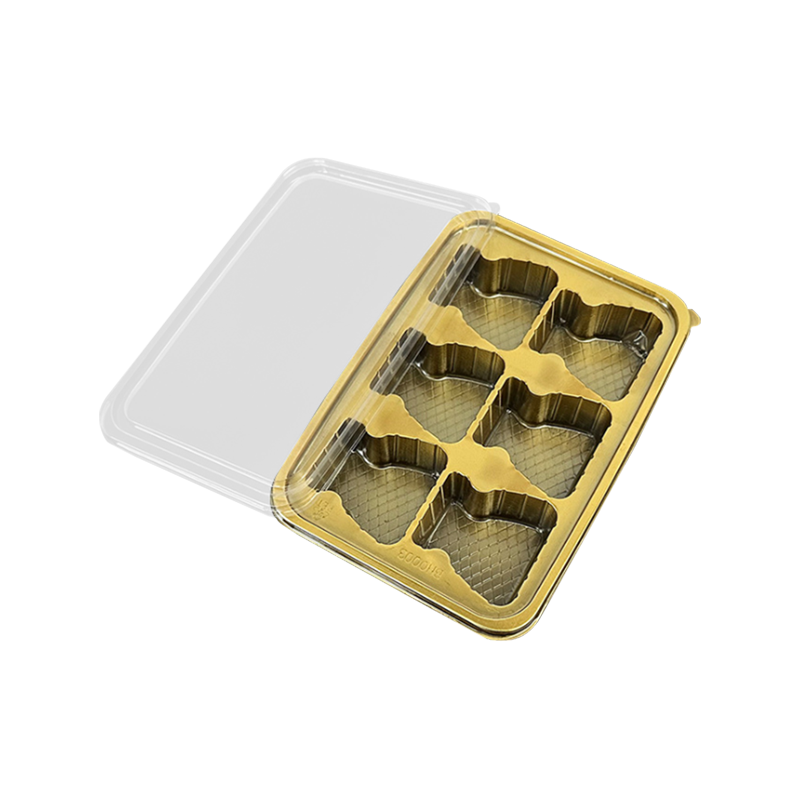
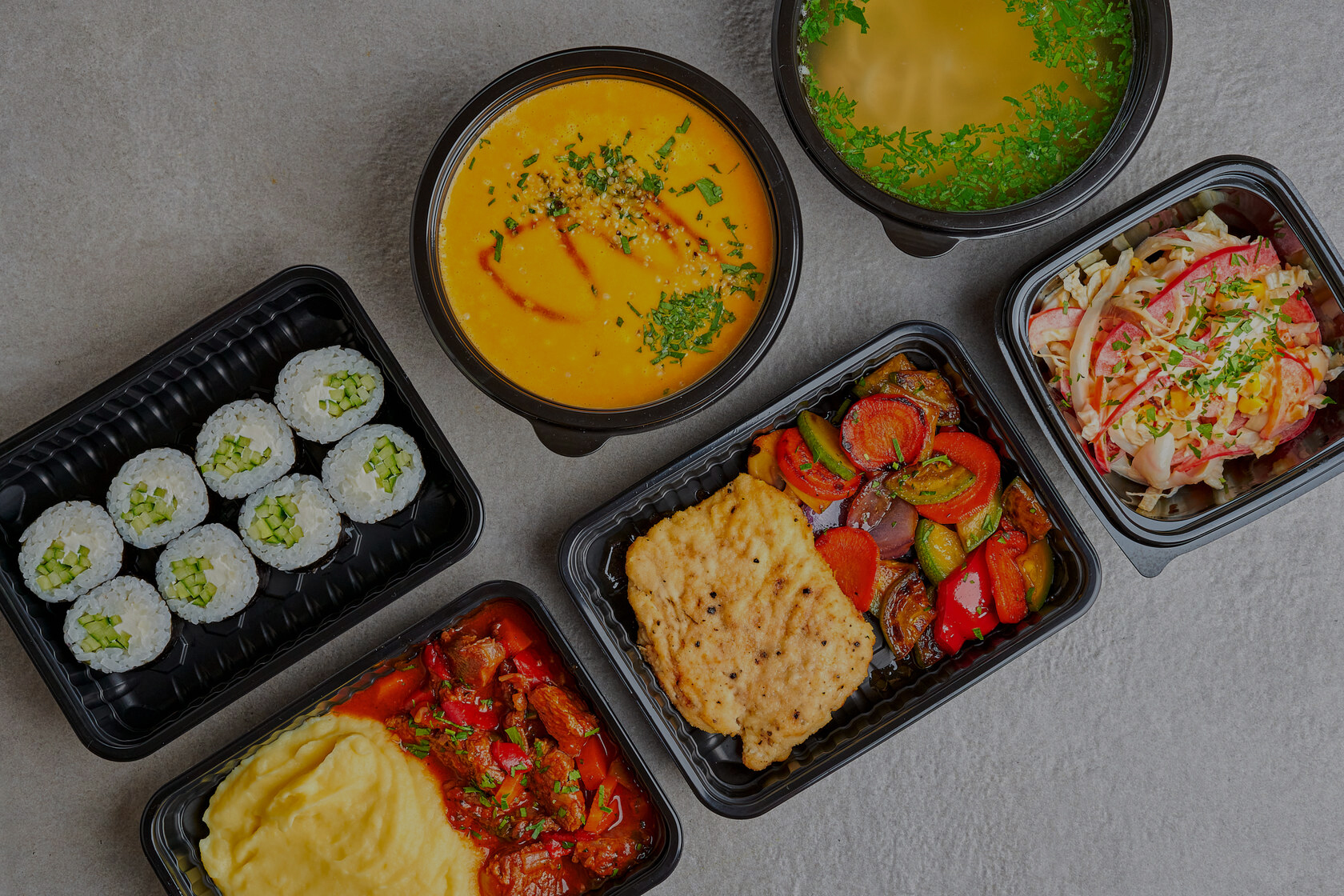
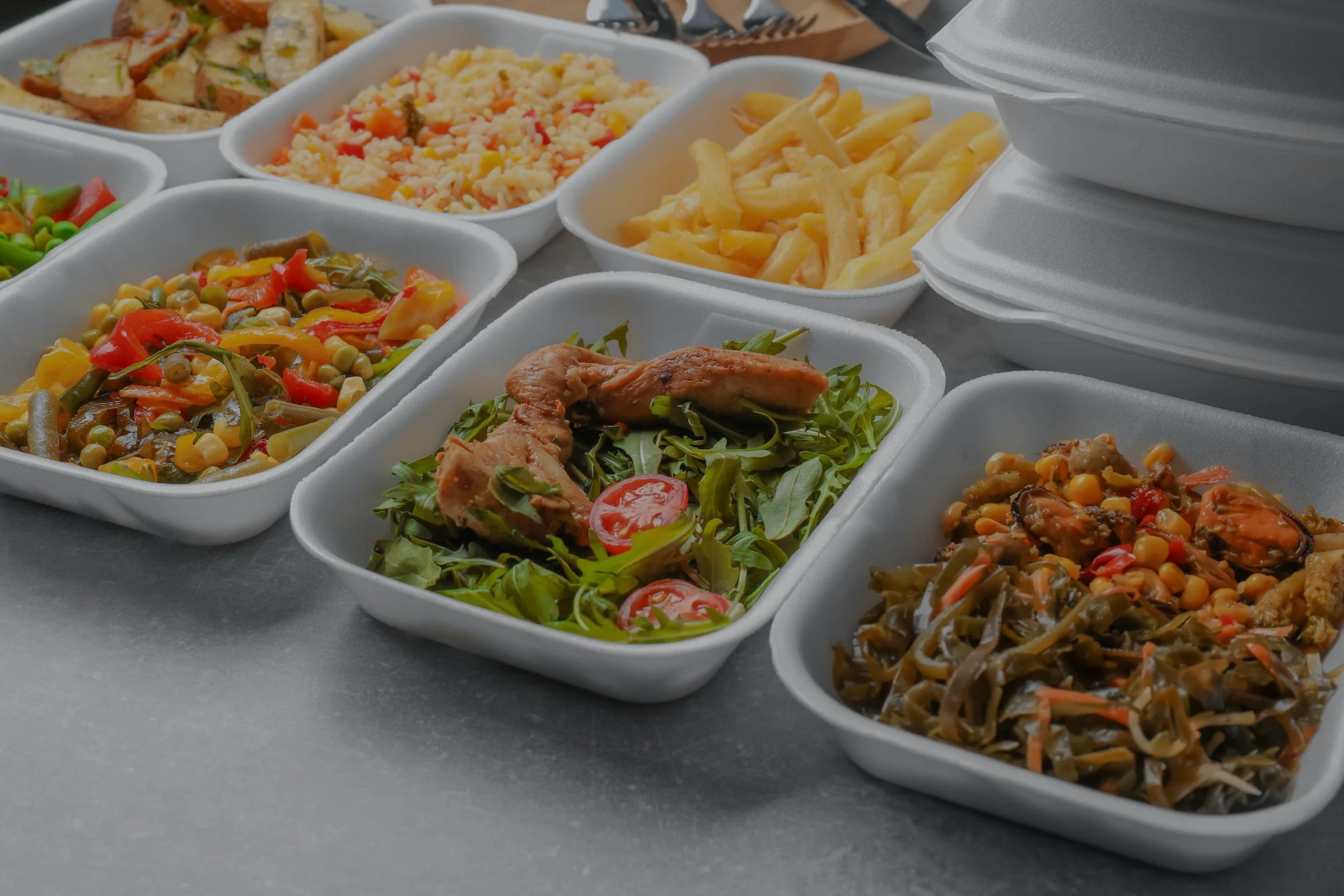
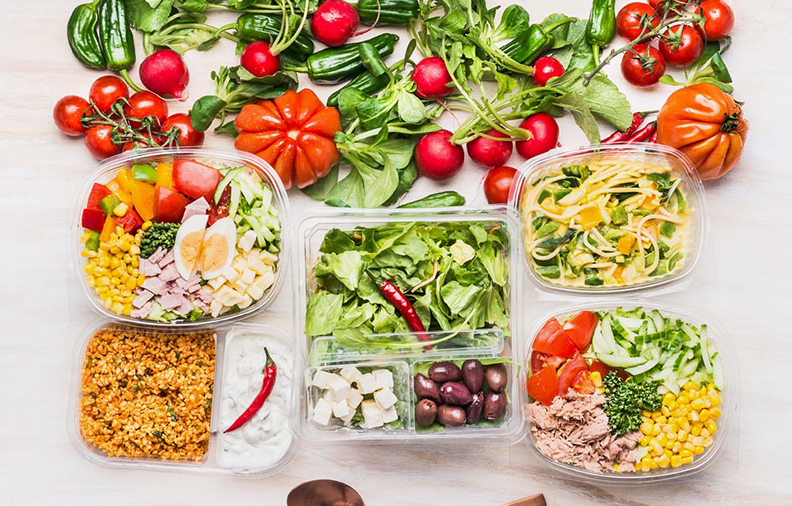
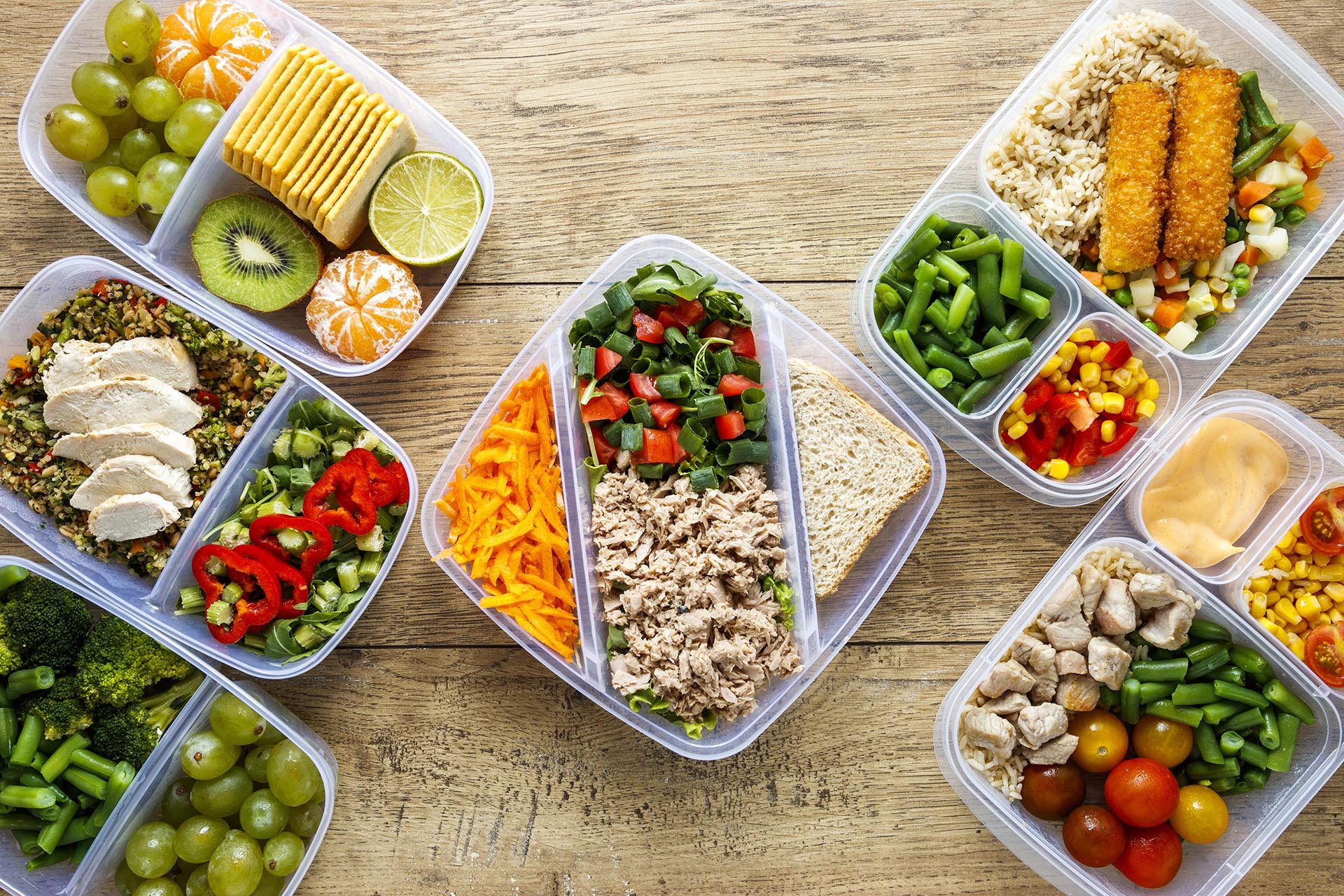
plastic food containers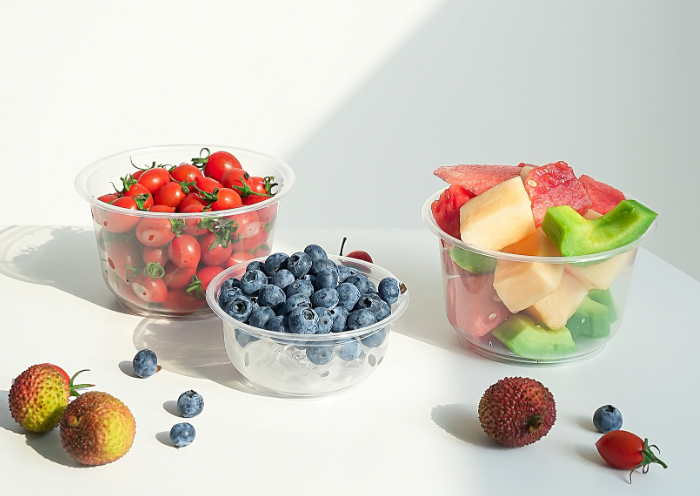
When Plastic Food Containers Are Still Acceptable for Acidic Foods
There are practical scenarios where reaching for a plastic food container remains a reasonable choice, even with acidic contents:
- Short contact time (under 4 hours): Packing a citrus salad dressing for lunch poses minimal leaching risk when using a PP or Tritan container at room temperature.
- Cold storage only: Refrigerating (not microwaving) leftover tomato soup overnight in a high-quality PP plastic food container is generally considered low-risk by food safety experts.
- Transport and portability: Ceramic is fragile and heavy. For packed lunches, hiking, or travel, a BPA-free plastic food container remains the only practical option.
- Single-use context: If the container will be used once and discarded, PET containers carry minimal cumulative risk for acidic food transport.
Best Practices When Using Plastic Food Containers with Acidic Foods
If you must use a plastic food container for tomato sauce, citrus, or other acidic foods, follow these guidelines to minimize risk:
- Always choose PP (#5) or Tritan containers — avoid PS (#6) and PVC (#3) entirely for acidic foods.
- Never microwave acidic foods in plastic — transfer to a ceramic or glass container before heating.
- Limit storage time — aim for no more than 24–48 hours for high-acid foods in plastic containers.
- Inspect containers regularly — discard any plastic food container that is scratched, discolored, or warped, as surface damage accelerates leaching.
- Line the container with parchment paper as a physical barrier if storing highly acidic or fatty foods for longer periods.
For storing acidic foods like tomato sauce or citrus at home — especially when reheating is involved — ceramic containers are objectively the better choice. They are chemically inert, stain-proof, odor-free, and built to last decades without degradation. The upfront cost and weight are the only meaningful trade-offs.
Plastic food containers remain valuable for their portability, light weight, and affordability. But when it comes to acidic food storage — particularly for anything stored longer than a few hours or destined for the microwave — the data consistently favors ceramic over plastic. A smart kitchen strategy uses both: ceramic for home storage and reheating of acidic foods, and high-grade plastic food containers for transport and short-term use.



- The company requires rigorous, using a high starting point, trustworthy, quality, and actively develop and innovate, the pursuit of excellence route!
CONTACT US
- Tel: +86-15026677788
- E-mail: [email protected]
- Add: No.11 Huafeng Road, Anhua Community, Anhua Town, Zhuji City, Shaoxing, Zhejiang, China
GET A QUOTE
Copyright @ Donghang Polymer Material Technology Co., Ltd. All Rights Reserved.
 Custom PVC Blister Plastic Boxes Manufacturers
