


 English
 عربى
عربى Español
Do plastic food containers with airtight silicone seals offer better food preservation than all-plastic sealed containers?
The plastic food containers with airtight silicone seals generally offer superior food preservation compared to all-plastic sealed containers. Silicone's natural flexibility allows it to conform tightly to the container rim, creating a more consistent airtight barrier that significantly slows oxidation, moisture loss, and bacterial growth. That said, the advantage depends heavily on design quality, the type of plastic used, and how the container is used daily.
Why the Seal Material Matters More Than You Think
The lid seal is the most critical component of any food container. Even a high-quality plastic body is undermined by a poor seal. In all-plastic sealed containers, the lid and the gasket (if present) are made from the same or similar rigid plastic material. Over time, this rigidity becomes a liability.
Plastic seals tend to lose their elasticity after repeated heating and cooling cycles. A study from the American Chemical Society (2020) noted that thermoplastic elastomers used in all-plastic lids can deform after as few as 50 dishwasher cycles, leading to measurable air leakage. Silicone, by contrast, retains its shape and flexibility across a much wider temperature range — typically from -60°C to 230°C (-76°F to 446°F) — without degrading.
plastic food containers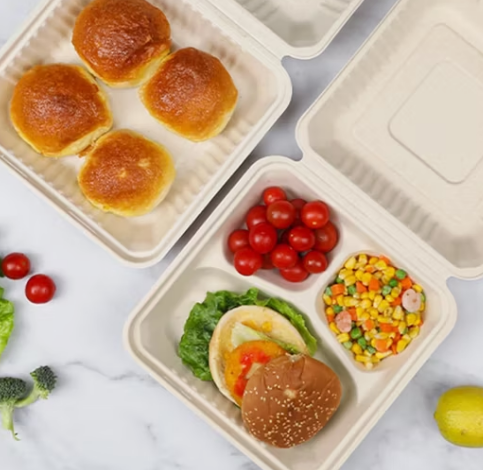
How Airtight Sealing Directly Impacts Food Freshness
Food spoilage is primarily driven by three factors: oxygen exposure, moisture fluctuation, and microbial contamination. An airtight seal addresses all three simultaneously.
- Oxidation: Fruits and vegetables brown, fats go rancid, and vitamins degrade faster when exposed to oxygen. A silicone-sealed plastic food container reduces this exposure by maintaining a tighter barrier.
- Moisture retention: Silicone seals prevent the escape of moisture, keeping foods like cooked rice, salads, and meats from drying out. Tests have shown that silicone-sealed containers can retain up to 30% more moisture in stored foods compared to snap-lock plastic lids over a 48-hour period.
- Microbial contamination: Gaps in all-plastic seals can allow airborne bacteria and mold spores to enter, especially after the plastic has warped from heat exposure.
In practical terms, leftovers stored in a silicone-sealed plastic food container often remain fresh for 1–2 days longer in the refrigerator than those in standard all-plastic containers with snap lids.
Silicone vs All-Plastic Seals: A Direct Comparison
The table below summarizes the key differences between plastic food containers with silicone seals and those with all-plastic seals across the most important user-facing categories.
| Category | Silicone-Sealed Plastic Container | All-Plastic Sealed Container |
|---|---|---|
| Airtightness Over Time | High — silicone retains elasticity | Degrades after repeated use |
| Temperature Resistance | -60°C to 230°C | Typically 0°C to 120°C |
| Odor & Stain Resistance | Better (silicone is non-porous) | Absorbs odors and stains over time |
| Dishwasher Durability | Excellent (100+ cycles) | Moderate (warping risk after ~50 cycles) |
| Chemical Leaching Risk | Lower (silicone is inert) | Higher risk when heated or aged |
| Cost | Higher upfront | Lower upfront |
| Overall Food Preservation | Superior | Adequate for short-term use |
The Role of Plastic Type in Container Performance
The body of the plastic food container matters just as much as the seal. Not all plastics used in food containers are equal, and the material affects how well the container supports the silicone seal's function.
Polypropylene (PP) — Recycling Code #5
PP is the most common plastic used in food-grade containers. It is microwave-safe, heat-resistant up to approximately 120°C (248°F), and BPA-free. When paired with a silicone seal, PP containers perform exceptionally well for meal prep and leftover storage. The rigidity of PP complements the flexibility of silicone, forming a tight mechanical bond at the rim.
Tritan (Copolyester) Plastic
Tritan is a premium, BPA- and BPS-free copolyester frequently used in high-end plastic food containers. It is crystal-clear, highly impact-resistant, and dishwasher-safe. When combined with a silicone gasket, Tritan containers provide some of the best food preservation available in the plastic category — rivaling glass in seal performance.
Low-Grade HDPE or PS Containers
High-density polyethylene (HDPE, #2) and polystyrene (PS, #6) containers are often found in cheaper, single-use or short-term storage products. These materials are more prone to warping, cracking, and chemical migration, especially when heated. Even with a silicone seal, the container body itself can compromise food safety if made from lower-grade plastics.
Where All-Plastic Sealed Containers Still Make Sense
Despite their limitations, all-plastic sealed containers are not without merit. They are well-suited for specific use cases:
- Short-term storage (under 24 hours): For packing a lunch or storing dry snacks, an all-plastic container performs adequately and costs less.
- Low-moisture foods: Crackers, nuts, and cookies do not require moisture retention, so a silicone seal offers minimal added benefit.
- Children's use: Simpler all-plastic snap-lock containers are easier for young children to open and close independently.
- Budget-conscious purchasing: All-plastic containers can cost 30–60% less than their silicone-sealed counterparts, making them practical for bulk buying or high-turnover environments.
Key Features to Look for in a Silicone-Sealed Plastic Food Container
Not all silicone-sealed plastic food containers are created equal. When shopping, prioritize the following:
- Food-grade silicone gasket: Ensure the seal is made from 100% food-grade silicone, free from fillers. A quick test — squeeze and twist the silicone; if it turns white, it contains fillers.
- PP or Tritan body: Verify the plastic resin code (#5 for PP) or look for Tritan branding to ensure material safety.
- Four-locking-clip design: Containers with four side clips distribute pressure evenly around the rim, maximizing the airtight effect of the silicone seal.
- Leak-proof certification: Look for containers that have passed independent leak-proof testing, not just "spill-resistant" marketing claims.
- Replaceable gaskets: Some brands sell replacement silicone seals separately, extending the useful life of the plastic food container significantly.
Long-Term Value: Cost vs. Performance
A quality silicone-sealed plastic food container typically costs between $8–$20 per unit, compared to $2–$6 for a standard all-plastic container. While the upfront cost is higher, the longer lifespan and better food preservation of silicone-sealed options can offset the difference. If the silicone seal reduces food waste by extending shelf life — even by one to two days consistently — the savings on groceries can outweigh the premium paid for the container within a few months.
Additionally, because silicone-sealed containers are more durable, users typically replace them less frequently. A well-maintained PP container with a silicone seal can last 5–10 years, whereas all-plastic containers often need replacement within 1–3 years due to warping, cracking, or seal failure.
For anyone serious about food freshness, reducing waste, and long-term safety, plastic food containers with airtight silicone seals are the clear winner over all-plastic sealed alternatives. The silicone gasket provides a consistently tighter, more durable seal that outperforms plastic-on-plastic closures in nearly every measurable way — from moisture retention to chemical stability.
All-plastic containers remain a practical, budget-friendly option for casual or short-term use. But if your goal is to maximize the freshness and safety of your stored food — especially for meal prepping, marinating, or storing leftovers beyond 24 hours — investing in a silicone-sealed plastic food container is a decision that pays off both in the kitchen and at the grocery store.



- The company requires rigorous, using a high starting point, trustworthy, quality, and actively develop and innovate, the pursuit of excellence route!
CONTACT US
- Tel: +86-15026677788
- E-mail: [email protected]
- Add: No.11 Huafeng Road, Anhua Community, Anhua Town, Zhuji City, Shaoxing, Zhejiang, China
GET A QUOTE
Copyright @ Donghang Polymer Material Technology Co., Ltd. All Rights Reserved.
 Custom PVC Blister Plastic Boxes Manufacturers
