The Plastic Fruit Sushi Boxes are designed with a secure, snap-lock or hinged lid intended to prevent leakage during transport. However, the level of sealing performance varies significantly depending on the manufacturer, material grade, and structural design. If you are sourcing a Plastic Fruit Sushi Box for commercial food service, retail display, or delivery purposes, understanding exactly what "leak-proof" means in practice — and what to look for — is essential before making a purchasing decision.
Why a Leak-Proof Lid Matters in a Plastic Fruit Sushi Box
A Plastic Fruit Sushi Box is unique in that it combines two food types with very different moisture profiles. Fresh fruit — such as strawberries, kiwi slices, mango, or citrus segments — naturally releases juice over time, especially when cut or exposed to temperature changes. Sushi rice, on the other hand, is highly moisture-sensitive: excess liquid can cause the rice to become soggy, alter its texture, and accelerate bacterial growth.
According to food safety guidelines from the FDA, perishable combination food products should be stored and transported in packaging that minimizes cross-contact between components. A well-sealed Plastic Fruit Sushi Box directly addresses this concern by:
- Preventing fruit juice from migrating into sushi compartments
- Maintaining the visual presentation of the product for retail or gifting purposes
- Reducing food waste caused by contaminated or deteriorated contents
- Meeting hygiene standards required by commercial food businesses
In a 2022 packaging study on ready-to-eat food containers, over 68% of consumer complaints about combination food boxes were related to leakage or moisture transfer — underscoring how critical lid performance truly is.
Types of Lid Closures Found on Plastic Fruit Sushi Boxes
Not all lids on a Plastic Fruit Sushi Box are created equal. The closure mechanism directly determines how well the box seals during transport, handling, and stacking. Below is a breakdown of the most common lid types:
Comparison of lid closure types commonly found on Plastic Fruit Sushi Boxes
| Lid Type |
Seal Strength |
Best Use Case |
Leak-Proof Rating |
| Snap-Lock Clasp |
High |
Delivery & transport |
4 Stars |
| Hinged Press-Fit Lid |
Medium |
Retail display & short trips |
3 Stars |
| Silicone-Gasket Sealed Lid |
Very High |
Long-distance shipping |
5 Stars |
| Loose Slide-On Lid |
Low |
In-store display only |
2 Stars |
For users who require genuine transport-grade leak protection, a snap-lock or silicone-gasket lid on the Plastic Fruit Sushi Box is strongly recommended over a basic press-fit or loose slide-on design.
Internal Compartment Design and Its Role in Contamination Prevention
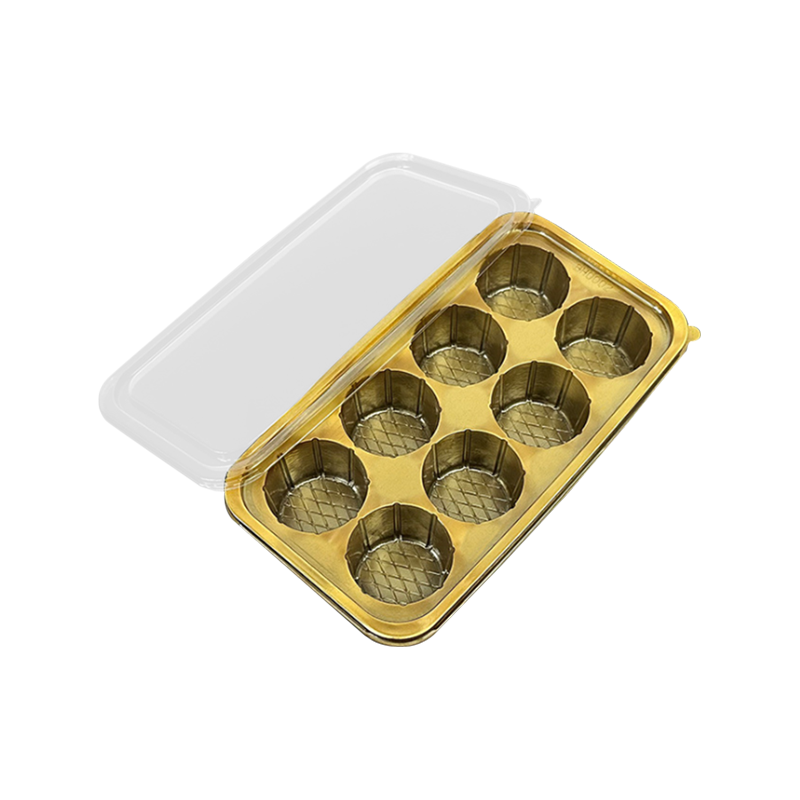
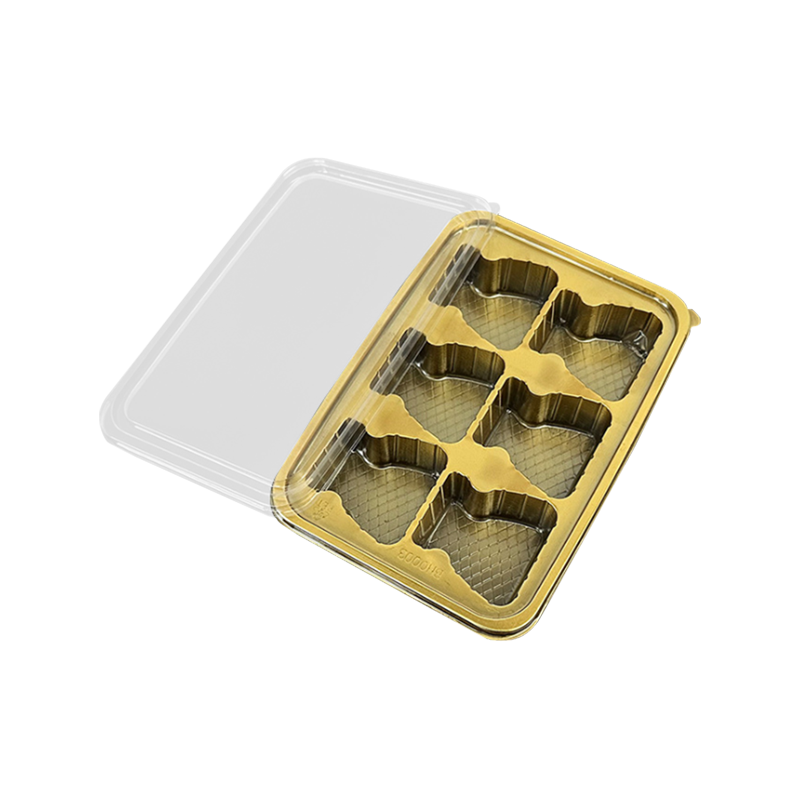
Beyond the lid itself, the internal layout of the Plastic Fruit Sushi Box plays a critical secondary role in preventing juice contamination. A box with a single open cavity offers no separation between the fruit and sushi sections, meaning even a well-sealed lid cannot prevent cross-contamination between the contents.
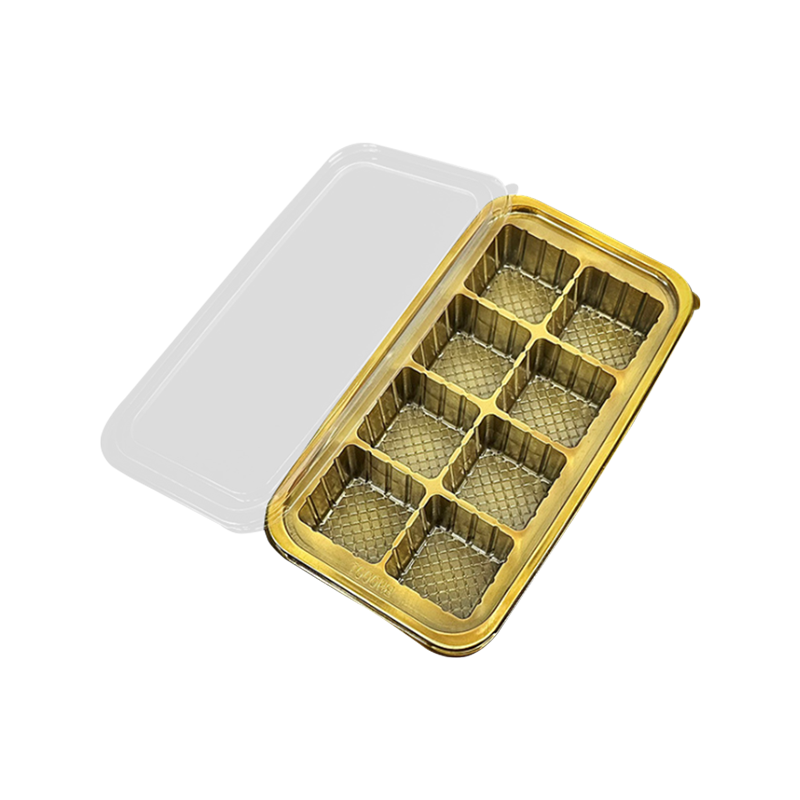
High-quality Plastic Fruit Sushi Box designs typically include one or more of the following structural features:
- Raised internal dividers that physically separate fruit from sushi rolls or nigiri
- Recessed fruit trays that contain juice within a defined zone, with drainage channels directing liquid away from sushi areas
- Absorbent pads placed beneath the fruit section to soak up excess moisture before it can migrate
- Two-tiered tray systems where fruit and sushi occupy separate horizontal layers entirely
When evaluating a Plastic Fruit Sushi Box, users should inspect whether the dividers reach the full height of the box interior. A divider that is only 5–8mm tall provides minimal protection against pooling fruit juice, whereas a full-height divider of 20mm or more creates a reliable barrier.
Material Choices and Their Impact on Sealing Performance
The plastic resin used to manufacture the Plastic Fruit Sushi Box directly affects how well the lid seals and maintains its integrity over time. Different materials have different flexibility, tolerance, and durability profiles:
Polypropylene (PP)
PP is the most common material for food-grade Plastic Fruit Sushi Boxes. It offers good chemical resistance, flexibility for snap-fit lids, and withstands refrigeration temperatures without becoming brittle. PP snap-lock lids maintain their tension across hundreds of open-close cycles, making them suitable for reusable box formats.
PET (Polyethylene Terephthalate)
PET is widely used for transparent, single-use Plastic Fruit Sushi Boxes intended for retail display. While PET provides excellent clarity for visibility of contents, it is more rigid than PP and less forgiving in snap-closure applications. PET lids are more prone to cracking under repeated stress, which can compromise the leak-proof seal over time.
rPET (Recycled PET)
Increasingly used in eco-conscious packaging lines, rPET Plastic Fruit Sushi Boxes offer similar clarity and rigidity to virgin PET. The sealing performance depends heavily on the quality of the recycled content and whether a gasket strip has been integrated into the lid design.
Practical Transport Scenarios and Box Performance
The performance of the Plastic Fruit Sushi Box lid under real-world transport conditions is the ultimate test of its leak-proof claims. Consider the following scenarios:
- Bicycle or scooter delivery: Vibration and lateral tipping are common. A snap-lock Plastic Fruit Sushi Box with full-height dividers performs best here, as contents shift less and the lid remains locked under movement.
- Stacked refrigeration: When multiple boxes are stacked, the weight compresses the bottom boxes. A structurally reinforced Plastic Fruit Sushi Box with a rigid lid frame prevents collapse and seal failure.
- Gifting or catering transport in a bag: Boxes carried in tote bags may tip or rotate. A four-point snap-lock Plastic Fruit Sushi Box maintains seal integrity even when briefly inverted.
- Long-haul refrigerated shipping: Condensation buildup over 4–8 hours of cold transit adds additional moisture stress. Only a gasket-sealed Plastic Fruit Sushi Box reliably prevents external moisture ingress in this context.
What to Verify Before Purchasing a Plastic Fruit Sushi Box
Before committing to a bulk order or retail purchase of a Plastic Fruit Sushi Box, users and buyers should verify the following critical points to ensure the lid meets their specific leak-proof requirements:
- Request a physical sample and perform a tilt test with liquid placed in the fruit compartment
- Confirm whether the Plastic Fruit Sushi Box lid includes a gasket, lip seal, or tongue-and-groove mechanism
- Ask the supplier for drop-test or vibration-test certifications relevant to food packaging
- Check if the lid and base are manufactured from the same resin for consistent thermal expansion behavior
- Verify that the Plastic Fruit Sushi Box carries food-contact compliance documentation, such as EU Regulation 10/2011 or FDA 21 CFR approval
Taking these steps ensures that the Plastic Fruit Sushi Box you select provides genuine, tested leak-proof performance rather than relying solely on marketing claims.
A well-designed Plastic Fruit Sushi Box with a snap-lock or gasket-sealed lid, combined with high internal dividers and an absorbent base layer, can reliably prevent fruit juice from contaminating sushi compartments during normal transport conditions. However, budget-tier boxes with loose press-fit lids and shallow internal dividers offer minimal protection and should not be used for delivery or long-distance transport of moisture-sensitive content.
For commercial operators, the investment in a premium-grade Plastic Fruit Sushi Box — typically priced 15–30% higher than standard options — is justified by reduced product loss, better customer satisfaction, and compliance with food safety standards. For individual consumers, always inspect the lid mechanism and internal layout before purchase to ensure the box meets your specific storage and transport needs.



 English
 عربى
عربى Español



 Custom PVC Blister Plastic Boxes Manufacturers
