When choosing between an acrylic plastic display box and a PVC plastic display box, the clearest answer is this: acrylic wins on optical clarity and long-term durability, while PVC offers greater flexibility and cost efficiency for short-term or functional applications. Understanding the specific differences between these two materials will help you make a smarter purchasing decision — whether you are displaying retail products, collectibles, or food items.
Material Composition and Basic Properties
Acrylic, also known as PMMA (polymethyl methacrylate), is a rigid thermoplastic known for its glass-like transparency. PVC (polyvinyl chloride) is a synthetic plastic polymer that can be produced in both rigid and flexible forms. These fundamental differences in chemical structure directly affect how each material performs in a plastic display box.
Acrylic has a light transmittance rate of approximately 92%, which is actually higher than standard glass at around 90%. PVC, by contrast, typically achieves a light transmittance of only 75–85%, resulting in a slightly hazy or less pristine appearance. For applications where product visibility is critical — such as showcasing jewelry, electronics, or premium collectibles — this difference is immediately noticeable.
Clarity Comparison: Acrylic vs PVC Plastic Display Box
Optical clarity is one of the most decisive factors when selecting a plastic display box. Here is how the two materials compare:
| Property |
Acrylic Display Box |
PVC Display Box |
| Light Transmittance |
~92% |
75–85% |
| Surface Finish |
Glass-like, high gloss |
Slightly hazy or matte |
| Yellowing Over Time |
Minimal (UV-resistant grades available) |
More prone to yellowing |
| Color Stability |
Excellent |
Moderate |
| Ideal Use for Clarity |
Jewelry, luxury goods, museums |
Short-term retail, packaging |
Table 1: Clarity and visual performance comparison between acrylic and PVC plastic display boxes
Acrylic plastic display boxes maintain their crystal-clear appearance even after years of use, especially when UV-stabilized grades are used. PVC plastic display boxes, particularly lower-grade versions, are more susceptible to yellowing when exposed to sunlight or fluorescent lighting over extended periods. This makes acrylic the preferred choice for permanent or long-term display environments.
Durability and Structural Strength
Durability is another key differentiator between the two types of plastic display boxes. Acrylic is a rigid, hard material with tensile strength averaging 70–80 MPa, making it highly resistant to cracking under pressure. However, it is more brittle than PVC and can shatter under sharp impact if not handled carefully.
PVC is more flexible by nature, with better impact resistance in thin-walled applications. Rigid PVC plastic display boxes resist deformation well, but flexible PVC versions may warp under sustained weight or in high-temperature environments above 60°C (140°F). Acrylic, on the other hand, can withstand temperatures up to 80–90°C before deforming, making it more suitable for environments with variable heat conditions.
Scratch Resistance
One common drawback of the acrylic plastic display box is its susceptibility to surface scratching. While it looks premium, it requires careful handling and regular polishing. PVC plastic display boxes, especially those with a matte finish, are less likely to show surface scratches in day-to-day use, making them more practical in high-traffic retail environments.
Lifespan and Long-Term Performance
A well-maintained acrylic plastic display box can last 10 years or more without significant degradation in appearance. In contrast, a standard PVC plastic display box may begin showing signs of discoloration, brittleness, or structural fatigue within 3–5 years, particularly when exposed to UV light or chemical cleaners.
Chemical Resistance and Food Safety Considerations
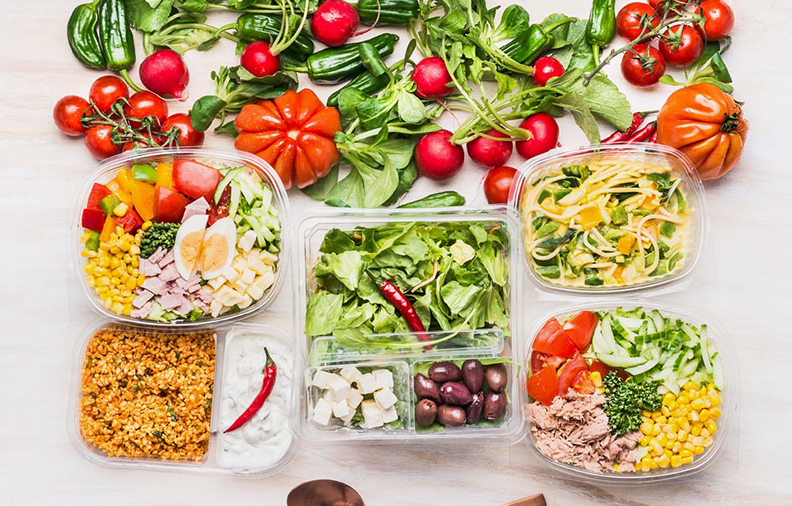
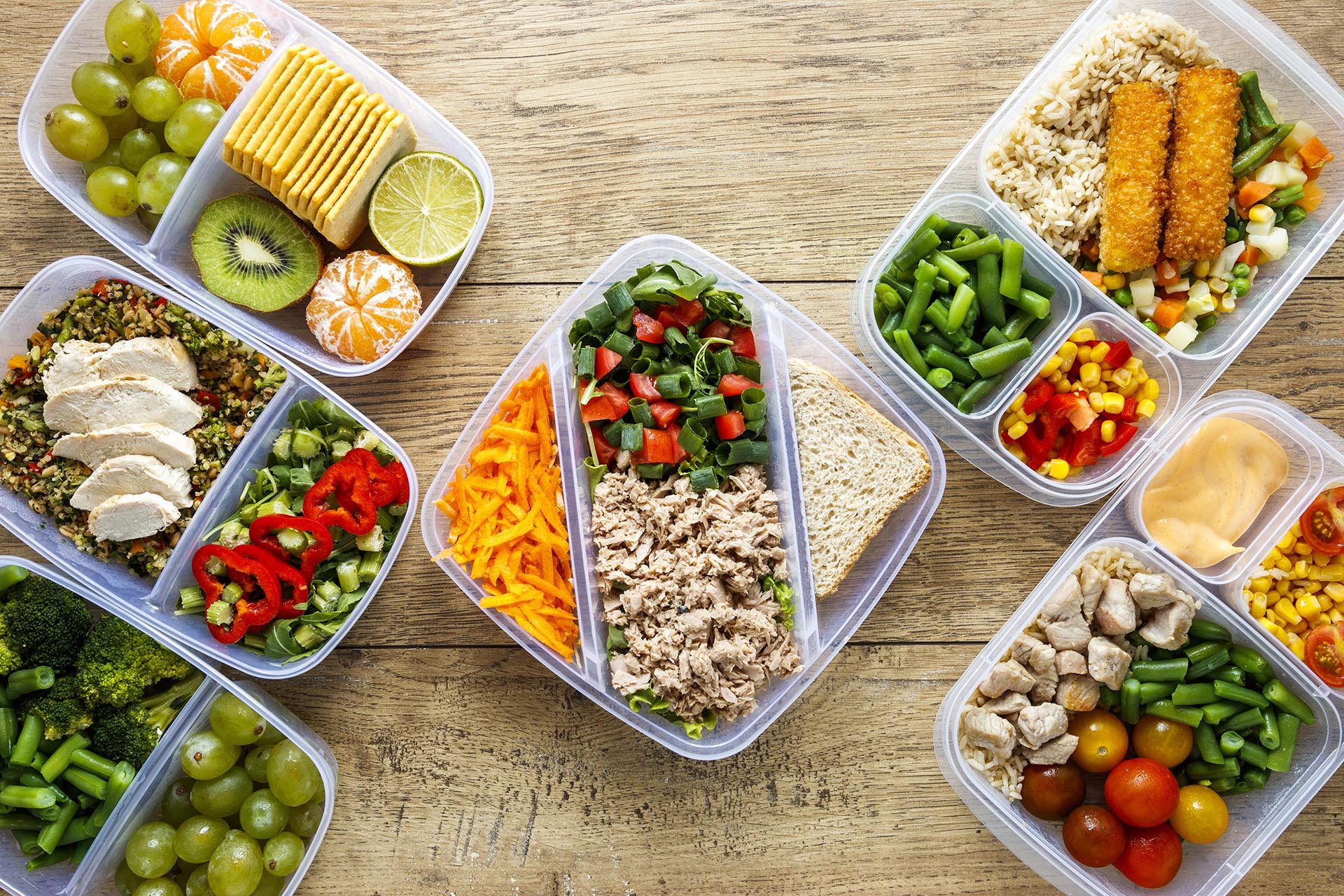
Chemical compatibility is especially important for businesses that use display containers in food-adjacent or hygienic environments. Not all PVC plastic boxes are food safe, as some formulations contain plasticizers such as phthalates that can leach into food products. When sourcing food safe boxes, it is essential to verify that the PVC used is labeled food-grade and plasticizer-free.
Acrylic, while generally inert, is also not inherently certified for direct food contact unless specifically manufactured to food-grade standards. For food display applications — such as bakery counters or confectionery showcases — always request documentation confirming that the plastic display box meets FDA or EU food contact material regulations.
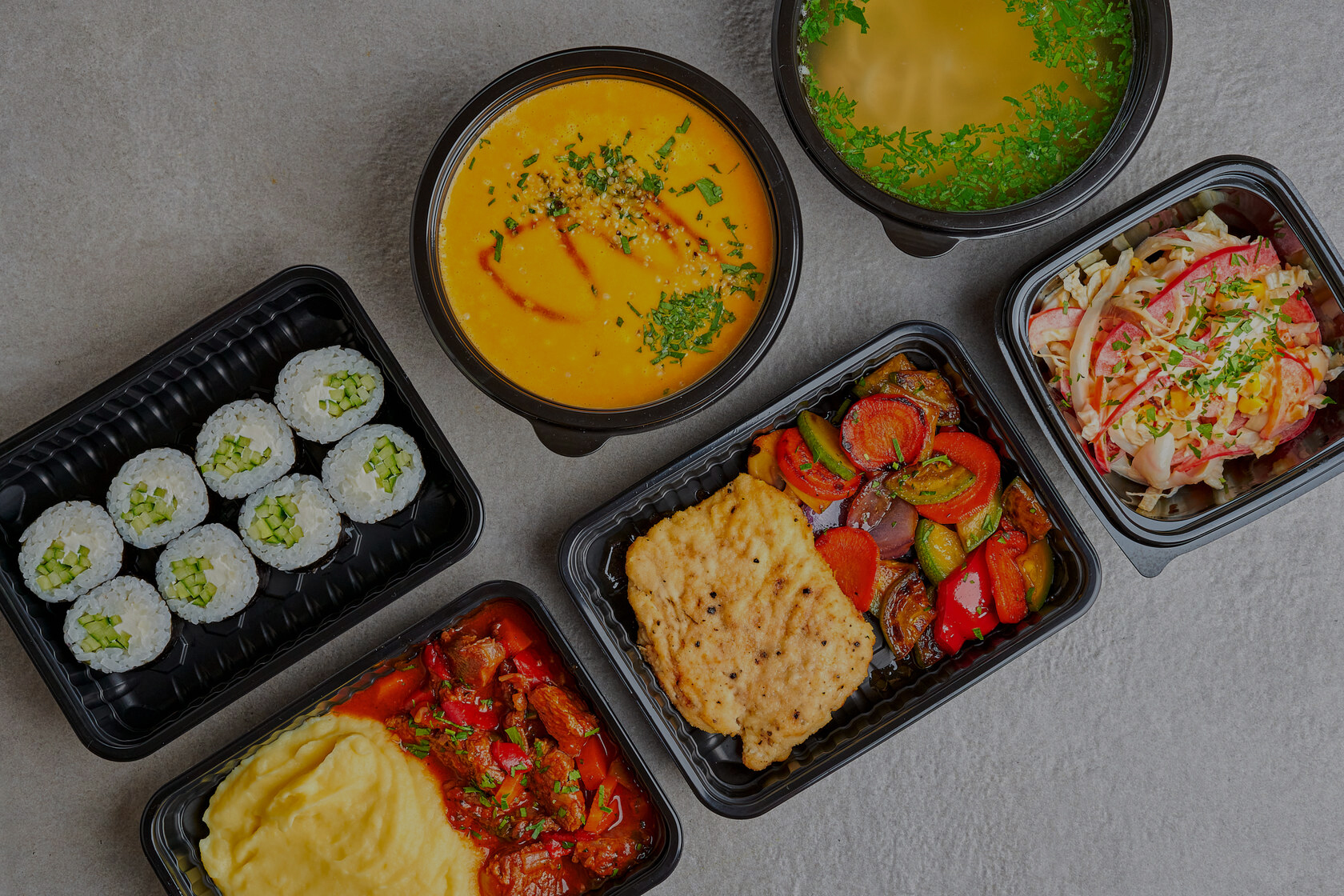
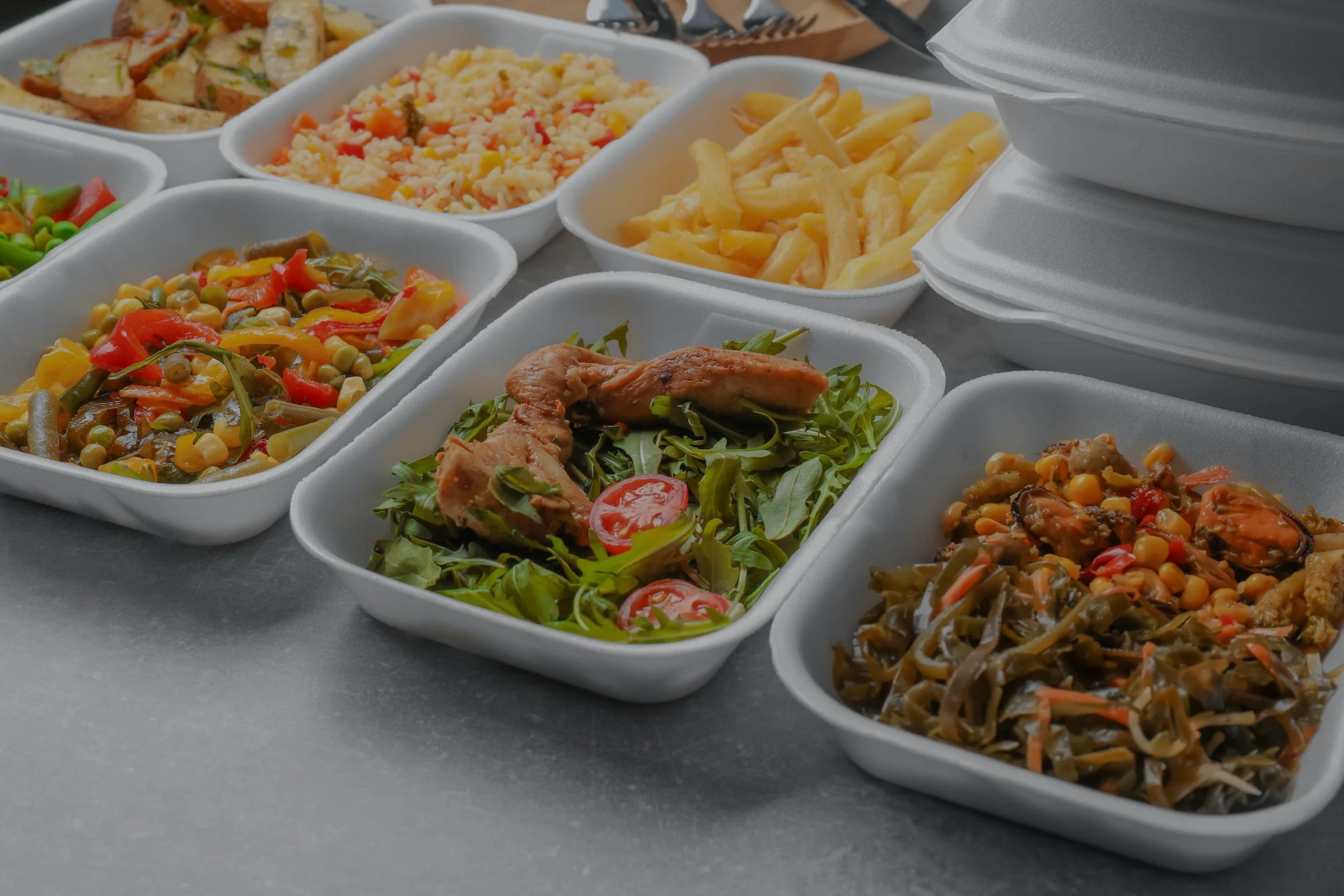
In applications like buffet setups or commercial kitchens, plastic trays made from food-grade PVC or acrylic are widely used alongside display boxes to create cohesive, hygienic presentation systems. These plastic trays must meet the same food safety standards as the display boxes themselves to ensure compliance in regulated environments.
Cost Differences and Value for Money
Cost is a practical consideration that often tips the decision in favor of one material over another. On average:
- A standard acrylic plastic display box (e.g., 20cm × 20cm × 20cm) typically costs $8–$25 depending on thickness and finish.
- A comparable PVC plastic display box of similar dimensions generally costs $3–$12, making it 30–50% cheaper on average.
- Custom-sized or branded acrylic display boxes can exceed $50–$100 per unit for retail or museum-grade applications.
While PVC plastic display boxes offer immediate cost savings, the longer lifespan and superior appearance of acrylic often provide better return on investment for businesses that prioritize brand presentation and product visibility over time.
Environmental Impact and Recyclability
Environmental considerations are becoming increasingly important in purchasing decisions. PVC is one of the more controversial plastics from an environmental standpoint — it is difficult to recycle, and its production and incineration can release harmful chlorine-based compounds. Many municipalities do not accept rigid PVC plastic display boxes in standard recycling streams.
Acrylic, while also not biodegradable, is considered more environmentally favorable in comparison. It is easier to recycle through specialist processors, and some manufacturers now offer recycled acrylic plastic display boxes that reduce the demand for virgin materials. For businesses with sustainability goals, this can be a meaningful differentiator.
Additionally, because of its longer service life, an acrylic plastic display box inherently generates less waste over time compared to a PVC alternative that may need replacement every few years.
Which Plastic Display Box Should You Choose?
The right choice between an acrylic and a PVC plastic display box depends on your specific use case, budget, and display environment. Use the guide below to make a quick decision:
- Choose acrylic if you need maximum clarity, long-term durability, UV resistance, or a premium appearance for high-value items.
- Choose PVC if you need a cost-effective, flexible solution for short-term retail displays, packaging, or environments where the box will be frequently replaced.
- For food-related displays, always confirm that the selected material — whether acrylic or PVC — is certified food-safe before use alongside food safe boxes or plastic trays in your setup.
- For sustainability-focused buyers, acrylic's longer lifespan and recyclability make it the more responsible long-term investment.
The acrylic plastic display box is the superior choice when quality, clarity, and longevity are priorities. The PVC plastic display box holds its own in budget-conscious or high-turnover retail contexts. Knowing exactly where and how you intend to use your display box will always lead you to the right material decision.



 English
 عربى
عربى Español





 Custom PVC Blister Plastic Boxes Manufacturers
