When it comes to keeping sushi at the right temperature, a standard sushi food container and a vacuum-insulated lunch box serve very different purposes. The short answer: a vacuum-insulated lunch box outperforms a typical sushi food container in raw thermal retention — but that does not automatically make it the better choice for sushi. A well-designed sushi food container prioritizes structural protection, humidity balance, and portion presentation, which matter just as much as temperature when serving delicate rolls, nigiri, or sashimi.
This article breaks down how each product performs across the metrics that matter most to sushi lovers, caterers, and retailers choosing the right packaging solution.
How Insulation Works in Each Container Type
A vacuum-insulated lunch box uses a double-wall construction with a vacuum layer between the walls. This eliminates air as a medium for heat transfer, which is why these containers can maintain temperatures for 6 to 12 hours depending on quality. High-end models can keep hot food above 60°C for over 8 hours or cold food below 10°C for 12 hours.
A sushi food container, by contrast, is typically made from single-wall polypropylene (PP), PET, or biodegradable pulp materials. These offer minimal thermal insulation — most lose thermal equilibrium with the environment within 30 to 60 minutes. However, some premium sushi food containers include thin foam lining or insulated lids that extend this window to around 90 minutes, sufficient for short-distance delivery or dine-in service.
Temperature Retention: A Direct Comparison
| Feature |
Sushi Food Container |
Vacuum-Insulated Lunch Box |
| Wall Construction |
Single-wall (PP/PET/pulp) |
Double-wall with vacuum layer |
| Cold Retention |
30–90 minutes |
8–12 hours |
| Hot Retention |
20–45 minutes |
6–10 hours |
| Humidity Control |
Moderate (vented or semi-sealed) |
High (fully sealed) |
| Interior Compartments |
Flat or segmented trays |
Usually single chamber |
| Suitable for Sushi Presentation |
Yes — purpose-built |
Limited |
| Average Weight |
50–200g |
400–900g |
| Reusability |
Single-use or limited reuse |
Long-term reuse (years) |
| Cost Range |
$0.20–$3.00 per unit |
$20–$80 per unit |
Table 1: Side-by-side comparison of sushi food container vs. vacuum-insulated lunch box across key performance metrics
Why Sushi Has Unique Temperature Requirements
Sushi rice should ideally be served between 20°C and 25°C — room temperature, not refrigerator-cold or hot. Ironically, both extremes harm the eating experience. Cold rice becomes hard and loses its seasoned aroma; overheated rice turns sticky and can compromise raw fish safety.
This is where the vacuum-insulated lunch box creates an unexpected problem: it is too good at retaining temperature. If sushi is placed in a vacuum-insulated box while still cold from the refrigerator, it may stay too cold for too long. Unless the user pretempers the food or the box, it can actually be counterproductive for sushi specifically.
A sushi food container, in contrast, naturally equilibrates with room temperature over 30 to 60 minutes — which often aligns well with typical delivery windows or short-term service intervals. For a sushi takeaway box used in restaurant delivery, this mild thermal drift can actually help sushi reach optimal serving temperature by the time it arrives at the customer's location.
Structural Design: Protecting Rolls and Presentation
One area where a sushi food container clearly outperforms a vacuum-insulated lunch box is structural design tailored to sushi's physical characteristics. Sushi rolls, nigiri, and sashimi are fragile — toppings shift, garnishes bruise, and rolls can lose their shape under pressure.
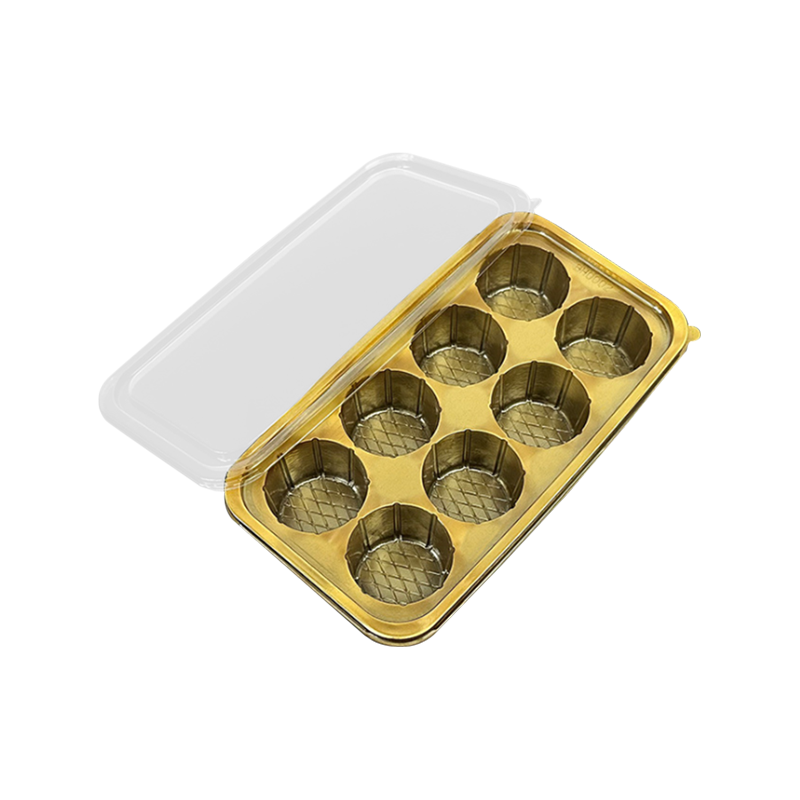
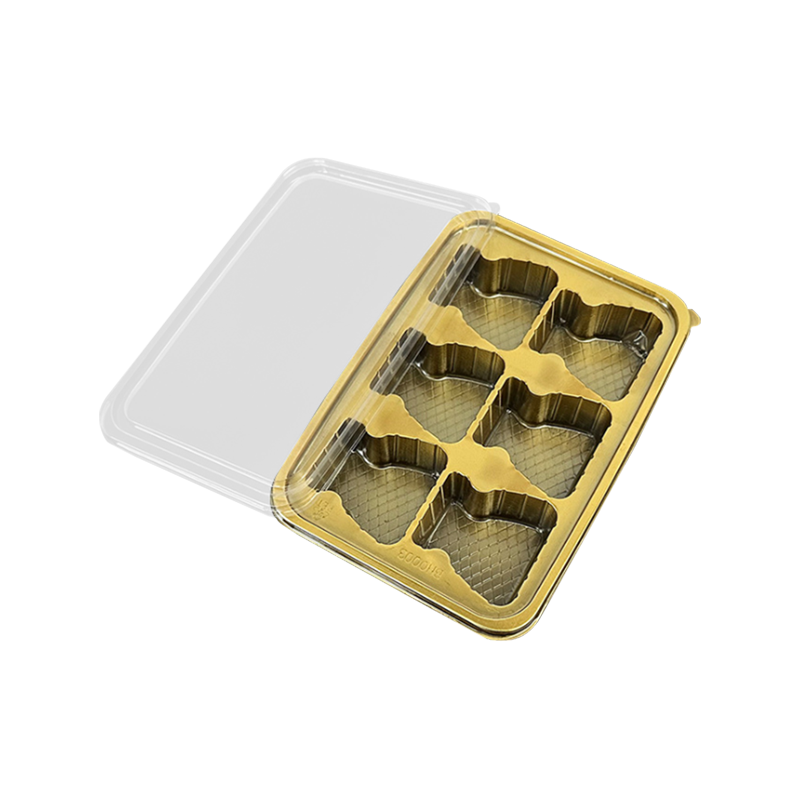
Features typical in a quality sushi food container:
- Flat, wide interior designed to lay rolls side by side without stacking
- Separate compartments for condiments such as ginger, wasabi, and soy sauce
- Transparent or semi-transparent lids for visual appeal and product visibility
- Low-profile design that reduces vertical movement during transport
- Secure snap-lock lids to prevent shifting without crushing contents
A vacuum-insulated lunch box typically offers a single cylindrical or rectangular chamber with no interior organization. Placing sushi pieces inside risks them tumbling during transport, which defeats the purpose of premium packaging. For a sushi takeout box used in retail or restaurant contexts, presentation is a non-negotiable part of the experience.
Humidity and Rice Texture: An Overlooked Factor
Humidity control is another dimension often overlooked in packaging discussions. Sushi rice requires a precise moisture balance — too dry and it crumbles; too moist and it turns mushy or promotes bacterial growth on raw fish.
Vacuum-insulated lunch boxes are hermetically sealed, which traps condensation inside. Over a few hours, this creates a micro-environment with elevated humidity levels — potentially softening the nori (seaweed) wrapping and making the rice texture unpleasant. This is a well-documented issue with sealed insulated containers for sushi storage.
A quality sushi food container addresses this with semi-vented or micro-perforated lids that allow minimal airflow, preventing condensation buildup while still offering structural protection. This design is specifically optimized for Japanese food formats where texture is as critical as flavor.
Best Use Cases for Each Container
Choosing between these two products should be driven by your specific use case, not just thermal performance metrics alone.
Choose a sushi food container when:
- Operating a restaurant, catering service, or retail food counter that packages sushi for same-day consumption
- Delivery window is under 60 minutes and ambient temperature is controlled
- Presentation and visual appeal are important to the customer experience
- Cost-per-unit matters at scale — a sushi takeaway box typically costs a fraction of a reusable insulated container
- You need lightweight packaging that does not add burden to delivery bags
Choose a vacuum-insulated lunch box when:
- Transporting sushi over long distances (over 90 minutes) in hot or cold climates
- You are a personal user bringing meal-prepped sushi to work or school
- Environmental sustainability is a priority and you prefer a long-term reusable option
- The food content is a cooked sushi component (e.g., tamago, edamame) rather than raw fish that requires precise temperature handling
The Hybrid Approach: Combining Both Solutions
For high-end catering or long-distance delivery services, some operators use both products in tandem. The sushi food container holds and presents the product correctly, while an outer insulated delivery bag (or insulated box) provides the thermal buffer. This separates the two functions — structural presentation and thermal insulation — and optimizes each independently.
For example, a caterer delivering a platter across a city might place individual sushi takeout boxes inside a commercial-grade insulated carrier set to 18°C. Each sushi food container maintains roll integrity and portion separation, while the carrier handles temperature stability over the 2-hour transit window.
On thermal retention alone, a vacuum-insulated lunch box wins decisively — it can hold temperatures four to ten times longer than a standard sushi food container. But for sushi specifically, this metric is not the most critical factor. Sushi requires room-temperature serving conditions, structural protection, humidity balance, and presentational quality — all areas where a purpose-built sushi food container excels.
For commercial use — restaurants, food halls, or delivery platforms — a well-engineered sushi food container remains the most practical, cost-effective, and product-appropriate choice. For personal use over extended periods or challenging environments, pairing a sushi container with an insulated outer bag delivers the best of both worlds.
Understanding what each container is designed to do — and matching that to your actual use case — will always produce better results than chasing a single performance metric like insulation time.



 English
 عربى
عربى Español



 Custom PVC Blister Plastic Boxes Manufacturers
