A bakery owner once asked us whether a plastic food tray could support a three-tier cake for a weekend delivery. The honest answer is that a plastic food tray can typically carry 5 to 15 kilograms when the load is evenly spread, but the real capacity depends on material, wall thickness, geometry, temperature, and whether the tray is carried by hand or sits on a shelf. For most bakery, sushi, and takeaway packaging, the trays used in food service are designed to hold the weight of the portion without visible bending, cracking, or leaking.
The Short Answer: How Much Does a Plastic Food Tray Carry?
In practical terms, a standard plastic food tray carries between 1 kg and 10 kg without structural damage, depending on its construction. Heavy-duty trays can exceed that range. A thin PS tray for cookies may be rated for less than 1 kg, while a reinforced PP tray for frozen food can support several kilograms in transit. The number that matters for your operation is not a single universal figure but the maximum load the tray can handle without unacceptable deflection, cracking, or loss of closure.
If you are choosing trays for cakes, sushi platters, meal prep containers, or hot takeaway meals, ask the supplier for a service load rather than a material name. A tray that works for a 200 g pastry could fail under a 1.5 kg cake if the base is thin or the span is wide.
Why There Is No Single Weight Rating
You will not find one standardized load rating printed on every disposable tray because manufacturers design each product for a specific job. The phrase "how much does a plastic food tray carry" is better asked as "how much weight will this tray carry under my conditions?" A few variables change the answer immediately:
- Material type and wall thickness
- Base geometry, ribs, and reinforcing features
- Temperature of the food and the surrounding environment
- Whether the load is concentrated in the centre or spread across the base
- How long the tray sits in storage, transport, or display
These variables explain why a transparent fruit tray and a black meal-prep tray can look similar in size but have very different carrying capacities. The tray is not just a flat sheet; it is a structure, and the structure carries the load.
Material Differences: PET, PP, and PS
The three main materials used for plastic food trays produce different behaviour under weight. PET offers clarity and rigidity, PP provides toughness with better resistance to repeated bending, and PS gives a stiff but more brittle surface. When everything else is equal, PP trays often carry heavy or dynamic loads best, PET trays suit transparent display packs, and PS trays remain economical for lightweight cold products.
Table 1. Typical load-related behaviour of PET, PP, and PS food trays
| Material |
Typical Load Behaviour |
Best Suited For |
| PET |
Rigid, clear, and stable under moderate loads; can carry decorated cakes and sushi platters without visible flex. |
Bakery items, sushi, fruit, and transparent display packaging. |
| PP |
Tough and resilient; handles hot food, cold storage, and repeated handling better than PET or PS. |
Frozen food, meal prep, multi-compartment trays, and hot takeaway meals. |
| PS |
Stiff and cost-effective, but more brittle under concentrated point loads. |
Pastries, cookies, dry snacks, and cold deli items. |
Temperature also changes the load capacity. PP holds its stiffness reasonably well in hot and cold conditions. PET becomes softer in very hot environments, and PS can crack or shatter if exposed to sudden impact at low temperatures. A tray that carries a 3 kg load at room temperature may not carry the same load after 30 minutes in a delivery vehicle on a hot day.
Geometry and Design: Why Shape Equals Strength
A flat, thin tray can flex under a small load, while the same material with a thicker wall, a reinforced rim, or embossed ribs can carry much more. The design distributes stress away from the centre and prevents the tray from bending when someone lifts it by the edges.
Key structural details that improve load capacity include:
- Thicker wall sections that spread stress across a larger area
- Ribs and embossed patterns that stiffen the base without adding much material
- Compartment walls that act as load-bearing beams
- Reinforced flanges that keep the tray level when lifted
- Cover or dome structures that add rigidity to the assembly
For example, a multi-compartment tray naturally carries a higher total weight than a flat tray of the same material because the dividers transfer some of the load toward the outer edges. This is why meal-prep and bento-style trays can handle rice, protein, and vegetables without deforming in the middle.
Real-World Carry Scenarios and Trays That Handle Them
Heavy Bakery Items
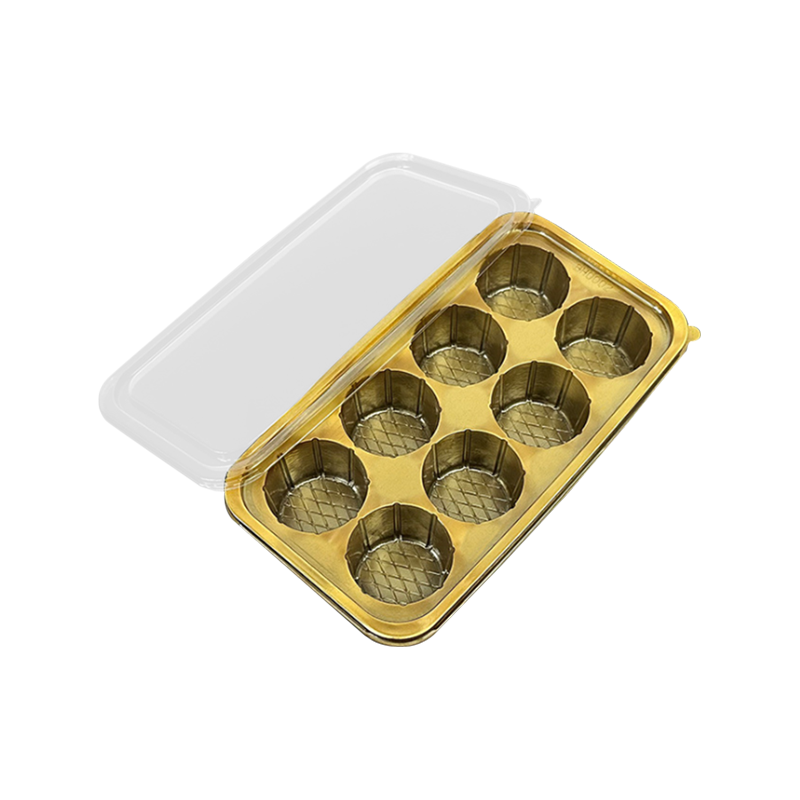
Dense cakes, cheesecakes, and stacked pastries place a concentrated load on the centre of the tray. A flat tray can dip or crack under these conditions, especially when the cake is carried with one hand. The thickened PP pastry tray solves this by using a stronger wall section that keeps its shape under a full cheesecake or layered dessert. If you need a dependable option for bakery display and transport, the thickened PP pastry tray is a practical choice.
Sushi and Display Platters
Sushi platters and fruit trays need a clear view of the product, but transparency should not come at the cost of strength. A transparent thick PET pastry tray combines clarity with enough stiffness to carry a full sushi or dessert platter without bending at the edges. It also handles the light moisture that comes from chilled food better than a thin tray with a weak base.
Multi-Item Meals and Meal Prep
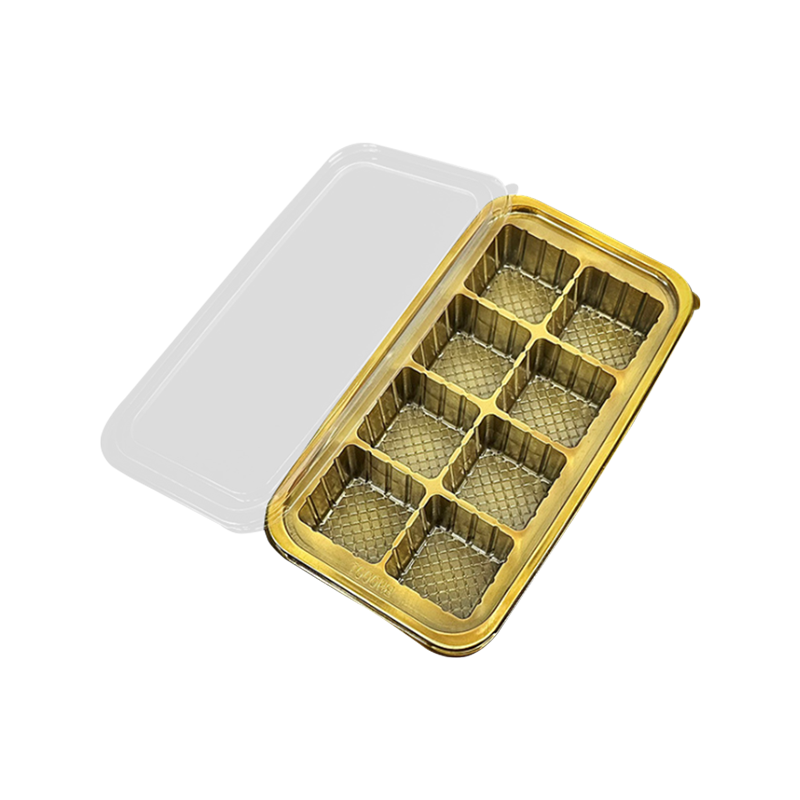
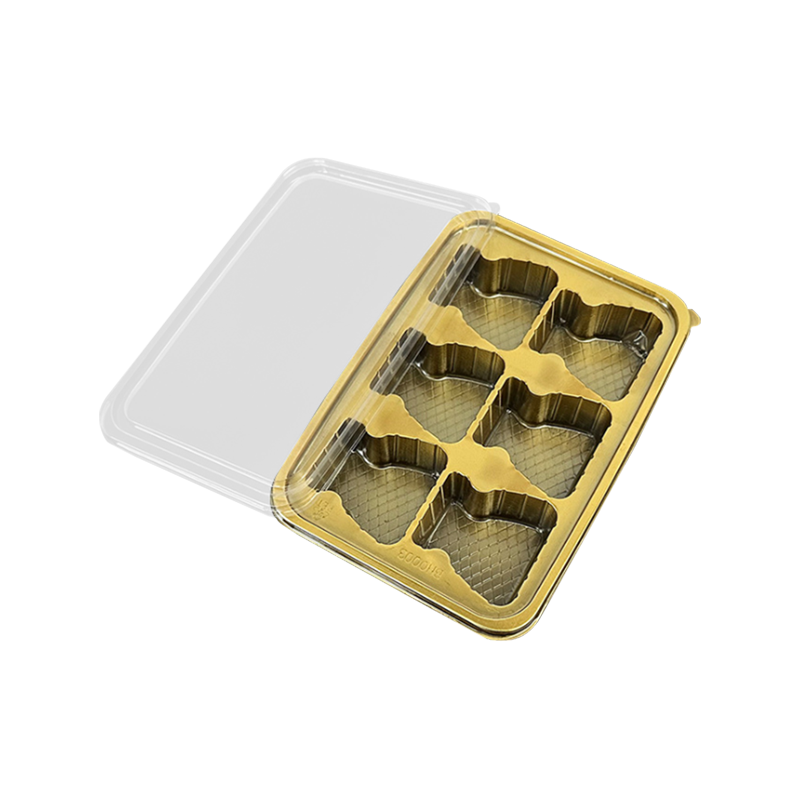
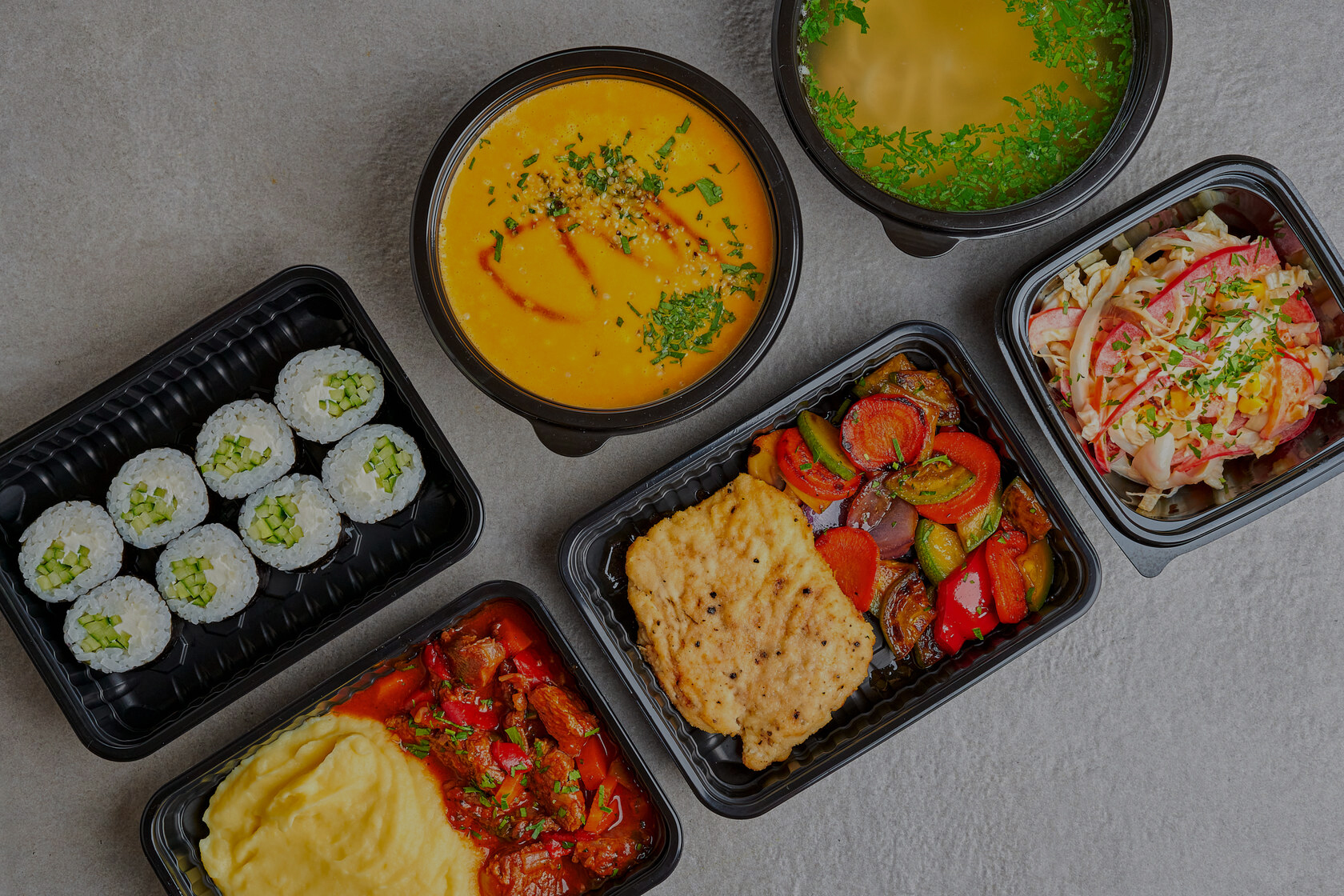
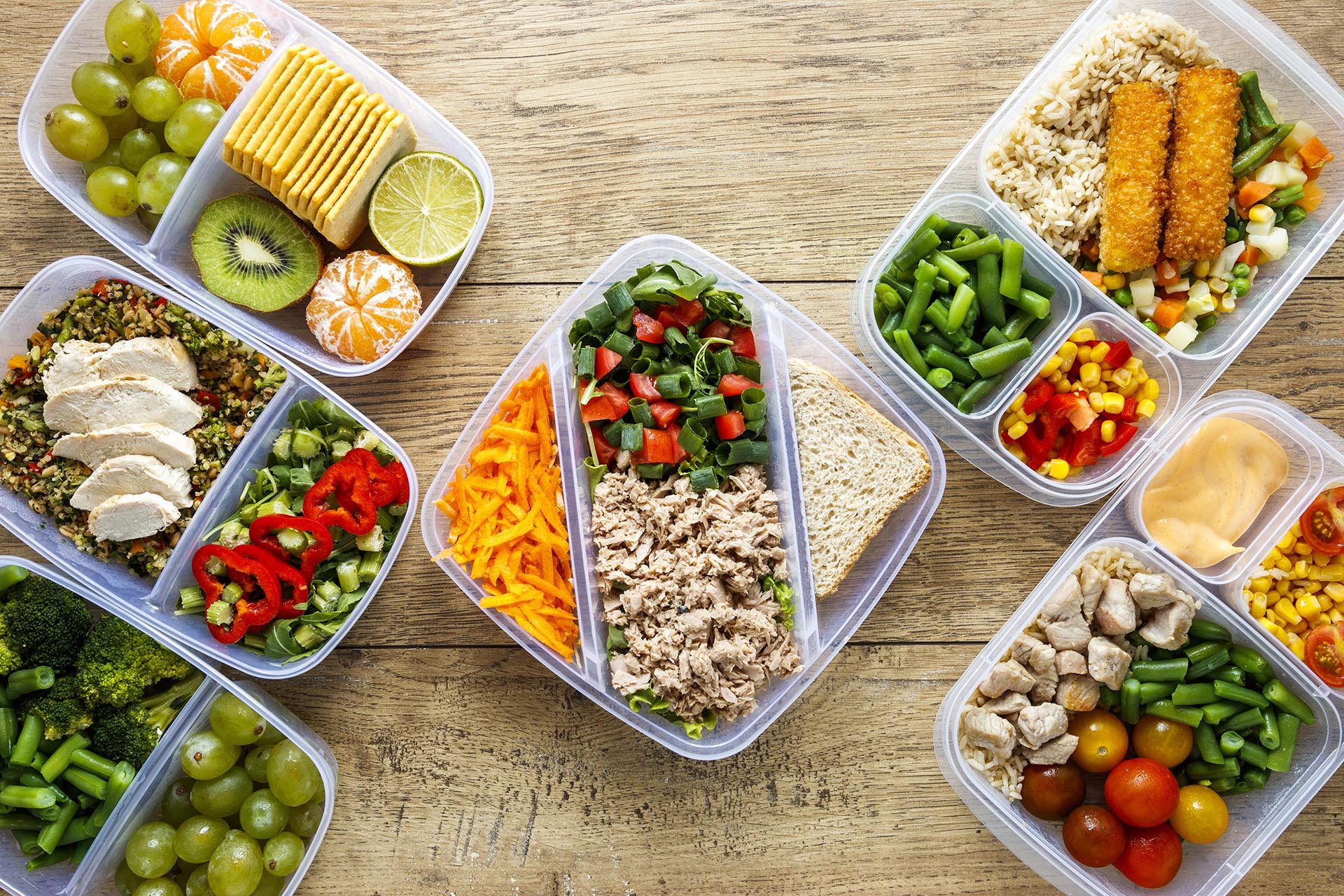
When a tray carries several portions with different textures and weights, the load is distributed unevenly. A multi-compartment separated packaging tray keeps rice, proteins, and vegetables in separate spaces, and the compartment walls add rigidity across the entire base. This design reduces the risk of the tray flexing in the middle and makes the package easier to carry securely.
How to Evaluate Load Capacity Before Buying
Instead of relying on a single number, test the tray the way you will use it. A supplier that manufactures trays in-house can normally explain the practical limits of each product. When you request samples, run the tray through your actual workflow:
- Place the heaviest food portion in the centre of the tray and lift it by the edges.
- Load the tray with packaging film or a lid to reproduce your final packed product.
- Stack filled trays as they would be stacked in storage or delivery.
- Test at your expected serving temperature, whether chilled, frozen, or hot.
- Check for cracks, permanent bending, or lid separation after handling.
This kind of test gives you a real "how much does a plastic food tray carry" answer for your specific product. It also reveals problems that a material data sheet will not show, such as poor edge stiffness or weak points around the compartments.
Practical Buying Guidance
Start with the intended application, not the cheapest tray available. For lightweight cookies and dry snacks, a standard PS tray may be sufficient. For heavy cakes and chilled platters, choose a thicker PET or PP tray. For hot takeaway and frozen products, PP is usually the safer material because it keeps its toughness across a wide temperature range.
When you compare options, check the wall thickness with a calliper and ask about edge reinforcement. Look at how the tray behaves once the food is added, not just when it is empty. A tray that looks elegant on a shelf may still flex when a caterer lifts it with one hand.
If you are planning an order and want to see the available options, browse the plastic food tray range to compare materials, shapes, and capacities before deciding.
The real question is not how much a plastic food tray can carry in theory, but how much it can carry in your kitchen, your delivery vehicle, and your customer's hands. Once you match the material and design to the actual load, a lightweight-looking tray can carry a surprisingly heavy meal with confidence.



 English
 عربى
عربى Español



 Custom PVC Blister Plastic Boxes Manufacturers
