


 English
 عربى
 Español
Choosing a Restaurant Plastic Food Tray Container That Works in Service
Restaurant packaging, considered
The Quiet Workhorse of Restaurant Service
A restaurant plastic food tray container is never just a tray. It shapes how food looks, how quickly a line moves, and how much waste comes back through the kitchen door.
Walk into a busy kitchen at service time and you will not hear anyone praise the tray. You will hear the pass calling orders, the fridge door closing, the click of a lid. That click is the real test. A good tray disappears into the rhythm of the restaurant; a poor one interrupts it with a cracked hinge, a fogged cover, or a leak in the delivery bag.
We spend a lot of time around food packaging because we make it, and the most useful lessons rarely come from a catalogue. They come from watching how a bakery stacks a display case, how a sushi counter sets out a lunch rush, or how a takeaway team closes hundreds of containers without slowing down. The material matters, but so does the moment the tray meets the hand.
This guide is for restaurant owners, kitchen managers, and packaging buyers who want fewer surprises. It covers the practical choices behind a restaurant plastic food tray container: material, closure, compartment design, menu fit, and the questions worth asking before a pallet arrives.
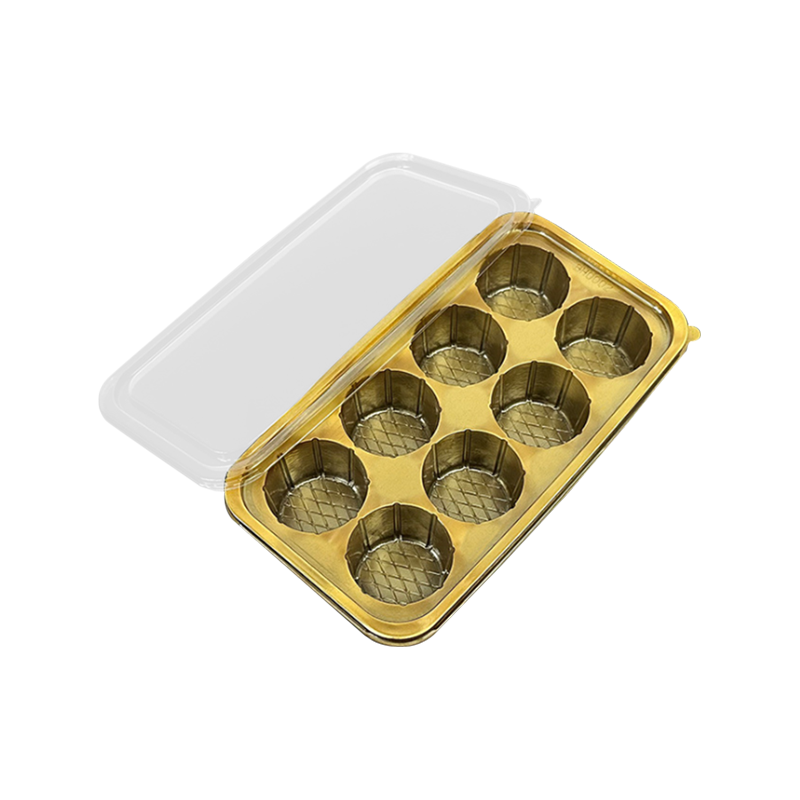
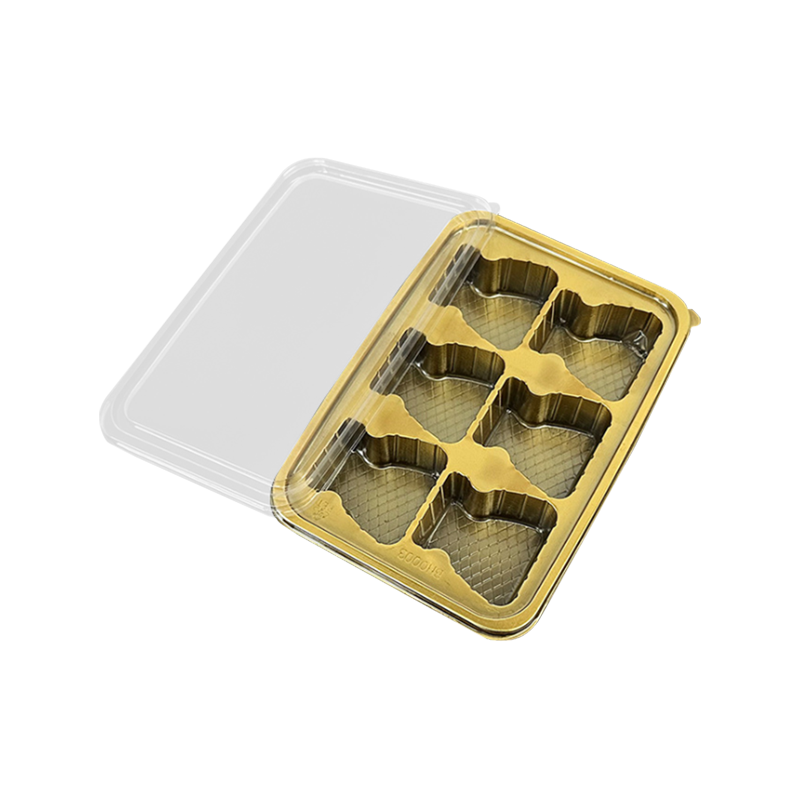
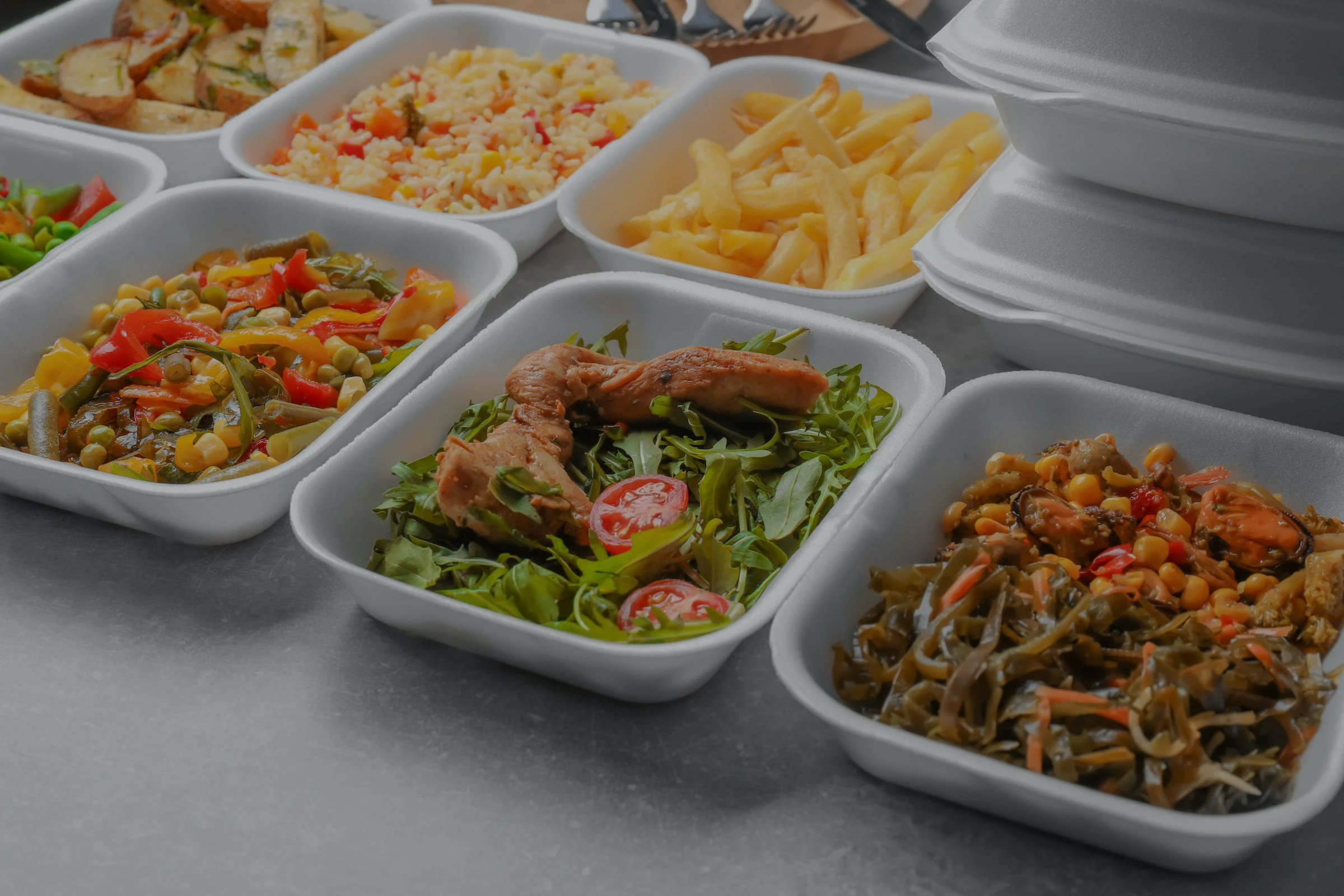
 Plastic Food Trays for Takeout and Food ServiceCompare PET, PP, and PS trays plus sushi, bakery, and frozen-food formats for restaurant takeout and catering packaging.View Product →
Material Choice: PET, PP, PS, and the Everyday Trade-offs
Material is where most tray decisions begin, but it is rarely a simple hierarchy. PET, PP, and PS each have a temperament. PET gives you glass-like transparency and crisp edges, which is why it appears so often in chilled bakery and sushi displays. PP is the calm workhorse for hot food, microwave reheating, and hinges that need to survive repeated opening. PS sits at the value end for cold service, with a clean look and dependable stiffness.
The mistake is choosing one material for every part of the menu. A restaurant that serves both hot lunch bowls and cold sashimi may need two tray families, not one compromise. If you want a deeper look at PP performance in food service, read a closer look at PP tray performance.
| Material | Best for | Service strengths | Watch-outs |
|---|---|---|---|
| PET | Clear lids, chilled displays, bakery | High clarity, good rigidity, crisp presentation | Can crack under sharp impact; not ideal for high heat |
| PP | Hot food, microwavable takeaway, frozen items | Heat tolerance, flexible hinge life, dependable seal | Less glass-like clarity than PET |
| PS | Cold deli, sushi, cost-sensitive cold service | Crisp look, low cost, good dimensional stability | Limited heat resistance; can be brittle |
Temperature is the next filter. A tray that performs beautifully at 4°C may soften under a heat lamp or become brittle in a blast freezer. Ask for the full service range, not just a single test point.
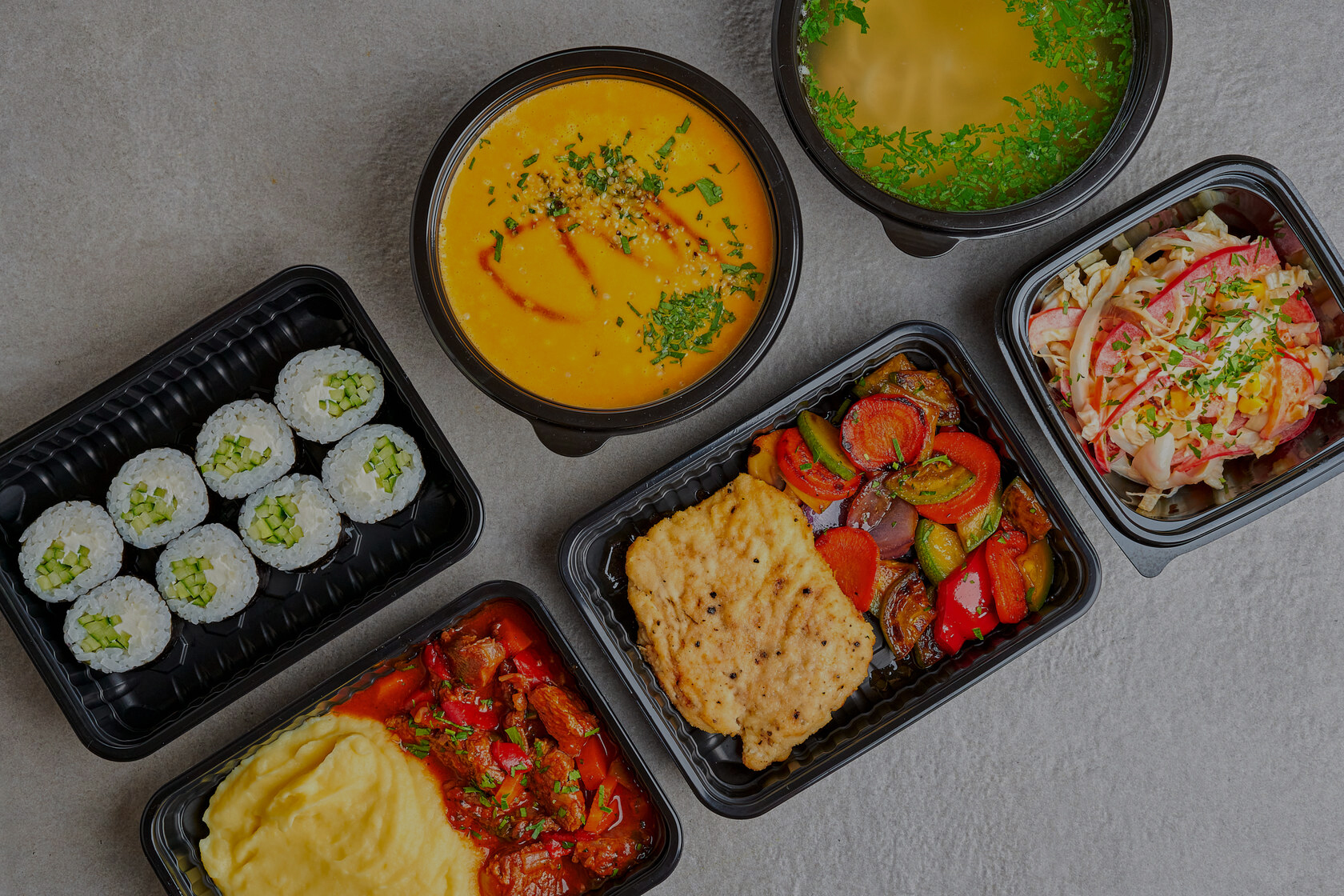
 Disposable Black Lunch Box with Lid for TakeoutA sealed black takeout container for hot or cold meals, salads, sushi, and cakes, with a smooth inner surface and size suited to delivery.View Product →
Design Details That Change Service Speed
A tray can look almost identical to another and behave completely differently on the line. The difference is usually in the details: the lid, the rim, the hinge, the vent, the stack shoulder.
- Closure first. A snap lid that needs two hands and a prayer is a bottleneck. Look for a positive click, a visible seal, and a lid that can be opened without cracking the base.
- Anti-fog matters more than most buyers expect. In chilled displays, condensation can turn a fresh salad into a cloudy mystery. An anti-fog cover keeps the food legible.
- Anti-overflow rims are not a luxury for saucy food. They buy the kitchen a few seconds of forgiveness when a scoop goes slightly over.
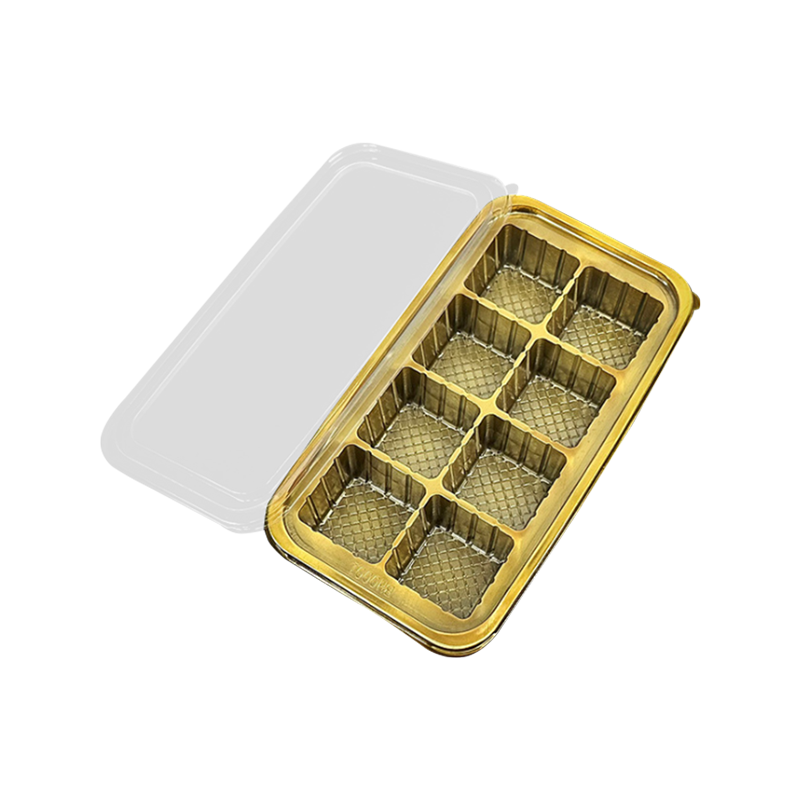
- Compartment layouts should follow the menu, not the other way around. A three-grid tray can separate rice, protein, and pickles; a nine-grid tray suits candy or shared snacks.
- Stackability is a revenue issue. Trays that stack securely save shelf space in the walk-in and keep delivery bags stable.
In a busy restaurant, a tray earns its keep in seconds by closing cleanly, stacking without a wobble, and showing the food as it is.
We often tell buyers to test a tray with the actual food, not a mental image of it. A lid that seals perfectly over an empty base may struggle when the base is warm, wet, or filled to the brim.
A premium look cannot rescue a slow closure. If the kitchen needs a second hand to seal the lid, the true cost is already on the labor line.
 Disposable Black Sushi Tray with LidRectangular sushi and sashimi tray with a raised edge and sealing lid, suited to neat display and spill-resistant takeaway transport.View Product →
Matching the Tray to the Menu
The most useful packaging brief is a menu, not a category. A tray that suits a bakery counter may be wrong for a hot curry. Here is how the fit usually breaks down.
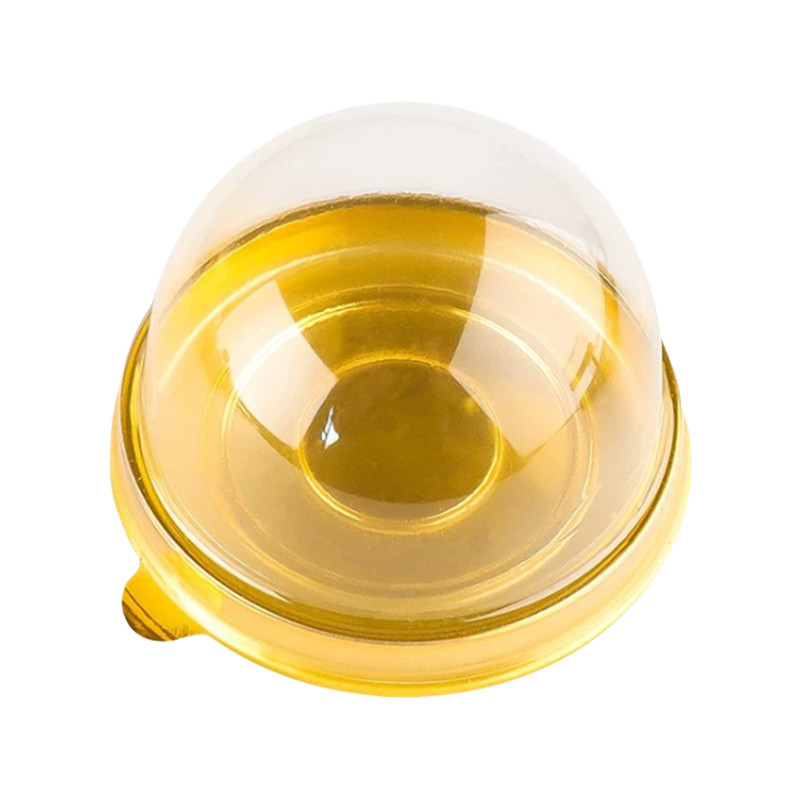
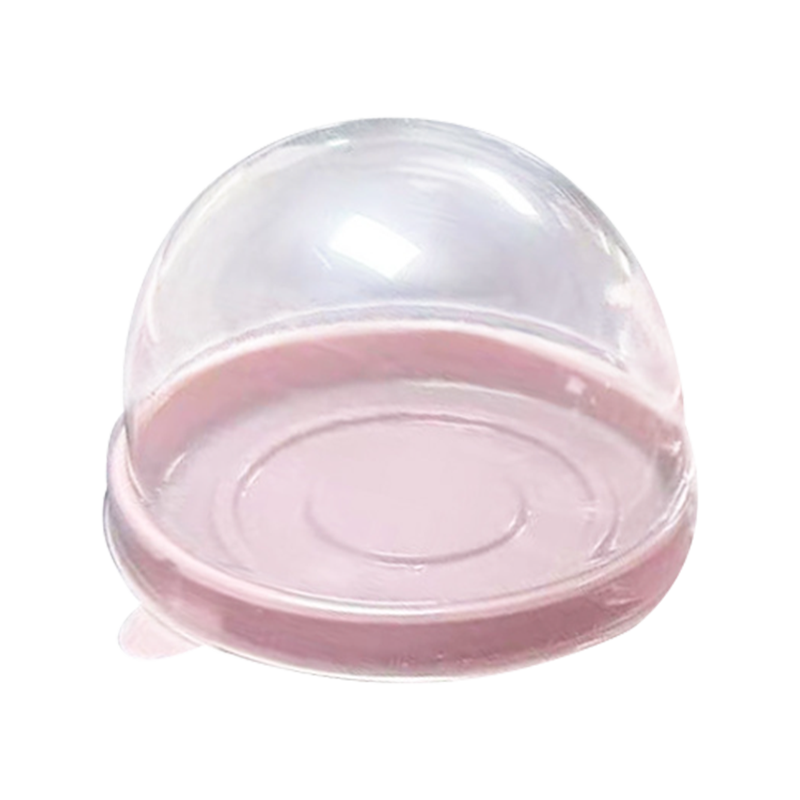
- Bakery and pastry: clear PET or rigid PP with dome lids, so the crumb and finish stay visible without being crushed.
- Sushi and sashimi: black bases, fan-shaped or rectangular formats, and clear anti-fog covers that let colour and texture read cleanly.
- Salads and cold deli: shallow bowls and trays with anti-fog lids, a stable base, and a seal that survives a delivery bag.
- Hot takeaway: PP containers with secure lids, microwave tolerance, and a rim that resists sauce creep.
- Frozen food: thicker walls and tested low-temperature performance; a tray that cracks in the freezer is an expensive lesson.
For chilled menus, our PET food tray range shows how clarity and rigidity work together in display-led service. The right answer is not the most premium tray on the table; it is the one that supports the way the kitchen plates, stores, and hands off food.
Do not assume a clear tray is freezer-ready. Low-temperature brittleness can turn a careful display into a cracked base before service begins.
Portion size matters too. A tray that looks generous at the design stage can feel cramped once the food is placed. It is better to test with a real scoop, a real ladle, and a real pair of gloved hands.
The best tray is the one the kitchen forgets to complain about. It closes, stacks, displays, and travels without asking for attention.
Procurement Questions Worth Asking
By the time a tray reaches the kitchen, most costs are locked in. That is why procurement conversations should happen early, with clear questions and samples in hand.
- What is the full temperature range, from freezer to hot holding?
- Is the lid tested with the base under a full load, not empty?
- Which material is used, and can the supplier explain the trade-offs in plain language?
- Are the compartments sized to the actual portions, or only to the drawing?
- What is the minimum order, lead time, and replacement plan for damaged moulds?
- Can the tray be printed or labelled without interfering with the seal?
A supplier who only answers with a price is not answering the whole question. Good packaging partnerships leave room for mould adjustment, material substitution, and small design changes that make a real difference on the line.
Avoid buying a lid fit on assumption. A lid that works with one base does not automatically work with another, even when the material is the same.
We also encourage buyers to ask about the less visible parts of supply: consistent sheet thickness, stable colour batches, and a clear response when something goes wrong. A tray is a small object, but it sits inside a larger promise that the food will arrive as it left the kitchen.
A Calmer Way to Choose
The restaurant plastic food tray container has a modest job, but it touches almost every part of service. It protects food, frames it, and keeps the line moving. When it works, no one notices. When it fails, everyone does.
Start with the menu, then the material, then the closure. Test with real food and real hands. Ask for samples before the pallet, and keep the conversation honest about temperature, portion size, and the way the kitchen actually works.
That approach rarely produces a dramatic packaging story. It produces something better: fewer leaks, fewer cracked lids, faster service, and a tray that earns its place without asking for applause.



- The company requires rigorous, using a high starting point, trustworthy, quality, and actively develop and innovate, the pursuit of excellence route!
CONTACT US
- Tel: +86-15026677788
- E-mail: [email protected]
- Add: No.11 Huafeng Road, Anhua Community, Anhua Town, Zhuji City, Shaoxing, Zhejiang, China
GET A QUOTE
Copyright @ Donghang Polymer Material Technology Co., Ltd. All Rights Reserved.
 Custom PVC Blister Plastic Boxes Manufacturers
