The clear answer is that a Plastic Packaging Box is significantly more suitable than a cardboard packaging box for humid storage environments. In conditions where moisture, condensation, or high humidity are present, cardboard quickly absorbs water, loses structural strength, and becomes prone to deformation or mold growth. In contrast, plastic materials maintain structural integrity and resist water penetration, making them a more reliable long-term storage solution.
While cardboard may still be useful in dry, short-term applications, it is not designed for environments where humidity exceeds 60–70% relative humidity for extended periods. Plastic alternatives, including packaging transparent boxes, are engineered for stability and moisture resistance, making them the preferred choice in logistics, warehousing, and food-related storage applications.
Moisture Resistance and Environmental Performance
One of the most important factors in humid storage is moisture absorption. Cardboard can absorb up to 30% of its weight in moisture under high humidity conditions, leading to rapid degradation of fiber structure. Once saturated, it loses up to 70% of its compressive strength, making it unsuitable for stacking or heavy loads.
A Plastic Packaging Box, however, is made from polymers such as polypropylene (PP) or polyethylene (PE), which are hydrophobic. This means water cannot penetrate the material easily. Even in environments with 90% humidity, plastic containers retain over 95% of their original structural strength. This makes them ideal for warehouses, basements, and tropical storage conditions.
In addition, plastic boxes are resistant to mold and mildew, whereas cardboard provides a nutrient-rich environment for fungal growth when damp.
Structural Strength and Long-Term Durability
In humid environments, structural degradation is one of the most critical issues for packaging materials. Cardboard begins to warp within hours of moisture exposure, especially at load-bearing points such as edges and corners. This leads to collapse risks during stacking or transport.
A Plastic Packaging Box maintains rigidity even under fluctuating humidity and temperature. High-quality plastic containers can endure repeated use cycles—often exceeding 200–500 reuse cycles depending on material thickness and application.
In contrast, cardboard boxes are typically single-use or limited-use, especially in environments with moisture exposure, where their lifespan can drop to less than one week under continuous humidity.
Food Storage and Hygiene Considerations
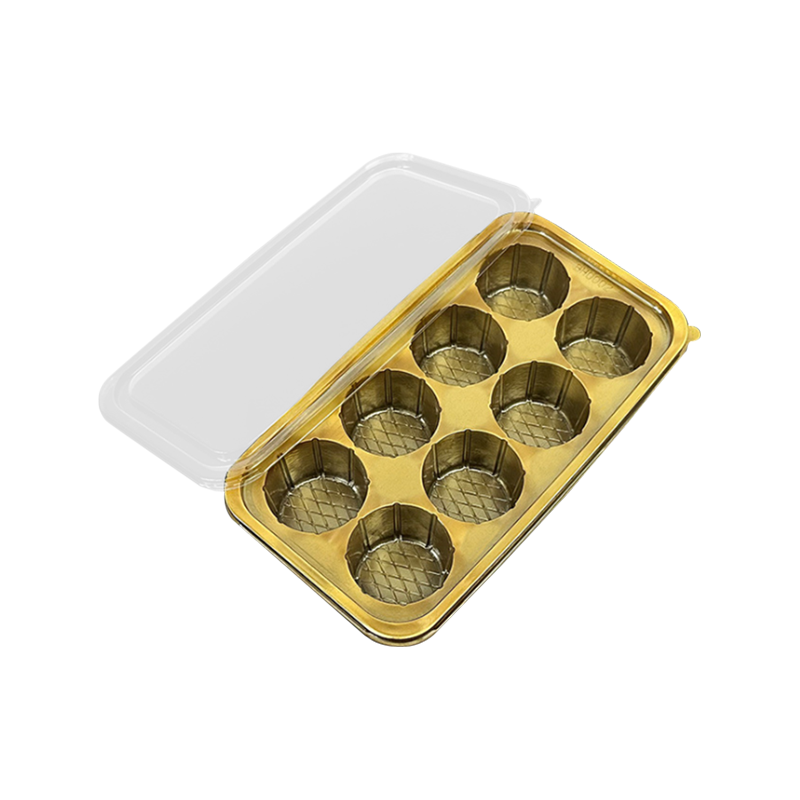
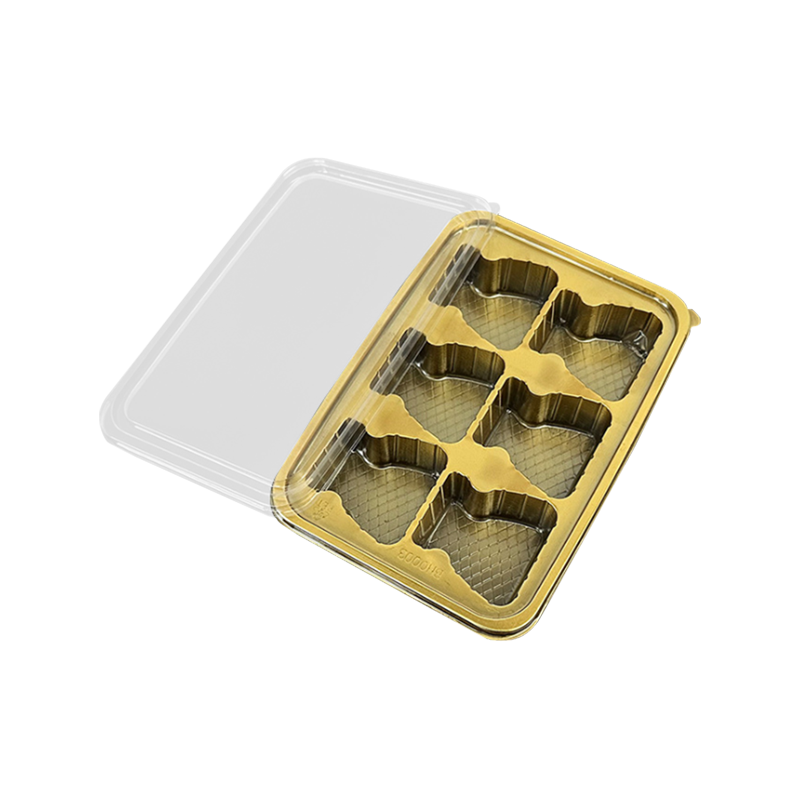
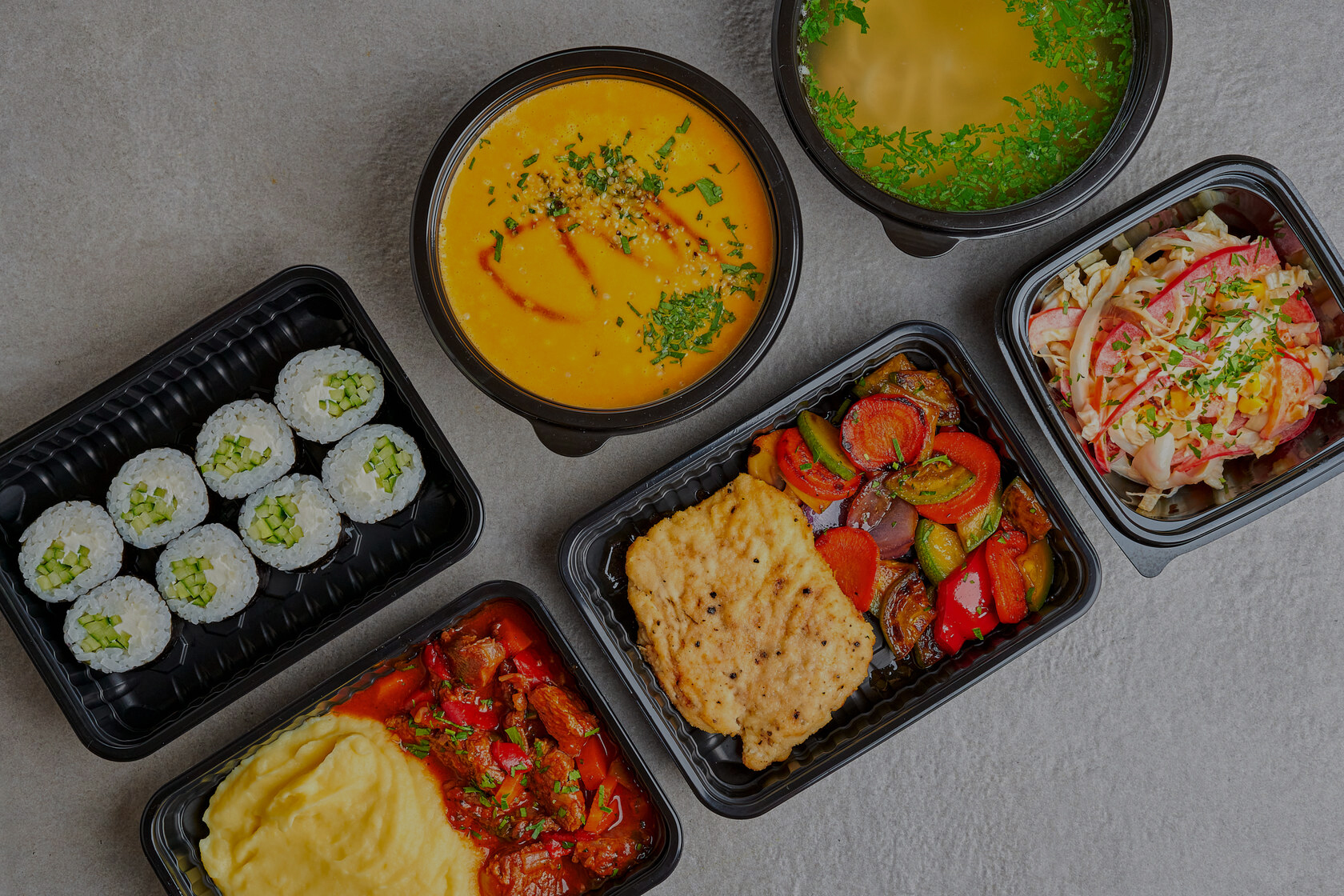
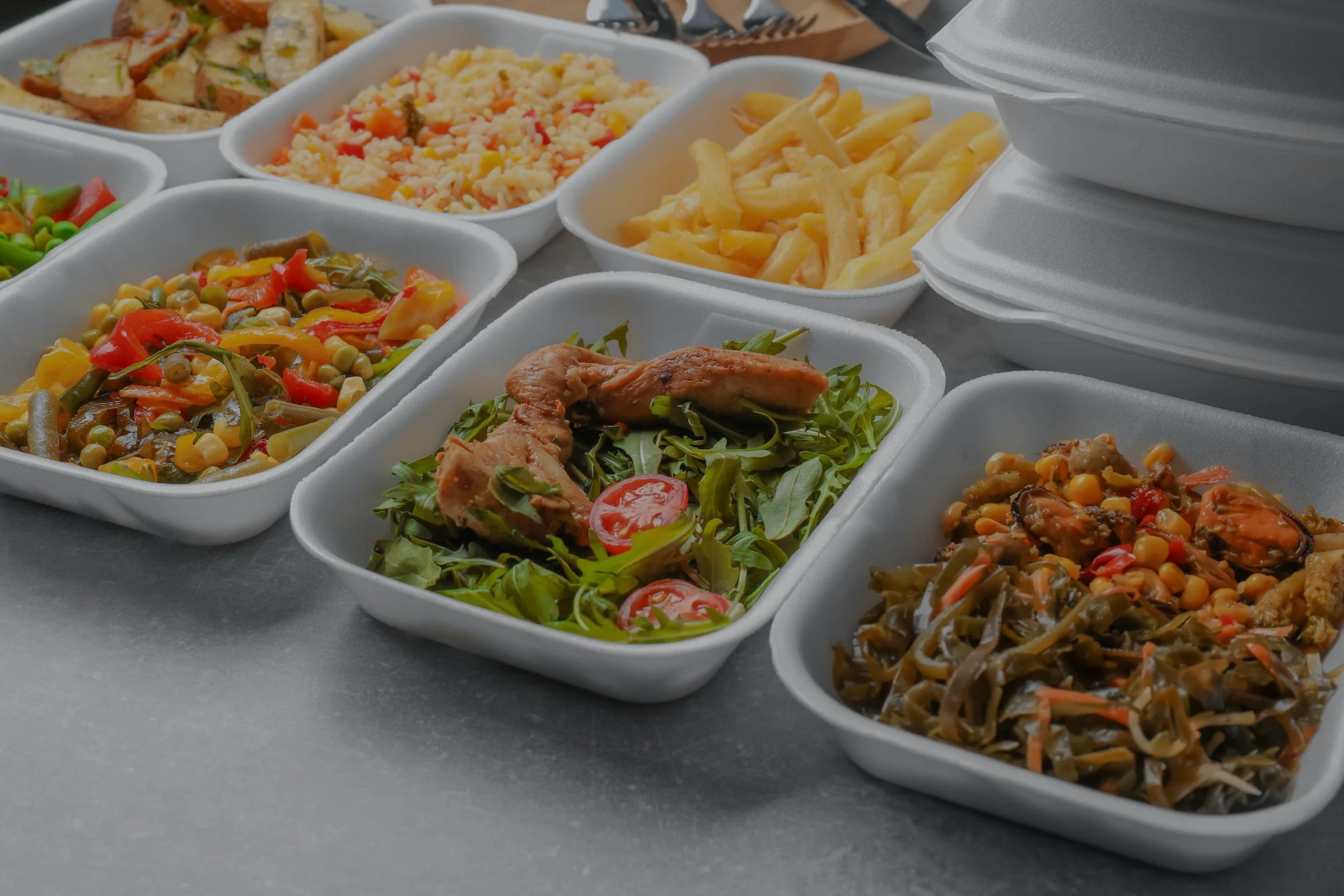
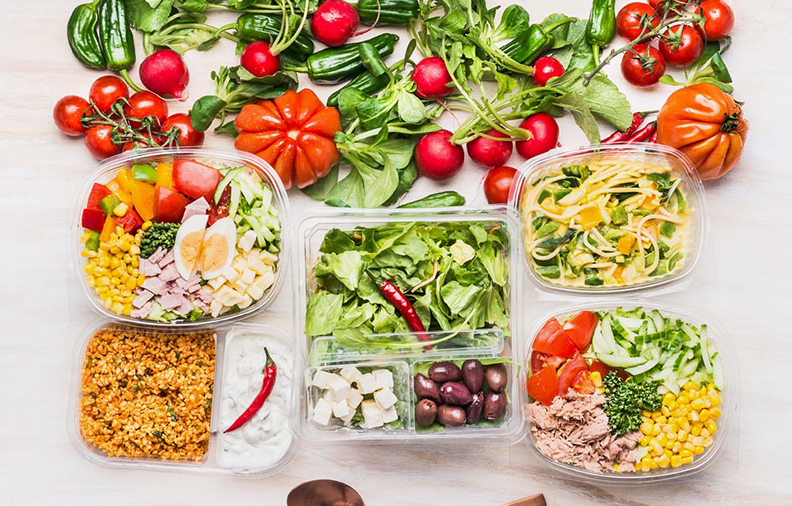
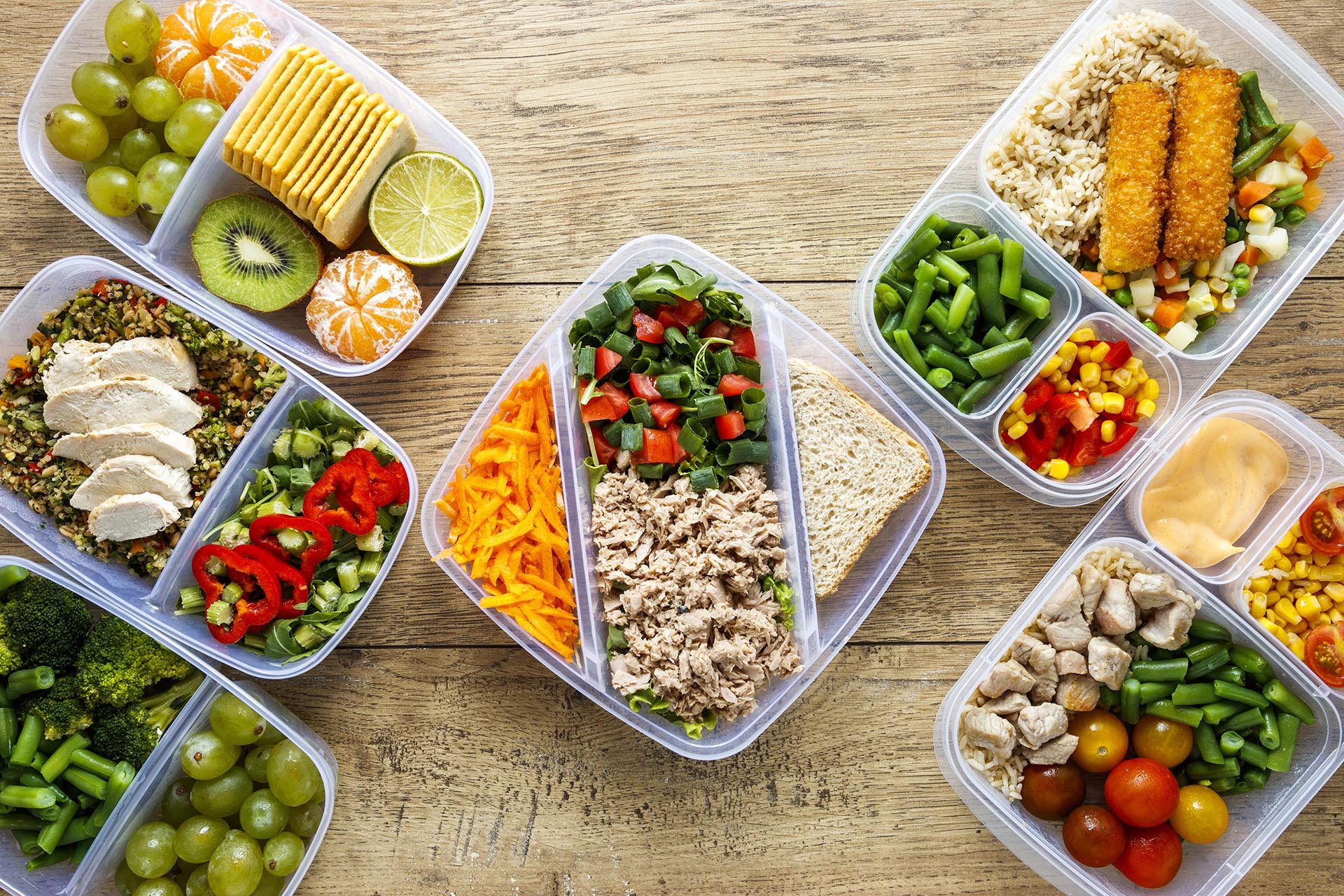
In food-related applications, humidity resistance becomes even more critical due to hygiene and contamination risks. A disposable plastic food container offers a sealed and moisture-proof environment, preventing external humidity from affecting food quality.
Cardboard packaging, on the other hand, absorbs moisture and can compromise food safety by allowing bacterial growth or structural breakdown. This is why cardboard is rarely used for long-term food storage unless combined with additional waterproof coatings.
Plastic containers are widely used in refrigerated and frozen environments because they remain stable at temperatures ranging from -20°C to 80°C, depending on polymer type.
Cost, Logistics, and Operational Efficiency
At first glance, cardboard appears cheaper than plastic. However, when evaluating long-term operational costs in humid environments, plastic proves more economical. A single Plastic Packaging Box can replace dozens of cardboard units over time.
Additionally, plastic containers—especially packaging transparent boxes—offer visibility benefits, allowing workers to quickly identify contents without opening the container. This improves warehouse efficiency by up to 20–30% in sorting operations.
Cardboard also requires frequent replacement due to wear, increasing hidden labor and material costs in logistics chains.
Practical Application Scenarios in Humid Environments
In real-world applications, Plastic Packaging Box systems are widely used in warehouses, coastal regions, and tropical climates where humidity is consistently high. They are also common in agricultural storage for seeds, tools, and moisture-sensitive products.
Cardboard boxes are typically limited to dry indoor storage or short-term shipping cycles. Once exposed to prolonged humidity above 70%, their reliability drops sharply.
For example, logistics companies operating in Southeast Asia or coastal Europe often switch entirely to plastic-based storage systems to avoid material failure during rainy seasons.
Comparative Overview Table
Comparison of Plastic Packaging Box and Cardboard Packaging in Humid Conditions
| Feature |
Plastic Packaging Box |
Cardboard Packaging Box |
| Moisture Resistance |
Very High |
Low |
| Durability |
200–500 reuse cycles |
1–10 cycles in humid conditions |
| Food Safety |
High with proper sealing |
Low in humid environments |
| Cost Efficiency |
High long-term value |
Low upfront cost but high replacement rate |
For any storage environment exposed to moisture or high humidity, the Plastic Packaging Box is the superior choice in nearly all performance categories. It offers better durability, hygiene, and long-term cost efficiency compared to cardboard alternatives.
While cardboard may still serve short-term or low-cost packaging needs, it cannot compete with the reliability and environmental resistance of plastic solutions, especially when integrated into modern logistics systems or used alongside disposable plastic food container solutions in food and industrial supply chains.



 English
 عربى
عربى Español



 Custom PVC Blister Plastic Boxes Manufacturers
