


 English
 عربى
عربى Español
How does a Plastic Food Tray compare to a Wooden Food Tray in terms of stain resistance?
Material & Design
The Quiet Engineering
Behind the Plastic Food Tray
A closer look at how an object we barely notice — flat, light, endlessly stackable — has quietly become one of the most disciplined pieces of design in modern food service.
An Object Designed to Disappear
There is a particular kind of design success that goes unnoticed by the people who benefit from it most. The plastic food tray belongs to that category. It does not ask for attention. It does not interrupt the meal, the service, or the moment. And yet behind its plainness sits a long list of engineering decisions — wall thickness, surface tension, load distribution — each one made so that the object itself never becomes the subject.
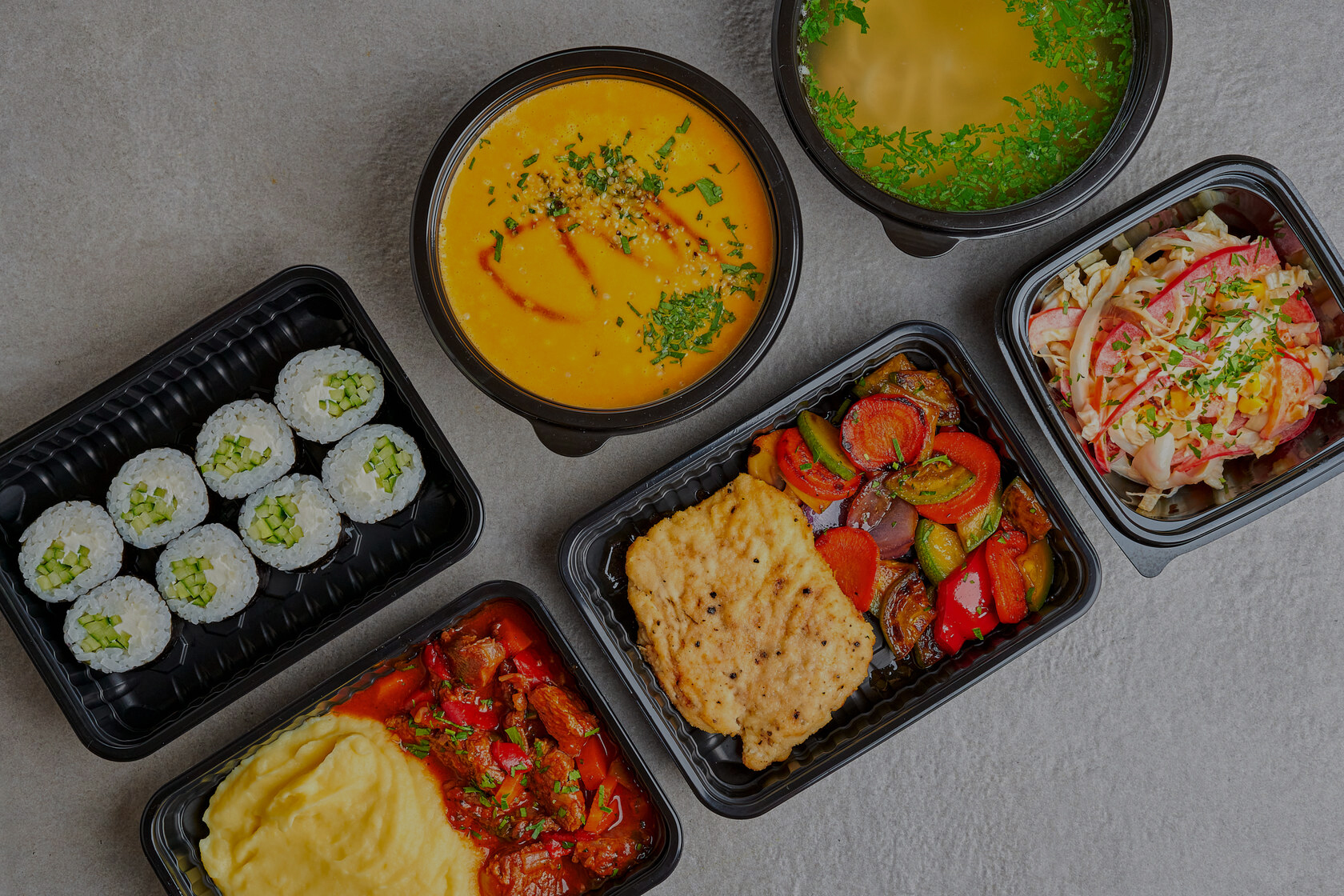
In cafeterias, hospitals, catering halls and airline galleys, this tray is handled thousands of times a day by people who never think about it twice. That invisibility is not an accident. It is the outcome of decades of iteration toward a single goal: reliability without ceremony.
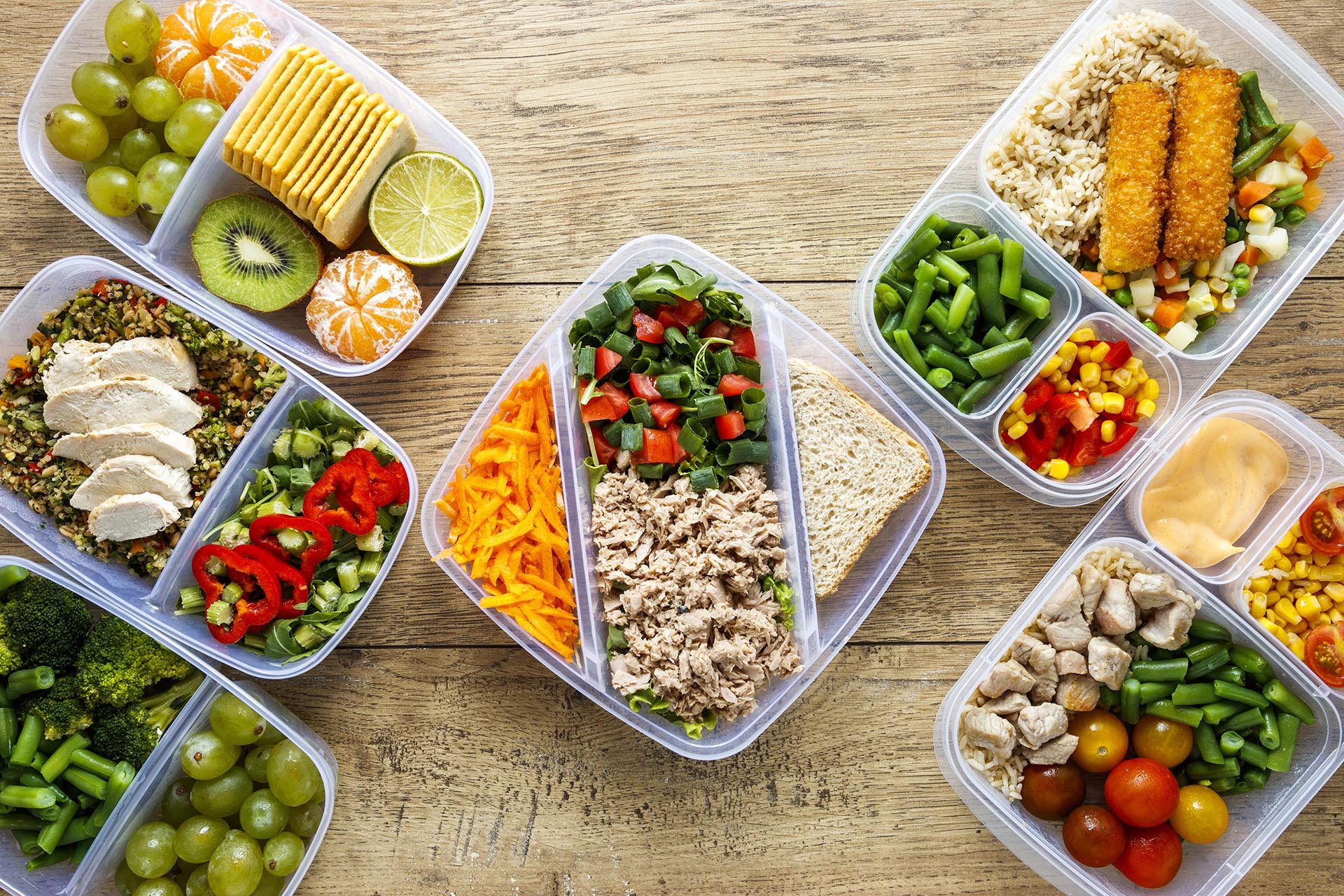
plastic food tray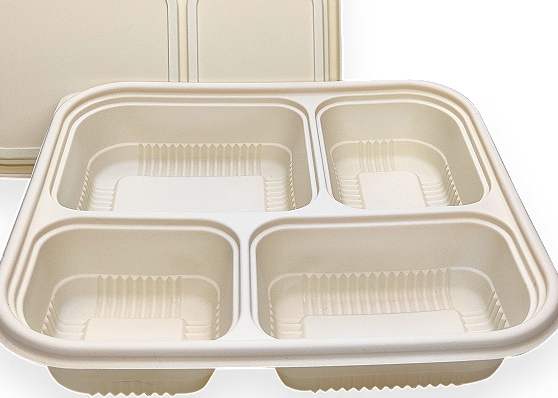
Why Material Choice Still Matters
Not every tray is built the same way, and the differences show up exactly where they matter most — under stress, under heat, and under repeated washing. The comparison below outlines how three common materials behave over a typical service lifecycle.
| Material | Weight | Wash Cycles Before Wear | Stain Resistance |
| Plastic Food Tray | Light | 2,000+ | High |
| Wooden Tray | Medium | 150–300 | Low |
| Metal Tray | Heavy | 1,500+ | Medium |
The numbers tell a modest but decisive story: plastic outperforms almost every alternative in longevity relative to cost, which is precisely why it remains the default choice in high-volume environments.
Weight as a Design Language
Weight is rarely discussed as an aesthetic quality, but in tableware it functions almost like typography — it sets the rhythm of an interaction. A tray that is too heavy slows down service. One that is too light feels unstable in the hand. The plastic food tray occupies a narrow, well-calibrated middle ground, light enough to carry stacked in multiples of ten, rigid enough not to flex under a full tray of dishware.
Good industrial design is not the part you notice. It's the part that lets everything else happen without friction.
This principle explains why so many redesign attempts over the years have failed to displace the standard tray form. Novelty adds friction. Familiarity removes it.
Where the Material Excels — and Where It Doesn't
No material is universally correct, and honest design writing should say so plainly.
- Excellent resistance to oils, sauces, and acidic staining agents
- Consistent performance across high-humidity, high-heat kitchen environments
- Low cost per unit, enabling replacement rather than repair
- Limited biodegradability compared to paper-based alternatives
- Reduced tactile warmth compared to natural materials such as wood or bamboo
The Disposable Category: A Different Set of Rules
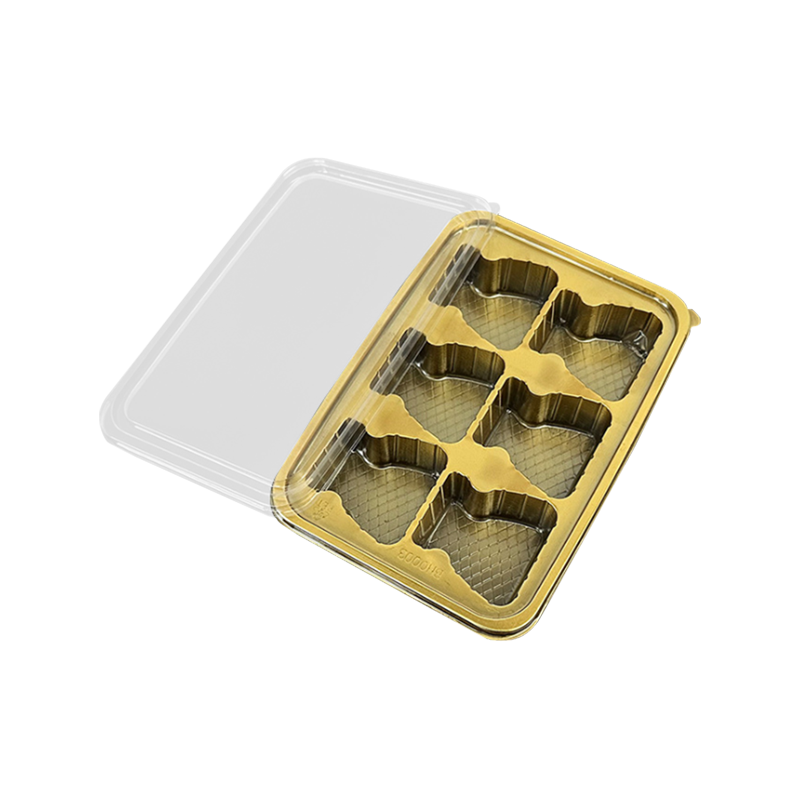
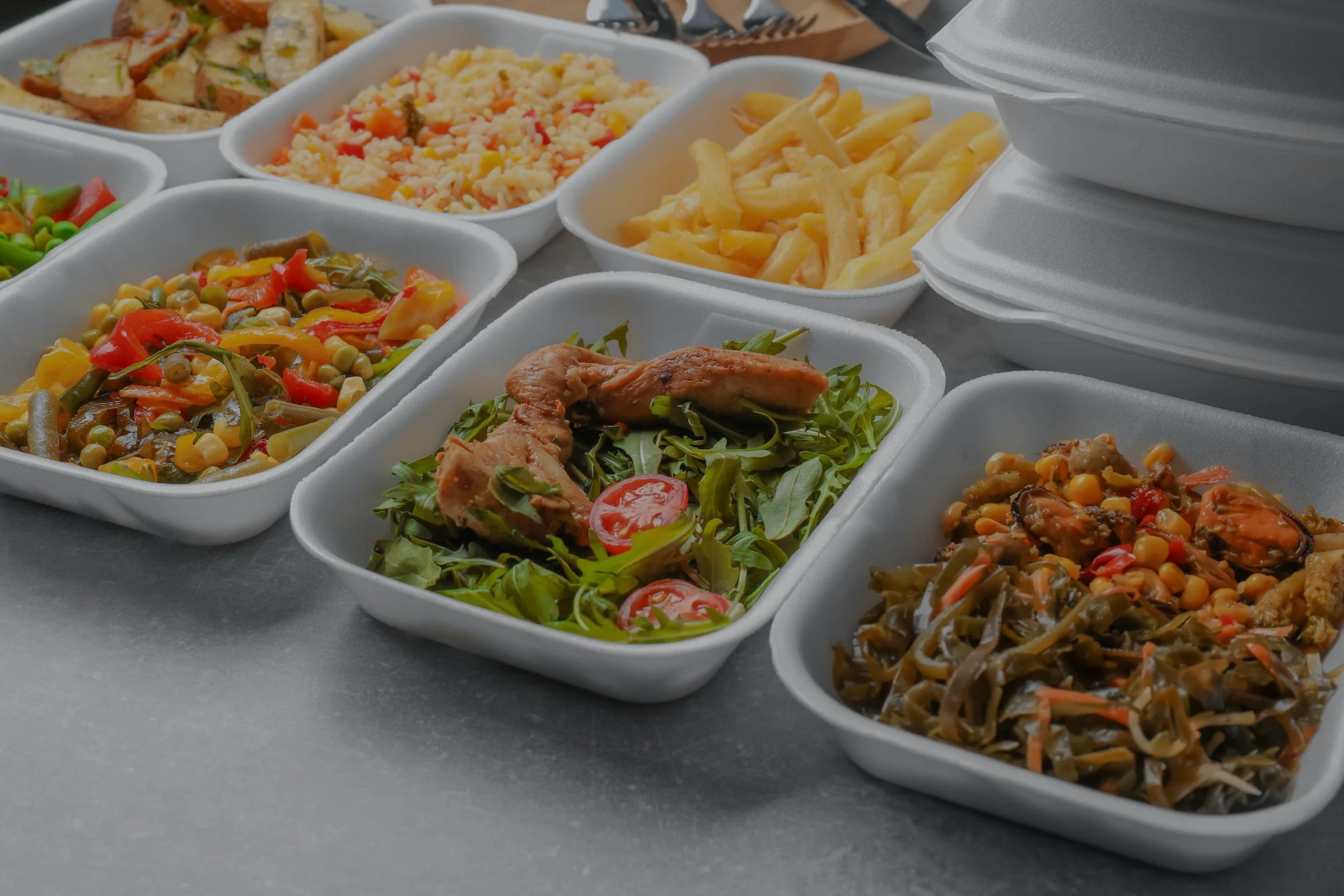
Reusable trays are only half of the story. In catering, events, and takeout service, disposable plastic trays and disposable serving platters follow an entirely different design logic — optimized not for years of use but for a single flawless appearance. Here, the priority shifts toward visual presentation: a clean surface, a rigid edge that won't buckle under sauce or moisture, and a form that photographs well under service lighting.
Closing Thought
The plastic food tray will never be a celebrated object. It has no signature, no silhouette people recognize on sight, no cultural moment attached to it. But that is exactly its achievement. In a category crowded with materials trying to prove themselves — through texture, through story, through sustainability claims — the plastic tray simply performs, quietly, meal after meal, for years longer than almost anything else on the table.





- The company requires rigorous, using a high starting point, trustworthy, quality, and actively develop and innovate, the pursuit of excellence route!
CONTACT US
- Tel: +86-15026677788
- E-mail: [email protected]
- Add: No.11 Huafeng Road, Anhua Community, Anhua Town, Zhuji City, Shaoxing, Zhejiang, China
GET A QUOTE
Copyright @ Donghang Polymer Material Technology Co., Ltd. All Rights Reserved.
 Custom PVC Blister Plastic Boxes Manufacturers
